





Several rehabilitation centers for people with disabilities in Oman’s Al Dakhiliyah Governorate concluded the 2025–2026 academic and rehabilitation year with ceremonies recognizing beneficiaries, partners and supporters. The year-end events in Nizwa, Bahla and Adam highlighted vocational training, inclusive education and community participation as key outcomes, officials said. The gatherings underscored coordinated efforts by centers and the Ministry of Social Development to expand pathways to employment and social inclusion.
Rehabilitation centers for people with disabilities mark year-end in Al Dakhiliyah
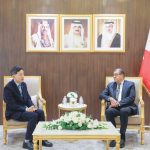
The three centers—operating in Nizwa, Bahla and Adam—held separate closing ceremonies attended by government officials, family members and community partners. In Nizwa, the celebration was hosted under the patronage of Dr. Abdullah bin Hamoud Al-Harthi, Undersecretary for Persons with Disabilities at the Ministry of Social Development, while similar events in Bahla and Adam were led by local wilayat representatives, officials said. The ceremonies presented the centers’ annual achievements and reinforced plans for the coming year.
Program highlights: vocational training, therapies and creative showcases
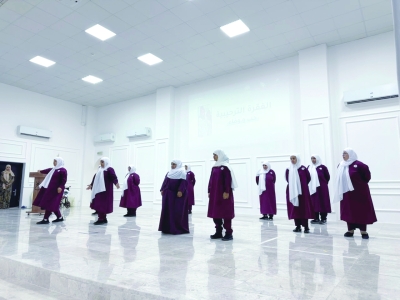
Center directors outlined a busy year of individualized therapies, classroom instruction and hands-on workshops designed to develop life and occupational skills. Staff described initiatives that included speech and occupational therapy, adaptive learning techniques and practical workshops where participants produced crafts and products for local markets. Furthermore, each center staged creative performances and visual presentations documenting students’ progress and the stages of their rehabilitation journeys.
These activities align with the centers’ stated goal of combining inclusive education with vocational training to prepare beneficiaries for both community life and economic participation. Officials emphasized that practical workshops and small-scale production units serve dual purposes: they teach technical skills and provide opportunities to demonstrate readiness for paid work.
Success stories and social integration outcomes
The events featured several success stories that illustrated measurable outcomes of the year’s programs. Organizers showcased graduates who moved into employment after completing targeted vocational courses, demonstrating how structured rehabilitation can lead to greater independence. According to center reports and family accounts shared during the ceremonies, beneficiaries gained improved mobility, communication skills and confidence that supported job placement or community engagement.
Presentations stressed that social integration is more than job placement; it includes family support, community awareness and ongoing follow-up services. Administrators noted partnerships with local employers and civil society groups as essential components of sustainable inclusion, adding that stigma reduction and awareness campaigns remain priorities.
Partnerships, community support and recognition of donors
Each ceremony included formal recognition of partner institutions, donors and volunteers who helped deliver programs and fund resources. In Bahla, the event was held at a local women’s association hall and was attended by the Wali of Bahla, Sheikh Saeed bin Ali Al Nuaimi, who acknowledged the role of community stakeholders in expanding inclusive services. Meanwhile in Adam, the Wali and social development office representatives highlighted the importance of local coordination in scaling up support services.
Organizers said public-private collaboration enabled centers to maintain small production workshops, procure assistive devices and expand training modules. They also credited family engagement for reinforcing learning outcomes at home, noting that consistent caregiver involvement complements formal rehabilitation and supports long-term gains.
Staff development and program improvement efforts
Administrators reported ongoing investments in staff training, curriculum adaptation and facility upgrades to respond to diverse needs. Center managers described efforts to align curricula with recognized vocational standards and incorporate person-centered planning into individualized service plans. Additionally, centers are evaluating assistive technology options and remote follow-up strategies to strengthen continuity of care, officials said.
Funding and resource constraints were acknowledged as challenges. Center leaders indicated plans to pursue additional partnerships and targeted grants to expand program capacity. They also emphasized monitoring and evaluation as critical for demonstrating impact and informing future resource allocation.
Inclusive education and family engagement
Officials highlighted inclusive education as a cross-cutting priority, noting that integrating children with disabilities into mainstream settings—where appropriate—remains a long-term objective. Workshops for parents focused on adaptive strategies, behavioral support and ways to reinforce skills outside the center environment. These measures aim to create consistent learning environments and strengthen transitions between services and home or school settings.
Implications for policy and local development
The year-end ceremonies illustrated how rehabilitation centers for people with disabilities contribute to broader social and economic development goals in Al Dakhiliyah. By providing vocational training and life skills, centers help widen the pool of potential employees and reduce long-term dependency, officials said. The Ministry of Social Development’s involvement signals ongoing policy emphasis on disability inclusion and coordinated service delivery across governorates.
Observers noted that scaling successful models will require sustained funding, workforce development and enhanced employer engagement. Moreover, mainstreaming inclusive practices into education and local economic planning can amplify benefits at the community level.
Looking ahead: priorities and next steps
Center managers and ministry representatives outlined next steps that include expanding vocational offerings, strengthening follow-up services and increasing outreach to employers and community groups. Plans also call for continued staff development and exploration of assistive technologies to boost beneficiary independence. Officials said the centers expect to publish progress reports and host stakeholder consultations in the coming months to refine program priorities and identify funding needs.
Readers should watch for announced training schedules, partnership initiatives and forthcoming community engagement campaigns as the centers implement their 2026–2027 plans. Continued collaboration among government entities, families and the private sector will determine how rapidly beneficiaries can transition from training to sustainable employment and fuller social participation.