








Strengthening Oman-China Relations Through Historical Partnerships
The recent visit of His Majesty Sultan Haitham bin Tariq to the People’s Republic of China marks a significant step in reinforcing the long-standing relations between Oman and China, anchored in a rich historical and cultural context. This visit not only emphasizes potential opportunities for diplomatic and strategic cooperation but also highlights a deep-rooted economic partnership that has flourished for centuries.
Historical Roots of Trade and Cultural Exchange
A deep dive into the historical economic and cultural ties between the Arabian Peninsula, particularly Oman, and China reveals the pivotal role played by Oman’s ancient ports. Notable ports like Al-Blaid and Mirbat, along with the northern ports of Sohar and Muscat, served as crucial junctions that facilitated global trade networks by connecting the famous Incense Route and the Maritime Silk Road.
Sources from ancient Chinese texts indicate that Omani traders and sailors reached the southern shores of China between 203 BC and 97 AD. The advent of Islam led to a significant escalation in formal political and diplomatic ties, supported by the historical accounts detailing the first official diplomatic mission from the Arabian Peninsula to the Chinese court in 651 AD during the caliphate of Uthman ibn Affan. This was soon followed by a series of formal exchanges and visits between the two regions.
The geographic and economic realities of Oman and China necessitated mutual cooperation. While China was known for its luxury goods, including fine silk and ceramics, Oman provided essential commodities such as Omani frankincense, myrrh, and Arabian horses. This vibrant trade relationship fostered robust economic exchanges, evidenced by the extensive historical records maintained by Chinese dynasties over centuries.
The Role of Oman in Maritime Trade
Historically, Oman has served as a strategic hub in global shipping routes, bridging the Arab world with East Asia, particularly China. Historical records show that the foundations of this bilateral relationship were laid as early as the second half of the first Islamic century, particularly during the Tang dynasty. Omani merchants received high esteem from Chinese authorities, which encouraged fair trade practices and protected them from excessive taxation.
Furthermore, Omani ports were not merely local consumption points but evolved into vital commercial centers where ships from China and East Africa would stop for resupply and trade before continuing their voyages. Arabic geographers highlighted Oman’s status as a primary port dealing with goods from Siraf, noting its pivotal role in facilitating trade with China.
Frankincense: A Milestone in Oman-China Trade Relations
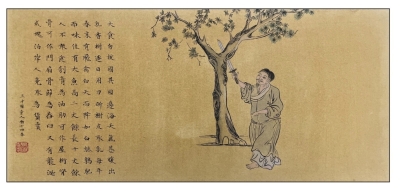
Omani frankincense transcended being just another commercial product; it emerged as a sacred element deeply embedded in Chinese cultural and medicinal practices. The Chinese referred to frankincense arriving from Oman using various terms, depicting its revered status in traditional Chinese medicine. Since the Han dynasty, Omani frankincense became a key ingredient in Chinese pharmaceuticals, known for boosting circulation and addressing various ailments.
The profound significance of frankincense is evidenced by its use in temple rituals and funerary practices, with archaeological discoveries suggesting its presence in ancient Chinese temples. The meticulous categorization of frankincense by Chinese traders underscores its strategic importance, reflecting the high value placed on this Omani product in both commercial and cultural contexts.
The Golden Era of Diplomatic Relations
The relationship between Oman and China flourished during the 15th century, an era marked by remarkable diplomatic exchanges. Under the Ming dynasty, Emperor Yongle commissioned the famous Muslim admiral Zheng He to lead expeditions that paved the way for new diplomatic ties. Zheng He made two documented visits to Oman during his maritime voyages, which not only solidified trade links but also facilitated cultural exchanges.
These expeditions symbolized the apex of Omani-China relations, characterized by mutual respect and economic interdependence, as documented in Ming records that illustrated life and commerce in Oman extensively. The archaeological findings in Al-Blaid further corroborate the vibrant cross-cultural interactions that occurred during this period, featuring Chinese porcelain that indicates upsurge in bilateral trade.
The Future of Oman-China Relations
The deep historical ties that began at Omani shores and reached imperial courts in Beijing have evolved into a modern partnership, guided by a forward-looking vision as expressed by Sultan Haitham bin Tariq. The cooperation not only centers around economic ties but also aligns with China’s Belt and Road Initiative, paired with Oman’s “Vision 2040.” Today’s strategic collaboration focuses on renewable energy, advanced logistics, and modern technologies, reinforcing the historical significance of trade and cultural exchange.
This diplomatic visit symbolizes Oman’s commitment to establishing strong ties with global partners, building on a heritage that champions trade as a vital instrument for sustainable development and shared prosperity. Observers can anticipate further enhancement in bilateral ties as businesses and governments explore new avenues for collaboration.