





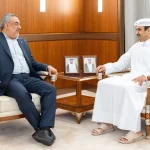




Bahrain Space Agency Participates in UN-SPIDER Conference on Disaster Management
The Bahrain Space Agency participated in the inaugural regional support office conference for the United Nations Space-Based Information for Disaster Management and Emergency Response (UN-SPIDER). The event focused on understanding risks before disaster strikes and the role of Earth observation and geospatial intelligence. Organized by the African Association for Geospatial Development (AGEOS), the conference aimed to enhance the use of spatial data in disaster management and response.
Key Discussions and Presentations
The conference highlighted advancements in multi-risk early warning systems and shifted the focus from predicting risks to forecasting their impacts. Experts showcased successful experiences from global space agencies leveraging Earth observation data to monitor floods and droughts, thereby aiding decision-makers effectively. This exchange of knowledge is essential for enhancing preparedness and response mechanisms globally.
Importance of Early Risk Understanding
During the conference, Ruya Rashid Bubashit, head of the Satellite Data and Image Analysis Laboratory, emphasized the increasing challenges posed by climate change on both international and regional levels. She noted that extreme weather patterns are becoming more frequent and intense, as evidenced by changes in rainfall patterns and rising sea levels over the past few years. These shifts underline the urgent need for enhanced preparedness and adaptation strategies.
Moreover, Bubashit stated, “There is a crucial need to transition from disaster response to proactive measures through early warning systems. The Kingdom of Bahrain and neighboring countries can benefit from global experiences to tackle the effects and challenges of climate change more effectively.”
Strategic Use of Satellite Data
The Bahrain Space Agency emphasizes the significance of building national capabilities in space science and its applications. By utilizing space data effectively, Bahrain aims to contribute to sustainable development and environmental protection. Furthermore, engaging in international forums allows Bahrain to exchange expertise and foster partnerships that enhance the country’s readiness and resource sustainability.
Contributions to Global Initiatives
Through its active participation in global discussions, the Bahrain Space Agency supports the implementation of the Sendai Framework for Disaster Risk Reduction 2015–2030. This comprehensive framework aims to minimize disaster risks and enhance resilience through strategic planning and international collaboration.
Future Directions and Expectations
Looking ahead, continued collaboration between regional and international organizations will be critical in combating the impacts of climate change. The next steps involve strengthening existing systems and promoting investments in technologies that facilitate better monitoring and response strategies. The outcomes from this conference will pave the way for more informed decision-making processes in disaster risk management within Bahrain and beyond.
As the climate crisis unfolds, the importance of effective disaster management strategies becomes increasingly evident. Stakeholders are encouraged to remain vigilant and proactive, leveraging data and technological advancements to foster resilience in affected communities. The Bahrain Space Agency will continue to play an integral role in this global effort, driving initiatives that utilize space-based solutions for sustainable development and disaster preparedness.