









The Role of Oman’s Foreign Affairs in Regional Stability
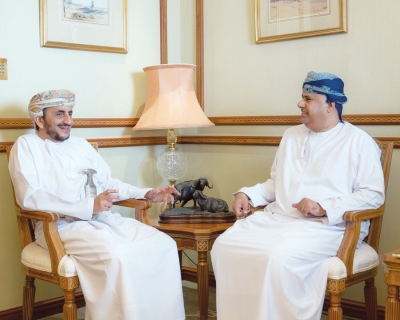
The political landscape in the Middle East is perpetually evolving, with various nations navigating through conflicts and alliances. In this context, the Omani government continues to uphold its commitment to peace and diplomacy, as expressed by His Excellency Sheikh Khalifa bin Ali Al-Harthi, Undersecretary for Political Affairs of Oman. This acknowledgment resonates as Oman celebrates its national day, showcasing its long-standing tradition of neutrality and constructive dialogue.
Muscat remains a focal point for international diplomats and mediators, with the undersecretary often meeting with envoys dedicated to conflict resolution, particularly concerning the ongoing situation in Yemen. As Oman navigates between heightened tensions in the Gulf and burgeoning diplomatic ties with various nations, it raises important questions about the principles guiding Omani foreign policy.
The Essence of Omani Neutrality
Throughout history, Oman’s foreign policy has been characterized by a steadfast commitment to peaceful coexistence and diplomatic solutions. A core tenet of Omani diplomacy is the pursuit of security and stability, both regionally and globally. Al-Harthi emphasized that Oman’s neutrality is not an isolated stance but a calculated approach to foster dialogue and mutual understanding among conflicting parties.
This perspective is deeply rooted in Oman’s geographic and cultural realities. The country’s connections with diverse civilizations have cultivated an inherent openness and acceptance of different cultures, shaping the Omani worldview towards peaceful interaction. The undersecretary noted that Omani identity is not diminished by engagement with others; rather, it represents a commitment to empathy and constructive discourse.
Challenges and Opportunities for Omani Diplomacy
As Saudi Arabia grapples with shifting regional dynamics, the implications for Omani foreign policy are significant. Oman is determined to maintain its unique position as a mediator, focusing on encouraging dialogue rather than taking sides in conflicts. The pragmatic approach employed by Oman allows it to function as a facilitator, proposing solutions while remaining neutral.
Moreover, with recent initiatives such as opening embassies from various nations in Muscat, including Vietnam and Hungary, Oman appears poised to amplify its role on the international stage. These developments mark a growing recognition of Oman’s valuable contributions to regional stability and diplomacy. Encouragingly, the undersecretary mentioned that Oman’s proactive stance does not equate to isolation; rather, it signifies an ongoing effort to address regional issues with informed engagement.
Future Directions for Oman in International Relations
Highlighting the importance of collaboration, Al-Harthi pointed out that economic diplomacy is integral to Oman’s strategy moving forward. The government’s focus on diversification of its economic partnerships suggests an intent to leverage its unique diplomatic position. This is particularly relevant as Oman aims to attract foreign investment and enhance its developmental objectives.
Additionally, as Oman seeks to strengthen ties with nations, both in the East and West, it is crucial to balance these relationships carefully. This ongoing process reflects not only a commitment to Omani interests but also a broader goal of fostering international cooperation. Ultimately, the impact of Oman’s diplomatic efforts manifests in improved security and stability, which directly benefits its citizens.
The Importance of Collective Arab Identity
Despite ongoing regional challenges, Oman’s leadership remains hopeful about the future of the Arab world. Al-Harthi expressed that while the Arab nations face numerous difficulties, confidence should not wane. Instead, the focus should be on fostering unity, which would enhance the effectiveness of regional institutions like the Arab League. A unified approach among Arab states is essential for addressing fundamental challenges and advancing collective interests.
In conclusion, Oman’s foreign policy continues to be grounded in principles of neutrality, dialogue, and understanding. As the region faces complex challenges, Oman is set to play a pivotal role in shaping diplomatic efforts aimed at fostering peace and cooperation. Observers should watch how Oman balances its evolving relationships and the potential impact on its role as a mediator in the coming years.