






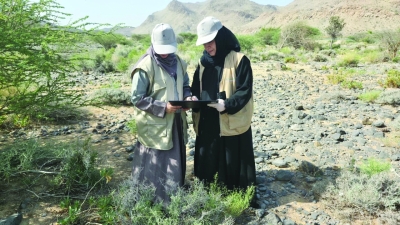

Wild Plant Surveys to Enhance Biodiversity in Al Dakhiliyah Governorate
The Environment Directorate of Al Dakhiliyah Governorate has recently conducted a series of field surveys focused on assessing the state of plant cover and wild shrubs within various mountainous and valley environments. This initiative aims to document floral diversity while monitoring the condition of ancient trees and native plants, ultimately supporting efforts for their preservation and sustainability.
During these surveys, researchers evaluated the distribution and density of plant species in rugged, mountainous, and rocky areas, alongside assessing the general condition of ancient trees and indigenous vegetation. The surveys have also focused on the recovery and adaptation of these plants to climatic changes and natural factors affecting their growth.
Importance of Vegetation Surveys for Environmental Sustainability
These extensive surveys play a crucial role in providing field data regarding the plant wealth within the governorate. Such information is essential for identifying rare or endangered species, which will assist in formulating appropriate conservation strategies to protect and propagate them. Furthermore, this initiative supports the preservation of natural habitats and promotes the sustainability of vegetation.
The ongoing efforts align with the commitment to conserve natural resources and biodiversity, enhancing practices related to environmental protection. According to officials, these initiatives complement the broader goals of environmental sustainability and bolster the national initiative aimed at planting ten million trees.
Field Data Collection and Its Impact on Local Ecosystems
The methodical collection of field data regarding the plant species in Al Dakhiliyah is vital for understanding local ecosystems. By assessing the overall health and diversity of plants, researchers can address potential conservation issues affected by climatic changes. The conditions of native trees and their resilience to environmental variables are crucial indicators of ecosystem stability.
This ongoing work not only contributes to the understanding of local botanical diversity but also helps raise awareness about the importance of conserving native species. Additionally, it underscores the role that healthy vegetation plays in supporting local wildlife and maintaining ecological balance.
Future Initiatives for Plant Conservation
Looking ahead, the Environment Directorate plans to use the data collected from these surveys to inform future conservation efforts. Authorities intend to develop action plans that prioritize the protection of threatened species and enhance habitat quality for existing flora and fauna. Such initiatives will likely involve collaboration with local communities to promote environmentally responsible practices.
As these projects advance, residents and stakeholders can expect to see ongoing updates about preservation efforts, alongside educational programs focused on the importance of maintaining biodiversity. The commitment to preserving natural habitats in Al Dakhiliyah serves to enhance both ecological health and community engagement in sustainability practices.