





Strategic Partnership for Sustainability in Education
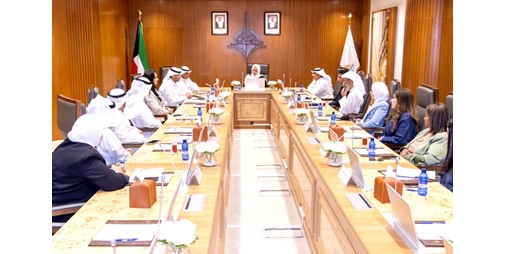
The Minister of State for Development and Sustainability, Dr. Reem Al-Failij, and the Director General of the Public Authority for Applied Education and Training, Dr. Hassan Al-Fajam, convened a coordination meeting to discuss a strategic partnership aimed at integrating sustainability as a measurable institutional practice within the applied education and training system. This collaboration seeks to enhance sustainable practices across educational institutions.
According to a press statement from the institution, the meeting addressed the implementation of government environmental sustainability reporting systems in the authority’s colleges, institutes, and facilities. This includes measuring key indicators related to energy, water, waste, and resource consumption, while establishing a documented database to support decision-making and identify areas for improvement.
Integrating Sustainability into Educational Curriculum
During the meeting, the parties reviewed existing educational outcomes with the aim of incorporating sustainability standards into the curriculum. There was also a focus on directing some of the research and final projects towards national priorities and initiatives coordinated with the Ministry of State for Development and Sustainability. This step is essential for fostering a generation of professionals equipped to address sustainability challenges.
The discussion also encompassed phased approaches to transition the authority’s facilities into models of sustainability. This includes enhancing energy and water efficiency, waste segregation, and measuring environmental impact. A sustainability report will be prepared to assess institutional performance, which aligns with global sustainability practices.
Community Engagement and Future Initiatives
Officials emphasized the importance of community service programs, continuing education, and sustainability ambassador initiatives during the meeting. These initiatives aim to cultivate a culture of sustainability within the educational framework and empower students to engage in voluntary projects and green entrepreneurship.
Additionally, the partnership will focus on developing digital monitoring indicators and dashboards to support the authority’s future green building projects. This organized framework will translate the discussed pathways into clear, measurable initiatives and shared metrics for tracking progress, impact assessment, and ecological contribution.
Looking Ahead: Key Steps and Implications
As the partnership progresses, the emphasis will remain on the collective objectives that align with sustainability and educational standards. Stakeholders will be looking for updates on the integration of sustainability practices in the curricula and the anticipated impacts on both academic outcomes and environmental responsibility.
The next expected steps involve the formulation of specific timelines for project implementations and the establishment of collaborative frameworks that will enable accountability and transparency in the partnership’s endeavors. Observers will be keen to see how these initiatives shape the future of applied education and contribute to the broader goals of sustainability in the region.