









Empowering Women’s Leadership in Decision-Making
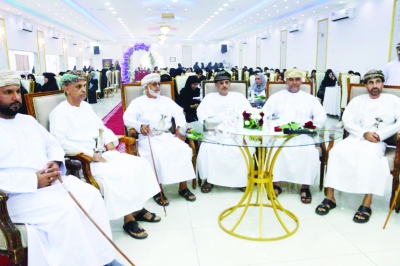
The Department of Social Development in Dakhiliyah, represented by the Family Development Section, recently organized a dialogue session focused on “Women’s Leadership Empowerment in Decision-Making.” This event took place at the Al-Jafeer Hall and was attended by the esteemed Muslim bin Ahmad Al-Maashani, the Wali of Dakhiliyah. The gathering highlighted the importance of women’s roles in sustainable development.
With a notable presence of female leaders and representatives from various government and private institutions, the event aimed to discuss ways to enhance women’s leadership presence and empower them effectively in decision-making. The session also showcased women’s contributions to family and community development, while exploring successful experiences, challenges, and opportunities for their skill enhancement.
Highlights of the Leadership Empowerment Session
The program included an informational video presentation titled “Leadership and Impact of Omani Women,” which set the tone for the participatory dialogue session. This segment created an opportunity for attendees to share their opinions, experiences, and visions to support women’s empowerment. Participants underscored the importance of collaborative efforts between different sectors to strengthen community partnership and empower national competencies.
Officials emphasized that the leadership empowerment of women is an investment in their capabilities, representing a significant step toward building a cohesive family and a progressive society. These discussions align well with the targets outlined in Oman Vision 2040, which aims to advance the nation towards sustainable growth.
Challenges and Opportunities for Women’s Leadership
Throughout the session, attendees discussed the various challenges women face in leadership roles, including societal norms and institutional barriers. However, they also identified numerous opportunities for growth and development, such as mentorship programs, leadership training, and increased visibility in decision-making processes.
This dialogue was an essential platform for recognizing women’s potential and acknowledging their vital role in driving social change. By focusing on real-life experiences and constructive feedback, the session provided a roadmap for future initiatives aimed at improving women’s participation in leadership.
Conclusion and Future Directions
In conclusion, the event successfully underscored the importance of women’s leadership in decision-making and community development. The commitment displayed by various stakeholders to foster women’s empowerment is promising. As highlighted during the session, the next steps will focus on implementing the strategies discussed, ensuring that women’s voices continue to be amplified in decision-making arenas.
Future activities may include follow-up workshops, collaborative projects, and ongoing advocacy to monitor progress and effectiveness. Observers are encouraged to watch for further developments as the initiative aligns with the broader objectives of Oman Vision 2040, aiming to create an inclusive society where everyone can thrive.