








What Happens When Plastic Contacts Water? Study Reveals Answers
A recent study explores the interaction between plastic and water, showing significant implications for environmental health. Researchers conducted experiments to analyze how various types of plastics behave when they come into contact with water. The findings provide critical insights, especially in the context of increasing pollution levels and plastic waste worldwide.
Understanding Plastic Pollution
Plastic pollution has emerged as a global concern, affecting marine life and ecosystems. According to the Environmental Protection Agency, millions of tons of plastic end up in oceans each year, contributing to habitat destruction and threatening countless species. This latest study sheds light on a key aspect of this issue: what happens when plastic materials touch water.
The research focuses on commonly used plastics, including polyethylene and polypropylene. These materials are frequently found in packaging, single-use items, and various consumer products. By observing the interaction of these plastics with seawater, scientists aimed to assess their stability and the potential release of harmful chemicals.
The Study’s Findings
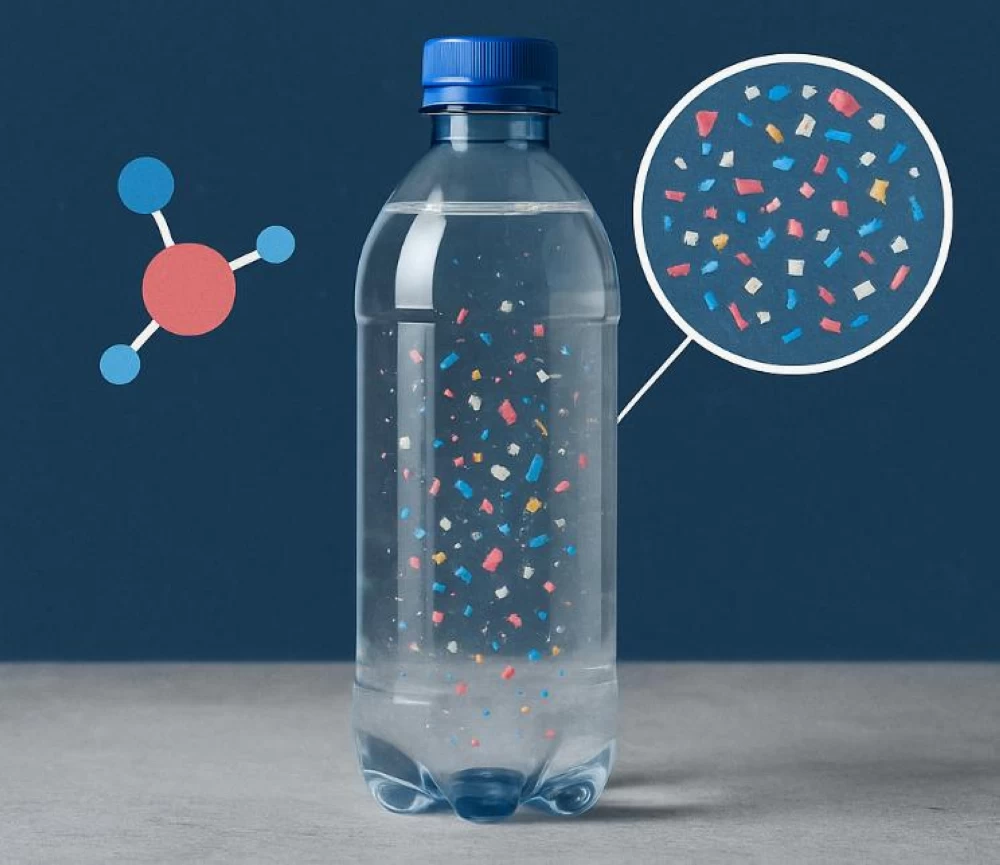
The study revealed that when plastics contact water, they can undergo chemical changes. These changes potentially lead to the leaching of microplastics and toxic substances into the surrounding environment. Researchers discovered that certain types of plastics break down more readily in water, releasing microplastics that can be ingested by marine organisms.
This breakdown process was most pronounced in warmer water conditions, simulating scenarios in tropical regions where plastic pollution is especially rampant. Furthermore, the study indicates that exposure to UV light accelerates these degradation processes, contributing to the problem when plastics are exposed to sunlight.
Environmental Implications
Understanding the interaction between plastic and water is vital for developing strategies to mitigate plastic pollution. The potential for toxic leaching raises concerns about marine food chains and ecosystem balance. Marine creatures, including fish and shellfish, may ingest microplastics, leading to health issues in wildlife and, ultimately, in humans who consume these seafood products.
Furthermore, the study’s findings emphasize the necessity for improved recycling processes and the need for alternative biodegradable materials. As governments and organizations work to address plastic waste, this research can inform policy decisions and consumer behavior.
Future Directions
Researchers indicate that further studies are needed to understand the long-term effects of plastic contaminants in marine environments. Monitoring plastic waste management and promoting alternative materials will be essential efforts moving forward. Additionally, consumer education about the importance of reducing plastic usage will play a critical role in addressing this environmental crisis.
As awareness of plastic pollution continues to grow, the focus will likely shift toward innovative solutions aimed at reducing plastic production and improving waste management systems. Observers suggest that keeping an eye on legislative developments and technological advancements in waste reduction will be crucial in the coming years.