





Kuwaiti Fund Signs MoU with Turkish Investment Fund
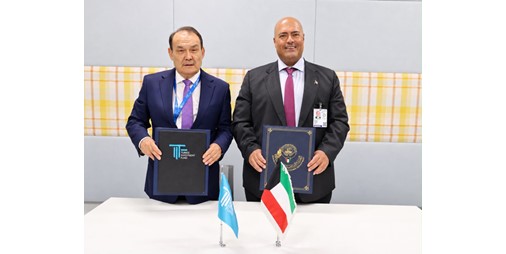
The Kuwait Fund for Arab Economic Development has signed a memorandum of understanding (MoU) with the Turkish Investment Fund (Turkiye Fund) to enhance collaboration between both institutions. This agreement was signed by Rashid Al-Bader, the acting director general of the Kuwait Fund, and Baghdad Amerief, the president of the Turkish Investment Fund, during the annual meetings of the World Bank Group and the International Monetary Fund in Bangkok, Thailand, in 2026.
Goals of the MoU
The MoU aims to strengthen cooperation by coordinating activities and exchanging technical expertise in alignment with the policies and priorities of both organizations. Al-Bader indicated that the areas of collaboration will involve several activities aligned with the operational policies and strategic objectives of both institutions, particularly in countries where both parties are active.
Among the key goals is the early identification of projects that could receive support from both organizations through financing or the provision of technical assistance, depending on the established policies and operational methods of each entity.
Areas of Cooperation
Furthermore, the collaboration will entail periodic consultations to align operations and activities in areas conducive to such coordination. It will also involve the exchange of information, knowledge, and best practices as well as leveraging the available resources and capacities of both sides.
This memorandum reflects the Kuwait Fund’s commitment to expanding its international partnerships and enhancing collaboration with development institutions. Such efforts aim to facilitate the exchange of experiences and explore new opportunities for cooperation in financing priority developmental projects.
Implications for Future Development Projects
The signing of the MoU is seen as a significant step towards fostering closer ties between the two development funds. By working together, they can enhance their impact on regional projects that deliver economic benefits and address developmental needs in targeted areas. This partnership may also pave the way for new funding routes and innovative solutions for complex challenges faced in various developmental sectors.
Looking ahead, observers will be keen to see how this collaboration unfolds and what specific projects might be prioritized in the near future. The focus on technical assistance alongside financial support signifies a holistic approach to development, which is crucial in addressing the unique challenges of each project.
In conclusion, the collaboration between the Kuwait Fund and the Turkish Investment Fund underscores a commitment to fostering development through structured partnerships. As both organizations draft detailed plans for joint initiatives, stakeholders will be watching closely for updates on upcoming projects and collaborative efforts that aim to boost regional development and promote sustainable economic growth.