







Humanitarian Cooperation Between Kuwait and Egypt
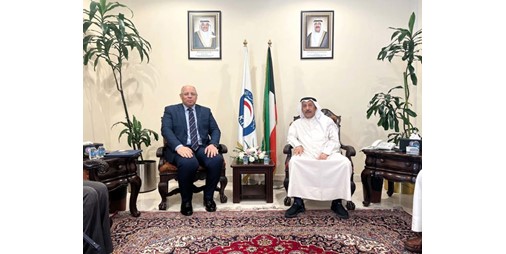
The recent discussions between Mohammed Aboul Wafa, the Egyptian Ambassador to Kuwait, and Khaled Al-Mughames, the Chairman of the Kuwait Red Crescent Society, highlight the longstanding humanitarian cooperation between Kuwait and Egypt. This collaboration underlines the deep-rooted historical and fraternal ties between the two nations, aimed at enhancing crisis response efforts and supporting affected communities.
Significant Humanitarian Initiatives
According to Ambassador Aboul Wafa, after his meeting with Al-Mughames, Kuwait plays a leading humanitarian role by providing vital aid to communities impacted by various crises around the world. He commended the efforts of the Kuwait Red Crescent Society in translating Kuwait’s humanitarian positions into tangible field initiatives. Their work is crucial in delivering assistance where it is most needed, particularly in regions facing severe humanitarian challenges.
The cooperation between the Egyptian Red Crescent and the Kuwait Red Crescent Society addresses multiple humanitarian issues, especially the provision of relief to Gaza in areas such as health, food, and other essential services. One key initiative includes the establishment of a field hospital in Palestine, an effort that reflects the ongoing commitment of both countries to support those in crisis.
Strengthening Partnerships for Effective Response
Ambassador Aboul Wafa emphasized that the Egyptian Red Crescent has extensive logistical and technical capabilities, along with field experience in crisis management. This expertise is essential for enhancing collaborative efficiency with the Kuwait Red Crescent Society and developing joint response mechanisms. The recent meeting focused on future collaborations in Gaza and other areas afflicted by humanitarian crises, reinforcing partnerships that can lead to effective relief efforts.
Kuwait’s Commitment to Humanitarian Aid
Khaled Al-Mughames, in his statements to the press, affirmed the solid foundation of Kuwait-Egypt relations as a model of cooperation and integration across various fields, particularly in humanitarian and relief efforts. He acknowledged the importance of maintaining communication with Egyptian humanitarian institutions and sharing expertise to maximize the impact of their initiatives.
Al-Mughames highlighted that the collaborative efforts between the Kuwaiti and Egyptian Red Crescent Societies are an extension of the brotherly relations between the two nations. The shared experiences, particularly in responding to urgent humanitarian needs in Gaza, demonstrate the necessity of coordinating humanitarian operations to expedite delivering aid to beneficiaries. He expressed the organization’s commitment to further developing partnerships with Egypt, opening new avenues for collaboration that aim to enhance coordinated responses and knowledge exchange within the humanitarian sector.
Future Directions for Humanitarian Collaboration
Looking ahead, the ongoing collaboration between Kuwait and Egypt represents a significant step toward addressing pressing humanitarian needs across the region. Reliable partnerships are crucial in elevating the effectiveness of humanitarian responses to crises. The initiatives currently in the pipeline signal the intent to fortify these partnerships further and refine operational strategies for future humanitarian efforts.
As both nations continue to work closely, the humanitarian community is watching with interest to see how the established frameworks will evolve, particularly in light of recurring crises in areas such as Gaza. The commitment to supporting and advocating for the vulnerable populations reflects not only the compassion intrinsic to both governments but also their shared vision for a stable and peaceful region.
Conclusion: A Unified Humanitarian Effort
The collaboration between Kuwait and Egypt illustrates a dedicated joint approach to humanitarian issues, resonating across borders. Community resilience in crisis management and the flow of resources are vital components that promise to enhance the lives of those in need. Observers will likely notice an increase in joint initiatives as both countries seek to address emerging challenges in the humanitarian landscape, culminating in more robust support systems for affected communities in the future.