






Nasser Scientific and Technical Center to Open New Branch in Muharraq
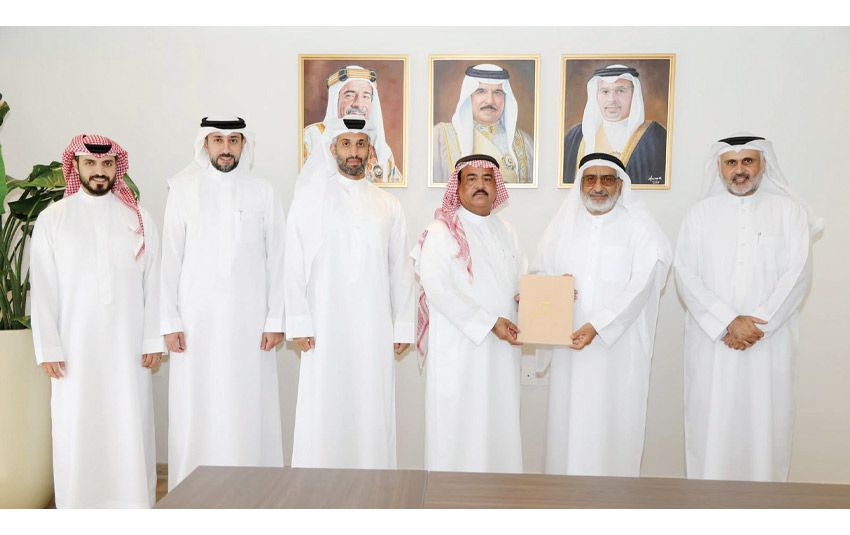
The Nasser Scientific and Technical Center will open a new branch in the Bahrain World Investment Area in Muharraq Governorate, following a cooperation agreement signed this week to fund and equip the facility. The expansion, backed by the Royal Humanitarian Foundation and the Al-Koheji Charitable Endowment, aims to provide an advanced learning environment and broaden access to technical training and vocational education for Bahraini youth.
The agreement, announced by officials involved in the partnership, outlines plans to develop specialized programs, including a new hospitality and hotel training track designed to match private-sector demand. Project partners say the initiative is intended to strengthen workforce readiness and support sustainable community development across the island kingdom.
Agreement Details and Partners
According to the memorandum, the Royal Humanitarian Foundation will provide strategic support and funding while Al-Koheji Charitable Endowment contributes financial resources and community outreach. Ibrahim Dalhan Al Dosari, acting secretary-general of the Royal Humanitarian Foundation, highlighted the project as consistent with national directives to improve education and skills development, noting continued interest from the Royal Court in expanding training opportunities.
Dr. Abdullah bin Nasser Al Nuaimi, chief executive of the Nasser Scientific and Technical Center, confirmed that the partnership reflects a public-private approach to enhance training infrastructure. Furthermore, Al-Koheji representatives emphasized their commitment to investing in programs that prepare young Bahrainis for the labor market and support long-term economic objectives.
Program Focus: Technical Training and Hospitality Development
The new branch will extend existing offerings at the Nasser Scientific and Technical Center by introducing updated curricula aligned with contemporary industry practices. In addition to established technical training courses, the center plans to launch a hospitality and hotel training program aimed at equipping students with practical skills in guest services, food and beverage operations, and front-of-house management.
Officials said the hospitality program will combine classroom instruction with hands-on apprenticeships and partnerships with local hotels and restaurants. This applied model seeks to strengthen employability immediately after completion and provide a pipeline of industry-ready talent for Bahrain’s tourism and hospitality sectors.
How the Expansion Will Work
Project planners intend to renovate and equip the new premises with modern training labs, simulation facilities and dedicated hospitality practice spaces. The Nasser Scientific and Technical Center will update course materials to reflect international best practices and introduce assessment methods that measure technical competence and workplace readiness.
Additionally, stakeholders reported that the branch will host short courses and certifications to accommodate working learners and recent school leavers, enhancing access to continuing education. Collaboration with private employers is expected to create internship slots and practical placements that reinforce classroom learning.
Expected Impact on Youth Skills Development
Officials say the initiative will expand access to vocational education for a larger number of students and young people across Muharraq Governorate and surrounding districts. The Nasser Scientific and Technical Center’s expansion is positioned to play a role in national workforce strategies by preparing graduates for sectors identified as priorities for economic diversification.
Furthermore, project backers highlight that increased capacity for technical training can reduce skills gaps in the labor market and support entrepreneurship by providing learners with practical competencies. The partnership model between the Royal Humanitarian Foundation and Al-Koheji Charitable Endowment is cited as an example of community collaboration that leverages philanthropic funding to deliver public benefit.
Quality Assurance and Alignment with National Goals
Officials maintain that program design will align with relevant accreditation and quality assurance frameworks to ensure graduates meet industry standards. The Nasser Scientific and Technical Center will consult employers and sector bodies when finalizing curricula, officials said, to ensure training outcomes match workplace expectations.
This alignment is consistent with broader education and labor policies that emphasize competency-based training, international comparability of qualifications, and strengthened links between education providers and employers.
What to Watch Next
Project partners indicated that detailed timelines and implementation milestones will be announced in subsequent statements, with work expected to begin following final approvals and site preparations. Observers should watch for announcements on enrollment dates, course schedules and partnership agreements with hospitality employers.
Meanwhile, stakeholders expect the project to roll out in phases, starting with prioritized programs and expanding to a full suite of technical training offerings over time. Officials said monitoring and evaluation mechanisms will be put in place to assess impact and inform future scaling.
Conclusion and Next Steps
The collaboration to establish a new Nasser Scientific and Technical Center branch in the Bahrain World Investment Area represents a targeted effort to boost vocational education and technical training in Muharraq Governorate. With support from the Royal Humanitarian Foundation and the Al-Koheji Charitable Endowment, the project seeks to deliver practical skills, including hospitality and hotel training, that respond to employer needs.
Readers should expect further updates on construction timelines, program accreditation and enrollment procedures in the weeks ahead as partners finalize implementation plans and initiate the first training cohorts. The initiative will be closely watched as a potential model for public-philanthropic cooperation in workforce development.