



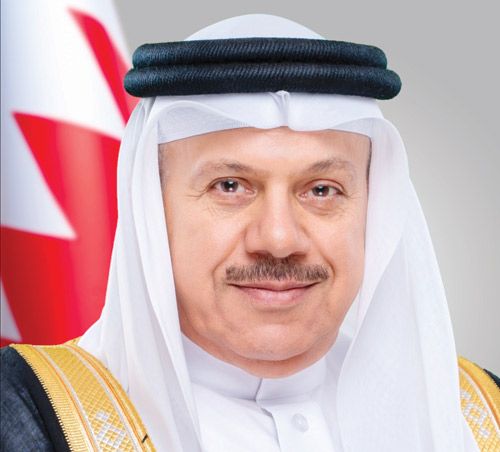

Bahrain Greece foreign ministers call highlights bilateral ties and regional concerns
Dr. Abdullatif bin Rashid Al Zayani, Bahrain’s foreign minister, spoke by phone yesterday with Greek Foreign Minister Giorgos Gerapetritis in a call described by the Bahraini Foreign Ministry. The Bahrain Greece foreign ministers call reviewed longstanding friendly relations, recent developments in bilateral cooperation, and ways to expand collaboration across political, economic and maritime sectors.
Main topics: bilateral cooperation and international navigation
According to the ministry statement, the conversation focused on the deepening partnership between the two countries, which has seen steady growth across multiple fields. The ministers emphasized ongoing cooperation in trade, diplomacy, and cultural exchanges, and discussed practical steps to enhance economic ties and people-to-people contacts.
Furthermore, the Bahrain Greece foreign ministers call included a review of regional developments, notably the diplomatic and commercial implications of disruptions in major shipping routes. The ministers agreed to maintain close communication on issues affecting international navigation and trade.
Concerns over Strait of Hormuz and maritime security
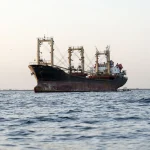
Both officials discussed the reported closure of the Strait of Hormuz by Iran and its possible consequences for global shipping, maritime safety and the international economy. The Bahraini statement said the ministers examined the economic and security fallout that could follow prolonged disruptions to a critical chokepoint for energy and goods.
Meanwhile, they considered measures to promote maritime security and protect commercial navigation. The discussion reflected shared concern among Gulf and European partners about the stability of sea lanes and the wider impact on supply chains and energy markets.
Coordination at the United Nations and Security Council consultations
The phone call also covered ways to increase consultation and coordination within the framework of the United Nations. Officials noted the importance of joint positions and information-sharing during sessions of the UN Security Council, where both countries have engaged on international security topics in recent years.
According to the ministry, the ministers agreed to enhance diplomatic coordination on issues that come before the Council and to consult closely on regional files that require multilateral responses. This approach aims to bolster effective international action while reflecting each country’s priorities and assessments.
Implications for trade and global economy
Analysts say disruptions in the Strait of Hormuz could trigger immediate logistical and cost pressures for global markets, particularly in energy and shipping sectors. Therefore, the Bahrain Greece foreign ministers call was notable for raising the economic stakes of maritime disruptions that extend beyond the region.
Officials emphasized contingency planning and the importance of keeping trade routes open. They also explored diplomatic avenues to reduce tensions and agreed to monitor developments closely, according to the ministry statement.
Context: bilateral relations and regional diplomacy
Bahrain and Greece maintain diplomatic relations grounded in shared economic interests and cooperation on international issues. The recent phone exchange reflects an effort by both capitals to sustain high-level dialogue as regional dynamics shift and as global trade routes face new challenges.
Moreover, the two foreign ministers underscored the value of continued diplomatic engagement, citing past collaboration and expressing readiness to pursue new initiatives in areas such as maritime transport, investment, and cultural cooperation.
Practical follow-ups discussed
The ministries reportedly agreed on practical steps to follow up on the phone call, including intensified diplomatic consultations and technical exchanges on maritime security measures. Officials suggested they will coordinate positions in international fora and keep open channels for rapid information exchange.
Additionally, the ministers discussed potential mechanisms to support affected commercial activities and to reassure international partners about efforts to safeguard navigation and trade.
What to watch next
Observers should watch for further statements from both foreign ministries and any coordinated actions at the United Nations or other multilateral venues. In the short term, expect routine diplomatic exchanges and possible technical meetings on maritime security and trade continuity.
Furthermore, any developments regarding the status of the Strait of Hormuz or related regional tensions will likely prompt additional consultations between Bahrain and Greece, as well as with other international partners.
Conclusion: continued dialogue and monitoring
The Bahrain Greece foreign ministers call underlined the two countries’ commitment to deepen cooperation and to address shared regional challenges. Officials framed the conversation as part of an ongoing diplomatic engagement to preserve maritime safety and to coordinate responses to evolving geopolitical risks.
Looking ahead, readers should watch for follow-up meetings, potential joint statements in multilateral settings, and technical coordination aimed at protecting navigation and minimizing economic disruption. The next expected steps include intensified consultations and monitoring while both capitals assess developments and align diplomatic responses.