






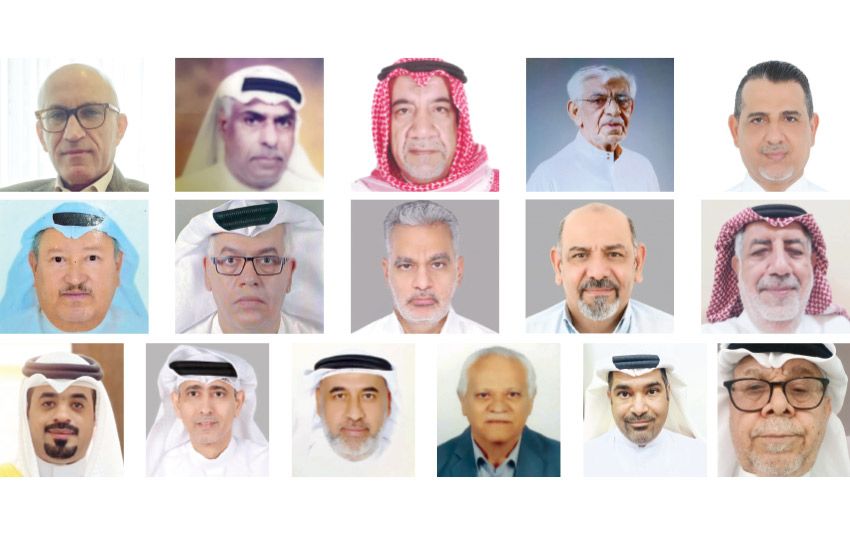

Bahrain Ashura season: Royal support credited for smooth conclusion
Heads of mourning houses and Hussaini processions in Bahrain expressed deep gratitude to His Majesty the King and to His Royal Highness the Crown Prince and Prime Minister on the occasion of the conclusion of the Bahrain Ashura season this year. According to official statements, the leaders thanked the royal leadership for facilitating the environment that enabled safe and organized observances across the kingdom.
They said that the royal patronage and sustained attention throughout the period were decisive factors in allowing citizens and residents to commemorate Ashura with dignity and peace. Government agencies cooperated closely with religious organizers to ensure logistical, security and public-health requirements were met.
Government coordination and institutional support
Officials and procession leaders highlighted the role of multiple ministries and state institutions in delivering practical support during the Bahrain Ashura season. They noted that transportation, municipal services, public safety units and health authorities coordinated to meet event needs and manage large public gatherings, according to official summaries.
Furthermore, organizers credited emergency services and municipal teams for their responsiveness, which helped reduce disruptions and allowed ceremonies to proceed without major incidents. Therefore, authorities said the collaborative approach reflected established contingency planning and interagency communication.
Religious freedom, coexistence and national identity
Leaders of the mourning houses described the successful season as a demonstration of Bahrain’s commitment to religious freedom and interfaith coexistence. They emphasized that the state’s support for commemorations reinforces the kingdom’s historical reputation as a secure space for diverse religious practices and beliefs.
Additionally, the statements underscored how the allowance and protection of religious rites contribute to national cohesion. Officials pointed out that enabling peaceful observance across communities promotes mutual respect and strengthens social bonds in a multicultural society.
Mainstreaming safety and public order for ritual observances
Public safety and crowd-management measures were prominent among the factors organizers praised after the Bahrain Ashura season. Authorities worked to ensure processions and gatherings had clear routes, medical stations and coordinated security presence, officials said, reducing risks associated with large-scale religious events.
In addition, municipal cleaning and traffic-management plans were implemented to minimize inconvenience for residents and to restore normal urban services quickly after events. Consequently, community leaders expressed appreciation for the pragmatic measures that combined ceremonial needs with civic responsibilities.
Role of civil institutions and voluntary contributions
Beyond government agencies, volunteers and civil society actors played a visible role in logistics and hospitality during the commemorations. Volunteers provided crowd guidance, distributed water and coordinated charitable food services, supporting organizers in maintaining orderly and humane observances.
Such grassroots involvement, officials noted, complements formal security and municipal arrangements and exemplifies a shared sense of duty among civic groups, religious institutions and state bodies.
Communication, planning and lessons learned
Organizers said that pre-event planning and real-time communication tools were critical to managing the schedule and responding to emerging needs during the Bahrain Ashura season. They credited information sharing between procession committees and municipal authorities for enabling rapid adjustments when required.
Furthermore, the feedback from this year’s events is expected to inform improved contingency plans for future observances. Therefore, public agencies intend to review operational reports and stakeholder recommendations to refine coordination protocols and resource allocation.
Implications for regional religious practice and civic policy
Observers said the way Bahrain facilitated the Ashura commemorations may serve as a reference for policy discussions on accommodating religious rites while maintaining public order. The balance between freedom of worship and civic management was highlighted as a practical model for policymakers and community leaders.
Meanwhile, academic and civil society commentators suggest that documenting best practices from the season could help other jurisdictions planning comparable large-scale religious events, particularly in contexts that emphasize pluralism and safety.
Looking ahead: what to watch next
Officials and procession leaders indicated that lessons from the Bahrain Ashura season will be reviewed in the coming weeks, with a focus on strengthening contingency planning, volunteer training and interagency communication. The review process is expected to yield concrete recommendations ahead of the next annual observances.
Readers should watch for official reports from relevant ministries and for announcements from procession committees detailing follow-up measures. For additional official information and service updates, see the Bahrain Government Portal at www.bahrain.bh.
In conclusion, leaders thanked the royal leadership and public institutions for enabling a calm and organized conclusion to the Ashura season, while calling for continued cooperation to safeguard religious freedom, public safety and social harmony. The forthcoming review and planning cycle will determine specific timelines and operational changes to be implemented before next year’s commemorations.