







Incident Report: 200 Workplace Accidents and 4 Fatalities in Bahrain’s First Half of 2026
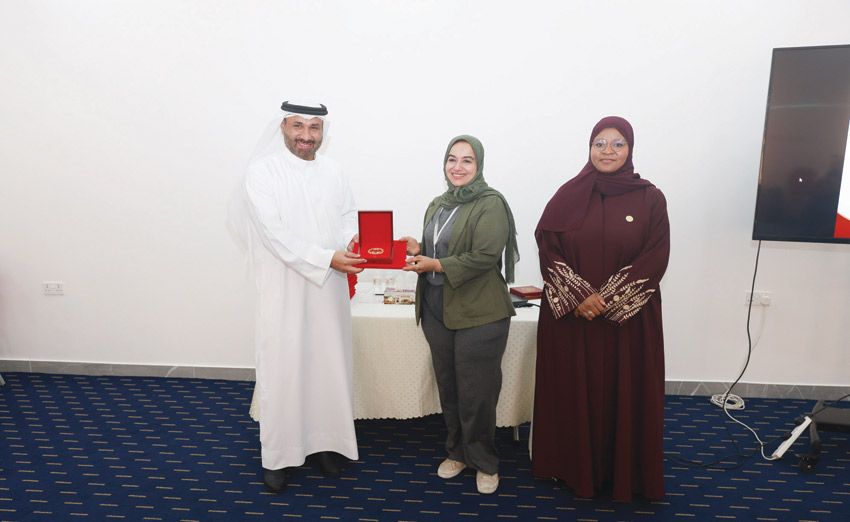
In the first half of 2026, Bahrain experienced a concerning total of 200 registered occupational incidents, resulting in 4 fatalities. This information was revealed during a workshop organized by the Free Trade Union, which involved representatives from the Ministry of Labor, the Ministry of Health, and the Social Insurance Organization. The workshop aimed to shed light on procedures for reporting workplace injuries and entitlements for compensation.
Reporting and Protocols for Workplace Injuries
The workshop highlighted essential mechanisms for reporting incidents at work. The General Organization for Social Insurance has reported an average of 30 to 40 minor work-related injuries each month, alongside occasional severe cases. The Ministry of Labor stressed the importance of timely reports to identify recurring causes of accidents and enhance workplace safety protocols.
Professionals underlined that any serious workplace injuries or fatalities should be reported within 24 hours, while work-related diseases must be reported within 10 days of detection. These timely notifications ensure that victims receive appropriate medical care and that necessary investigations can commence without delay.
The Economic and Social Impact of Workplace Accidents
According to Zahra Al-Sayed Hashim, a leading occupational safety engineer, the effects of workplace accidents extend beyond immediate physical harm, leading to economic losses and social implications. These incidents can disrupt productivity and pose a threat to worker wellbeing. Therefore, promoting workplace safety is a shared responsibility that involves collaboration among government entities, employers, and workers.
The economic ramifications of workplace injuries were also discussed, noting that the International Labor Organization estimates that approximately 2.78 million people die annually due to workplace accidents, alongside roughly 340 million injuries. This results in significant financial burdens, estimated at around $4 trillion annually.
Bahrain has made significant strides in occupational safety over the past decade, yet continuous improvement through ongoing education and awareness campaigns is necessary to further reduce workplace incidents.
Challenges and Recommendations for Improving Safety Standards
Amidst the reported incidents, it was noted that a bulk of severe injuries occurs among foreign workers, particularly in the construction sector. This trend is partially attributed to a lack of awareness regarding safety regulations. Companies of varying sizes exhibit differing levels of commitment to enforcing safety standards, with larger corporations generally adhering more closely to best practices.
Officials emphasized the need for continuous training and workshops to cultivate a safety-first culture within organizations. The commitment to safety must be reinforced regularly to ensure compliance with laws and best practices. There is also a requirement for employers to maintain injury records for at least five years and to submit annual statistics to the Ministry of Labor.
Next Steps and Ongoing Initiatives
In the aftermath of these discussions, a concerted effort will be made to hold more workshops aimed at educating workers about their rights and entitlements. The Free Trade Union plans to promote these events within workplaces to ensure that employees are informed and equipped to adhere to safety guidelines.
Moving forward, it is imperative that all stakeholders—government agencies, employers, and employees—commit to creating a safer work environment. The focus will remain on reducing the occurrences of workplace injuries through awareness, education, and strict adherence to safety protocols.