






By using this site, you agree to the Privacy Policy and Terms of Use.
Accept
Gulf PressGulf Press
  • Gulf News
    • Saudi Arabia
    • UAE
    • Oman
    • Kuwait
    • Qatar
    • Bahrain
  • Business
  • Technology
  • Real Estate
  • Sport
  • Travel
  • Lifestyle
  • Rankings
  • Explained
  • Opinion
Search
Countries
More Topics
Site Links
  • Newsletter
  • Terms
  • About Us
  • Advertise with us
  • Contact Us
© 2023 Gulf Press. All Rights Reserved.
Reading: First time microplastic discovered in human penis: What are the implications?
Share
Notification Show More
Latest News
Taif Governor Inspects Historic District, Vows Heritage Preservation
Saudi Arabia
National Committee Reviews Government Policy for Sustainable Endowments and Zakat Funds Wednesday
UAE
Are Rising Living Costs Changing Life in Gulf Countries?
Opinion
Saudi Arabia National Team Fixtures 2026 Match Schedule Results and FIFA World Cup Preparation
Sport
Families Swap Late Nights for Discipline Ahead of School Reopening
Saudi Arabia
Aa
Gulf PressGulf Press
Aa
  • Gulf News
  • Business
  • Technology
  • Real Estate
  • Sport
  • Travel
  • Lifestyle
  • Rankings
  • Explained
  • Opinion
Search
  • Gulf News
    • Saudi Arabia
    • UAE
    • Oman
    • Kuwait
    • Qatar
    • Bahrain
  • Business
  • Technology
  • Real Estate
  • Sport
  • Travel
  • Lifestyle
  • Rankings
  • Explained
  • Opinion
Have an existing account? Sign In
Follow US
  • Terms
  • About Us
  • Advertise with us
  • Contact Us
© 2023 Gulf Press. All Rights Reserved.
Gulf Press > Gulf News > First time microplastic discovered in human penis: What are the implications?
Gulf News

First time microplastic discovered in human penis: What are the implications?

News Room
Last updated: 2024/07/06 at 2:12 AM
News Room
Share
4 Min Read
SHARE

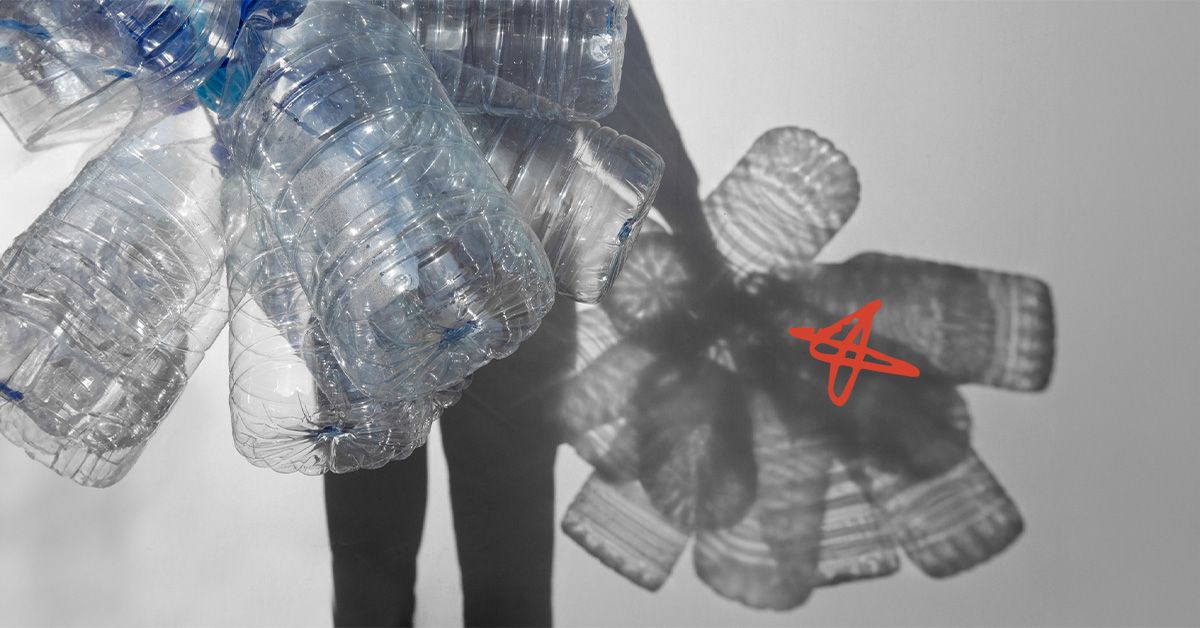
Scientists have recently discovered microplastics in human penile tissue, raising concerns about their prevalence and potential health risks. A study found that four out of five samples from men with erectile dysfunction contained seven different types of microplastics. Experts hope that these findings will increase awareness and encourage further research into the impact of foreign particles in human organs.

Male infertility remains a global issue, with its causes often not well understood. Given the growing evidence of microplastics infiltrating various biological systems, researchers are now exploring their potential effects on reproductive systems. Previous research has investigated the presence of microplastics in male reproductive organs. For example, one study found 12 different types of microplastics in the testicles of dogs and humans, with higher levels correlating to lower sperm counts and reduced testis weight in dogs.

New research published in IJIR: Your Sexual Medicine has revealed that four out of five penis tissue samples from five men contained seven different types of microplastics. These polymer fragments can range in size, with smaller fragments known as nanoplastics. Microplastics form when larger plastic materials degrade chemically or wear down physically into tinier pieces. The study identified polyethylene terephthalate (PET) and polypropylene (PP) as the most common types of microplastics found in penile tissue samples.

Chemical imaging analysis of the samples revealed that 80% of men undergoing penile implant surgery at the University of Miami between August and September 2023 had microplastics in their penile tissue. Dr. Ranjith Ramasamy, the lead author of the study, explained that these tiny particles can travel through the bloodstream and accumulate in various tissues, including the penile tissue. Tracey Woodruff, a professor at the University of California, San Francisco, noted that microplastics have been found in various body parts, including blood, placenta, stool, and testicles.

Dr. Ramasamy emphasized the importance of continuous research to fully understand the extent of the effects of microplastics on reproductive health and develop strategies to mitigate exposure. He suggested that people may be able to limit their exposure by reducing the use of single-use plastics, filtering tap water, or choosing fresh food over frozen food in plastic containers. Dr. Woodruff also stressed the importance of reducing exposure to toxic chemicals found in microplastics by avoiding plastic containers, bottles, and packaging, consuming fresh and organic food, and avoiding fast or processed foods.

In conclusion, the discovery of microplastics in human penile tissue highlights the need for further research and awareness of the potential health risks associated with these foreign particles. By understanding the sources of exposure and implementing strategies to limit it, individuals can take steps to protect their reproductive health. The findings also underscore the importance of government action to regulate plastic production and reduce harmful levels of microplastics in the environment.

Sign Up For Daily Newsletter

Be keep up! Get the latest breaking news delivered straight to your inbox.
[mc4wp_form]
By signing up, you agree to our Terms of Use and acknowledge the data practices in our Privacy Policy. You may unsubscribe at any time.
News Room July 6, 2024
Share this Article
Facebook Twitter Copy Link Print
Previous Article ‘Ice creams, juices a luxury for us’: Dubai residents receive over 35,000 free snacks daily
Next Article Mount Etna eruption causes Catania Airport to close
Leave a comment Leave a comment

Leave a Reply Cancel reply

Your email address will not be published. Required fields are marked *

Stay Connected

235.3k Followers Like
69.1k Followers Follow
56.4k Followers Follow
136k Subscribers Subscribe
- Advertisement -
Ad imageAd image

Latest News

Taif Governor Inspects Historic District, Vows Heritage Preservation
Saudi Arabia June 5, 2026
National Committee Reviews Government Policy for Sustainable Endowments and Zakat Funds Wednesday
UAE June 5, 2026
Are Rising Living Costs Changing Life in Gulf Countries?
Opinion June 4, 2026
Saudi Arabia National Team Fixtures 2026 Match Schedule Results and FIFA World Cup Preparation
Sport June 4, 2026

You Might also Like

Saudi Arabia

Taif Governor Inspects Historic District, Vows Heritage Preservation

June 5, 2026
UAE

National Committee Reviews Government Policy for Sustainable Endowments and Zakat Funds Wednesday

June 5, 2026
Saudi Arabia

Families Swap Late Nights for Discipline Ahead of School Reopening

June 4, 2026
UAE

UAE Weather Tomorrow: Mostly Clear Skies Across the Emirates

June 4, 2026
Bahrain

Works Minister Inspects Sewer Network Progress at Al-Lawzi and Madinat Hamad

June 4, 2026
Kuwait

Pilgrims Tell Al-Anbaa Hajj Was Smooth and Exceptionally Organized

June 4, 2026
Oman

Oman Unveils Geneva Report Documenting Social Protection Redesign

June 4, 2026
Qatar

Iran Accuses Washington of Truce Breach Amid Regional Mediation Talks

June 4, 2026
//

GulfPress is a modern Gulf media platform delivering trusted news, business insights, technology updates, real estate trends, travel stories, explainers, and rankings from across the GCC and the Middle East.

Quick Link

  • About Us
  • Editorial Policy
  • Corrections Policy
  • Advertise with us
  • Contact Us
  • Privacy Policy
  • Terms of use

How Topics

  • Gulf News
  • Business
  • Lifestyle

Sign Up for Our Newsletter

Subscribe to our newsletter to get our latest news instantly!

[mc4wp_form]

Gulf PressGulf Press
Follow US

© 2023 Gulf Press. All Rights Reserved.

Join Us!

Subscribe to our newsletter and never miss our latest news, podcasts etc..

[mc4wp_form]
Zero spam, Unsubscribe at any time.

Removed from reading list

Undo
Welcome Back!

Sign in to your account

Lost your password?