






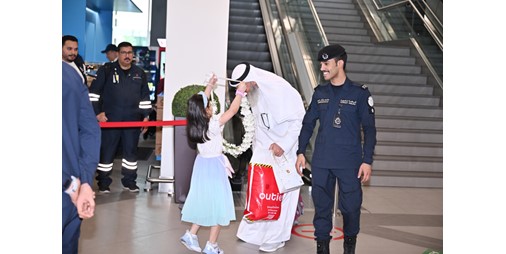

Kuwaiti Hajj mission praised for smooth return at Kuwait Airport T4
Kuwaiti pilgrims arrived at Kuwait International Airport Terminal 4 over the weekend after completing this year’s Hajj, and the Kuwaiti Hajj mission received wide praise for its coordination and support. Pilgrims who spoke to Al-Anbaa described fast airport processing and orderly transport from the holy sites, saying the mission’s presence helped ensure a calm and secure return.
Arrivals are expected to continue through Sunday evening, according to airport staff and pilgrimage organizers. The same sources noted that cooperation with Saudi authorities and the deployment of mission teams in hotels and transit points contributed to the overall efficiency of the repatriation process.
Kuwaiti Hajj mission: coordination, follow-up and on-site support
Travelers interviewed by Al-Anbaa credited the Kuwaiti Hajj mission with maintaining high standards of organization, from pre-departure briefings to in-country logistics. Officials from the mission provided continuous field follow-up and liaised with Saudi counterparts to resolve issues quickly, pilgrims said.
Furthermore, the mission’s teams were reportedly stationed at key locations, including accommodation sites and transport hubs, to assist elderly pilgrims and families. These efforts, according to participants, reduced stress at critical moments and allowed many to complete rituals with dignity and ease.
Mashair train and transport networks eased movement between sacred sites
The Mashair train, a dedicated rail link serving the Hajj sites, was singled out by passengers as a major enabler of smooth movement between Mina, Arafat and Muzdalifah. Pilgrims described the service as user-friendly and instrumental in avoiding prolonged waits during peak periods.
In addition to the Mashair train, modern bus fleets and coordinated shuttle schedules helped maintain steady flows between the holy sites. Therefore, the combined transport network reduced congestion and enabled more predictable itineraries for groups organized by Kuwaiti campaigns and the mission.
Saudi Hajj services and security arrangements
Many returning pilgrims praised Saudi Hajj services for their scale and responsiveness, noting efficient crowd management and visible security support. Pilgrims told Al-Anbaa that security personnel and emergency services were consistently available, which contributed to a sense of safety throughout the rites.
According to participants, health teams and medical points were well-distributed, and staff provided clear directions during peak movement times. Meanwhile, coordination between Saudi authorities and national missions—such as the Kuwaiti Hajj mission—helped expedite procedures for groups with special needs.
Pilgrim accounts: first-timers and repeat visitors
First-time pilgrims described their experience as unexpectedly smooth, highlighting clear signage, frequent transport options and prompt assistance from mission representatives. Several said initial anxieties eased quickly once systems for movement and shelter became apparent.
Repeat visitors noted visible year-on-year improvements in logistics and crowd flow. They observed that the combined effect of the Mashair train and improved bus coordination allowed groups to maintain their planned schedules, which reduced fatigue and uncertainty.
Airport processing, mission responsiveness and fast turnaround
At Kuwait T4, many arrivals reported rapid customs and health checks, with some saying airport formalities took only minutes. Airport staff and mission volunteers coordinated luggage handling and passenger flow, streamlining the final leg of the journey home.
Mission representatives also assisted with post-arrival needs, such as contacting family members and supporting older pilgrims who required additional care. The quick airport turnaround was cited as evidence of effective collaboration among the Kuwaiti Hajj mission, airport authorities and airline operators.
Implications for future Hajj seasons and recommendations
Observers say this year’s smoother operations may inform planning for future Hajj seasons, particularly regarding transport capacity and mission deployment. Officials and seasoned organizers may study passenger flow data and mission field reports to refine staffing models and resource allocation.
Additionally, maintaining regular coordination with Saudi agencies and investing in targeted support for vulnerable pilgrims could further reduce bottlenecks. Therefore, mission leaders and campaign organizers are likely to prioritize these points in post-season reviews.
What to watch next
Authorities and mission teams are expected to complete debriefings and publish summaries of lessons learned in the coming weeks, officials indicated. Families and prospective pilgrims should watch for updated guidance on registration, transport options and recommended medical preparations for the next Hajj season.
Meanwhile, the Kuwaiti Hajj mission has signaled plans to use this year’s operational feedback to improve services and training for volunteers. As a result, pilgrims can anticipate incremental adjustments aimed at enhancing comfort and safety in future trips.
In conclusion, returning pilgrims praised the role of the Kuwaiti Hajj mission, the Mashair train and Saudi Hajj services in enabling a mostly trouble-free pilgrimage. Next steps include formal reviews and coordination meetings that will likely determine operational priorities ahead of the next Hajj cycle.