









Arab teams at World Cup 2026: Historic expansion opens new opportunities
The highly anticipated FIFA World Cup kicks off this Thursday in the United States, Mexico and Canada, and a record eight Arab teams at World Cup 2026 will be on the pitch as part of the expanded tournament. Fans across the Arab world and beyond will follow the opening fixtures closely as the continent-spanning hosts stage the first 48-team World Cup in North America.
The presence of eight Arab teams at World Cup 2026 marks a milestone in regional representation. Morocco, Saudi Arabia, Algeria, Tunisia, Egypt, Qatar, Iraq and Jordan are listed among the participants, and each side seeks to add to the Arab nations’ historical win total at football’s premier competition.
Arab teams at World Cup 2026: Who they are and what they bring
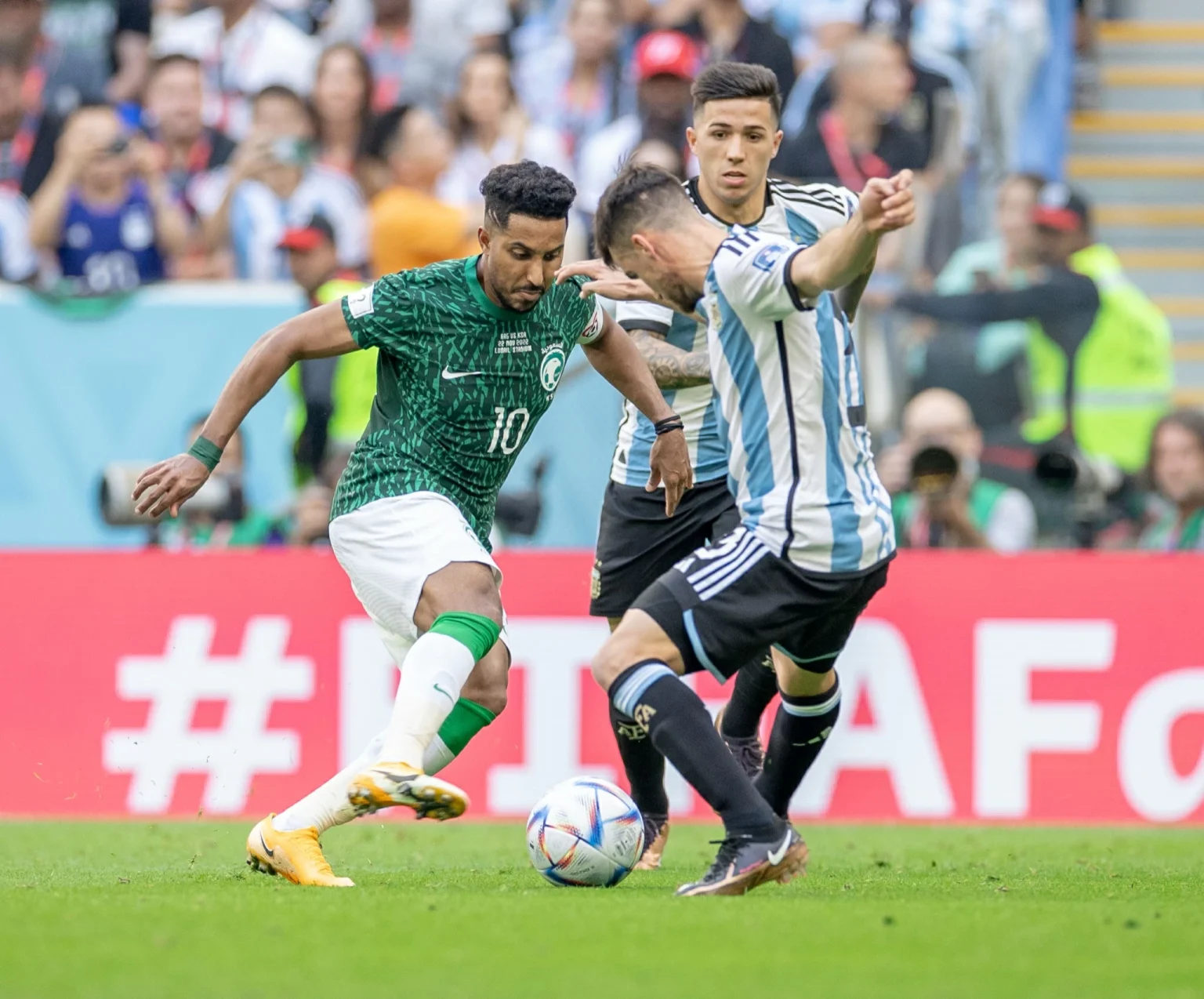
The eight Arab entrants combine recent high-profile performances and varied World Cup histories. Morocco arrives off a high note after reaching the semi-finals in the previous edition, while Saudi Arabia retains memories of its shock 2022 victory over Argentina. Algeria and Tunisia have recorded notable wins in past tournaments, and Egypt, Qatar, Iraq and Jordan bring their own domestic strengths and international ambitions.
According to historical World Cup records, Arab sides have recorded 15 wins across all past tournaments. Morocco leads that list with five victories, three of which came in the last World Cup, and Saudi Arabia follows with four, including the celebrated 2022 result. Algeria and Tunisia have each secured three wins in World Cup play, while Egypt, Qatar, the United Arab Emirates, Kuwait and Iraq have struggled to register victories in previous editions.
Performance outlook and tactical considerations for the Arab nations
Several factors will shape outcomes for the Arab teams. The expanded 48-team format provides more group-stage matches and a broader pathway to the knockout rounds, which could benefit teams that manage squad rotation and depth. Additionally, travel and climate in North America will test logistical planning, recovery routines and tactical flexibility.
Morocco can rely on continuity and momentum, having demonstrated defensive resilience and counterattacking efficiency in recent tournaments. Saudi Arabia’s tactical approach will likely focus on disciplined organization and quick transitions. Tunisia and Algeria often emphasize structured defense and set-piece threat, while Egypt and Qatar may look to blend technical midfield control with opportunistic counterplay. Iraq and Jordan, as emerging qualifiers on the world stage, will aim to unsettle higher-ranked opponents with spirited performances and targeted game plans.
Historical context: How Arab participation evolved at the FIFA World Cup
Arab representation at the World Cup dates back to the early 20th century, with Egypt making an appearance in 1934. The first recorded tournament win by an Arab side came in 1978, when Tunisia beat Mexico 1-0, a result often cited by historians as a turning point for the region’s visibility on the global stage. Since then, Arab participation has ebbed and flowed with regional qualification paths and the strength of domestic competitions.
The 2026 tournament’s larger field reflects FIFA’s broader strategy to increase inclusivity and global reach. Analysts note that the additional slots have enabled more Arab federations to qualify, boosting the probability of group-stage victories and potential deep runs. According to sports historians and official records, the increased presence also raises the profile of domestic leagues and youth development programs across the Arab world.
Statistical snapshot and record holders
Compiled figures show Morocco as the most successful Arab nation at the World Cup by total wins, followed by Saudi Arabia, Algeria and Tunisia. Observers point out that one-sided historical statistics can mask progress in competitive balance: recent tournaments have produced surprise results and breakthrough performances that suggest the gap between traditional powerhouses and emerging Arab sides is narrowing.
Implications for regional football development and fan engagement
Greater Arab representation at the World Cup is expected to spur investment in coaching, sports science and youth academies. Football federations in the region may leverage tournament exposure to secure sponsorship, improve domestic infrastructure and expand talent pipelines. Furthermore, broadcasters and sponsors see increased commercial potential in targeting a broader Arab fan base across multiple countries.
For supporters, the tournament offers a rare concentration of regional rivals and cultural moments on a global stage. Fans and officials alike have said that performance in North America could shape perceptions of Arab football for years, influencing player transfers, coaching hires and international scheduling.
What to watch next and timeline
In the coming days, attention will focus on group-stage fixtures and early knockout scenarios that can quickly alter the tournament narrative. Fans should watch first-round matches for momentum swings and unexpected results, and observe how each Arab team manages squad rotations and injuries as the schedule intensifies.
As the group stage unfolds over the next weeks and the tournament moves toward the knockout rounds, observers will monitor whether Arab teams can convert increased participation into historic wins and deeper runs. Official match reports and FIFA statistics will provide continuing updates on performances and record changes.
In conclusion, the presence of eight Arab teams at World Cup 2026 represents both a symbolic and practical milestone. Stakeholders will be watching closely to see whether expanded representation translates into more victories, longer stays in the competition and sustained gains for football development across the Arab world.