







Award for Administrative Excellence in the Judiciary
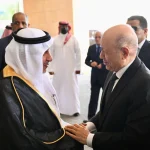
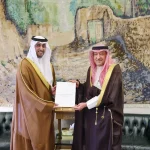
Hessa Al-Asousi, the head of the Judicial Coordination Department of the Supreme Judicial Council, has been honored with the Administrative Excellence Award for High Courts and Appeals in the Gulf Cooperation Council (GCC) states. This recognition was presented during the 12th meeting of the Heads of Supreme Courts and Appeals within the GCC, which was held in Manama, Bahrain, and included a high-level judicial delegation from Kuwait led by Dr. Adel Bourasli, the President of the Supreme Judicial Council and Chief Justice of the Court of Cassation.
The award acknowledges Al-Asousi’s outstanding competence and her successful management of the responsibilities assigned to her department.
Significance of the Award in the Judicial Context
The Administrative Excellence Award is a prestigious accolade that reflects the importance of effective leadership and innovative practices within high courts across the GCC. Established to set benchmarks in judicial management, it aims to foster a culture of excellence in the region’s legal systems. Besides recognizing individuals, the award encourages other judiciary departments to strive for efficiency and transparency to enhance public trust in judicial proceedings.
Al-Asousi’s achievement is not only a personal honor but also a testament to the progressive reforms undertaken by the Supreme Judicial Council of Kuwait. These reforms aim to enhance the effectiveness and efficiency of judicial operations and to ensure that the judiciary remains accessible and responsive to the needs of the public.
Impacts on the Future of Kuwaiti Judiciary
As the head of the Judicial Coordination Department, Al-Asousi plays a vital role in shaping the future of the judiciary in Kuwait. Her expertise and innovative approaches are critical in streamlining court processes and improving the overall administration of justice. The recognition she has received may inspire more collaborative efforts within the GCC judiciary to share best practices and address common challenges.
The GCC meetings serve as a platform for judicial leaders to discuss pressing legal issues, explore advancements in technology, and evaluate the effectiveness of current legal frameworks. This collaborative spirit fosters improved judicial cooperation among member states, ultimately leading to a more unified approach to safeguarding the principles of justice.
Looking Ahead: Future Endeavors in Judicial Excellence
Moving forward, observers of the judiciary should anticipate further developments regarding initiatives aimed at enhancing judicial performance in Kuwait and the wider GCC region. With Al-Asousi’s recent recognition, there may be a heightened interest in implementing new policies that promote judicial effectiveness and administrative excellence.
As the region navigates evolving legal landscapes and societal needs, the impact of such awards may lead to more structured development programs for judges and court administrators, ensuring that they are equipped with the skills necessary to meet future challenges.
In conclusion, Hessa Al-Asousi’s achievement is not just a noteworthy personal accolade; it represents a significant step towards attaining administrative excellence in the judiciary of the GCC. Stakeholders will be keenly observing the outcomes of the next meetings among GCC judicial leaders to see how these themes of excellence will be integrated into the future of judicial practice.