








Al-Aalimi Visits Salman Relief and Launches New Volunteer Programs
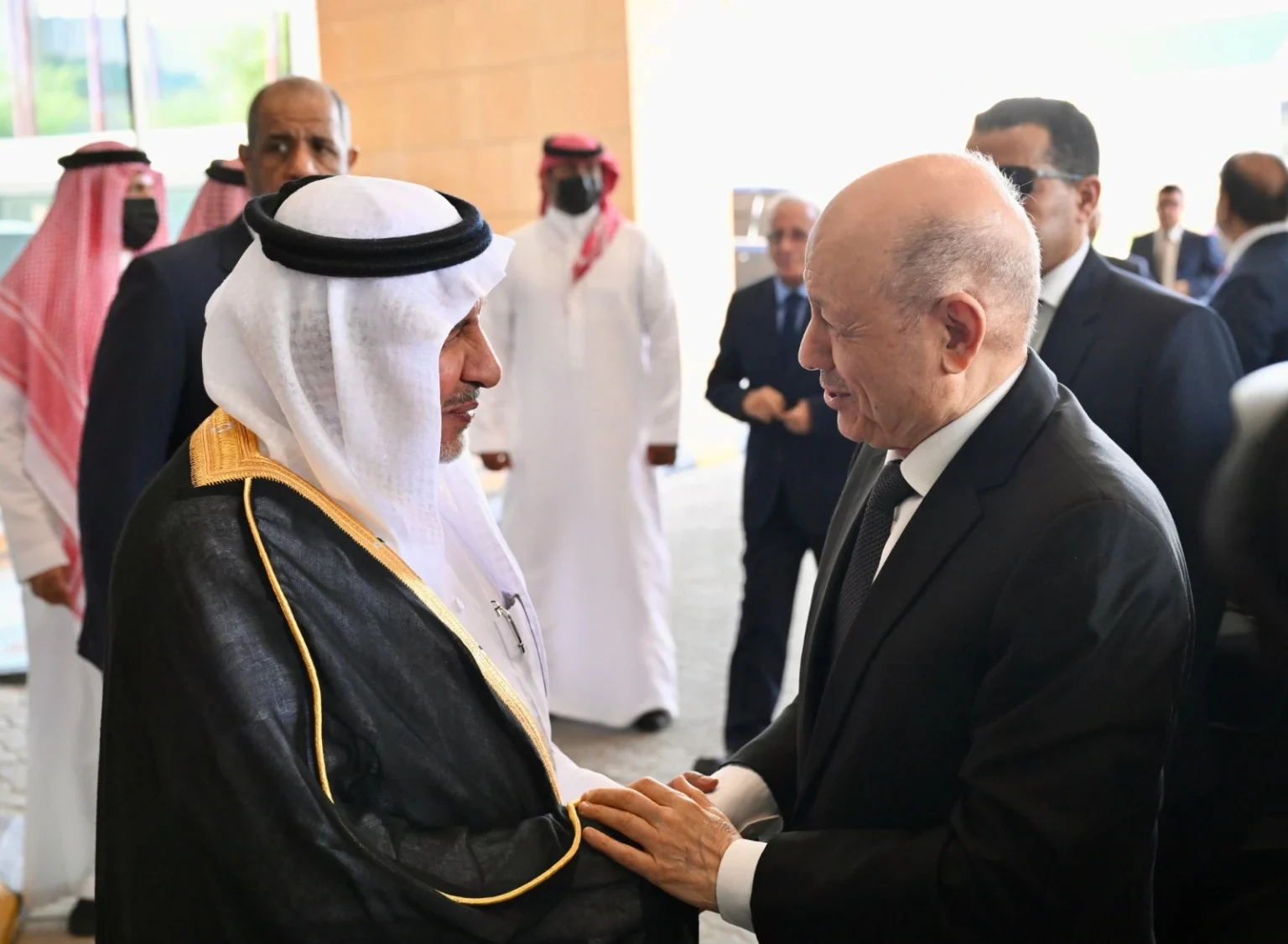
In a significant move towards humanitarian efforts, Yemen’s Minister of Foreign Affairs Ahmed Awad Al-Aalimi visited the King Salman Humanitarian Aid and Relief Center. During this visit, he inaugurated a new package of volunteer projects and programs aimed at providing support to those affected by ongoing crises in Yemen. This initiative represents a vital step towards enhancing relief operations in the region.
Details of the New Volunteer Projects
According to official statements, the newly launched projects focus on various aspects of humanitarian aid, including healthcare, education, and food security. The projects are designed to mobilize volunteers from within Yemen to address these critical needs. By fostering community involvement, the initiative aims to create a more sustainable approach to relief efforts.
Additionally, the programs will also aim to integrate skill development for local volunteers. This approach not only serves immediate humanitarian needs but also empowers individuals, enabling them to contribute effectively both during and after crises. The focus will be on equipping volunteers with the necessary tools to engage meaningfully in their communities.
The Importance of Humanitarian Efforts in Yemen
The ongoing conflict in Yemen has led to one of the world’s worst humanitarian crises, with millions relying on assistance for survival. The initiative led by Al-Aalimi is crucial not only for immediate relief but also for fostering long-term resilience among affected communities.
Furthermore, increasing local volunteer participation is instrumental in gaining trust and building relationships within communities. Engaging local citizens not only helps assess the most urgent needs but also galvanizes support for ongoing and future efforts.
Implications for Future Relief Operations
This visit and the launching of volunteer programs signal a shift in how humanitarian assistance may be delivered in Yemen. By prioritizing local involvement, it potentially sets a precedent for future initiatives and strategies employed by both local and international organizations.
As relief operations expand through these volunteer programs, observers point out that collaboration between the government and humanitarian organizations is vital. Such partnerships may lead to more comprehensive and effective responses to the complex challenges faced in Yemen.
What to Expect Going Forward
Looking ahead, the success of these volunteer programs will be closely monitored. Stakeholders will likely evaluate their impact on the broader humanitarian landscape in Yemen. The next steps could involve scaling these initiatives, based on the participation and outcomes observed in the initial phases.
Moreover, continued support from global organizations and the international community will play a pivotal role in sustaining these efforts. The needs in Yemen are vast, and as projects evolve, it will be essential to adapt to changing circumstances and priorities on the ground.
In conclusion, Al-Aalimi’s visit to the King Salman Relief Center and the launch of volunteer projects provide a critical opportunity for enhanced community involvement in humanitarian efforts. The unfolding situation in Yemen will require ongoing attention and strategic planning to address the dire humanitarian needs effectively.