









Security in the Strait of Hormuz: Regional Implications
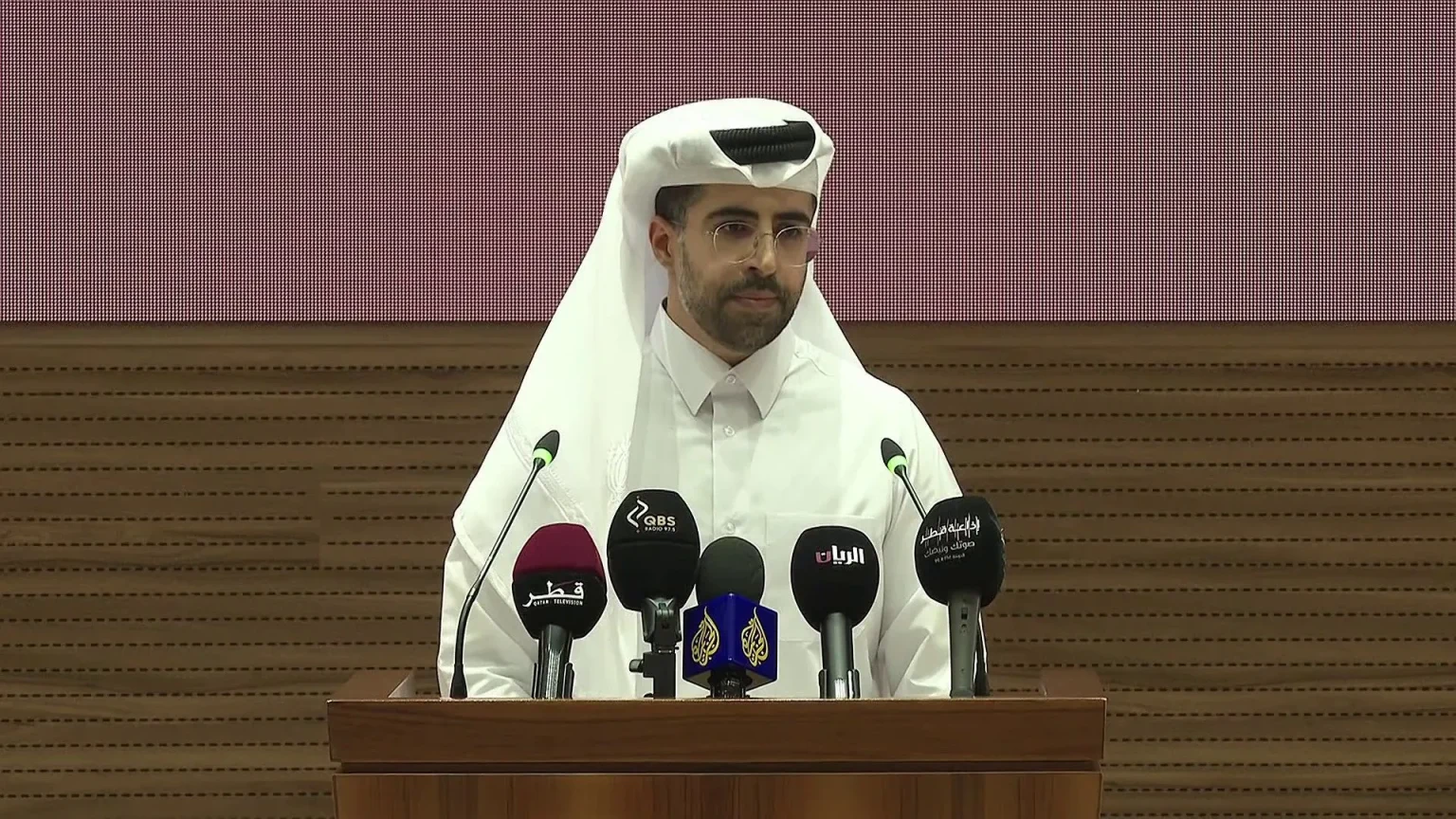
On October 20, 2026, Qatar reiterated that the security of the Strait of Hormuz is integral to the safety of the surrounding nations. Officials warned that any attack on internet cables or disruptions in navigation would have far-reaching consequences, affecting not only Iran but also its neighboring countries and their populations. Ibrahim bin Sultan Al Hashimi, the Director of Media and Communication at the Qatari Ministry of Foreign Affairs, emphasized the importance of continued communication and mediation efforts to swiftly resolve the escalating tensions through dialogue.
Continued Mediation Efforts Amid Tensions
During a weekly media briefing, Al Hashimi stated that despite the stalled negotiations between the involved parties, Qatar remains committed to mediating for stability in the region. He insisted that military solutions were not viable, cautioning that prolonged escalation would exacerbate the crisis, affecting both the regional economy and global energy supplies. Al Hashimi encouraged diplomatic routes to prevent further conflict and economic burdens for the nations involved.
Concerns Over Internet Cable Security
Addressing the ongoing threats related to attacks on internet cables within the Strait of Hormuz, Al Hashimi urged Iran to reconsider its position. He highlighted the substantial costs that would be borne by all involved should maritime navigation and telecommunications be disrupted. The Qatari official raised critical questions about who stands to benefit from acts of sabotage, emphasizing that such actions do not only impact targeted entities but extend their repercussions across the region, including Iran itself.
The Geopolitical Landscape and Environmental Considerations
Al Hashimi underlined that the U.S. is geographically distant from the Strait, while Israel does not depend on the Gulf’s waters. Instead, he posited that the most severe consequences would befall the countries in the vicinity, including Iran. He called attention to the fact that the security of maritime waters in the Strait is essential, as these nations rely on them for water desalination, maritime trade, and the protection of their fishing resources. Thus, any threat to the Strait poses a direct risk to the livelihoods of its inhabitants.
Collaborative Efforts to Maintain Stability
In response to the urgent need for effective communication and environmental safeguards, Al Hashimi urged Iran to uphold international laws that govern maritime navigation and marine environmental protection. He called for an end to acts that threaten ships and for a halt to dangerous incidents involving mines and oil spills, which bear ramifications extending beyond the nation causing them. Al Hashimi stressed the immediate need to reopen the Strait to maintain regional and international maritime safety.
Strengthening Bilateral Relations: France and Qatar
In a separate discussion, Al Hashimi described the upcoming state visit of French President Emmanuel Macron to Doha as a significant milestone in the enduring partnership between Qatar and France. He emphasized France’s role as a friend and ally to Qatar, noting that the visit would facilitate discussions aimed at enhancing cooperation in diverse areas, including energy, economics, investment, and defense.
Long-term Diplomatic Strategy and Defense Collaborations
Al Hashimi addressed questions regarding the establishment of a security defense center with regional and international partners. He reinforced that diversifying partnerships and building defensive capacities is a natural progression and does not conflict with Qatar’s role as a mediator in ongoing crises. He stated that strengthening regional nations’ self-defense capabilities is crucial, not only in light of the current crisis but also as a broader strategy for enduring stability.
Looking Ahead: Prospects for Dialogue
Amid the backdrop of U.S.-Iran negotiations, Al Hashimi remained optimistic despite the delays in responses to U.S. proposals. He asserted that peaceful solutions remain both attainable and essential, urging mediators to work diligently to keep communication channels open between the conflicting parties. The Qatari official reiterated that achieving a resolution through negotiations is vital for regional stability and reducing the financial costs associated with ongoing tensions.
In conclusion, the current landscape underscores the urgent need for collaborative efforts to ensure the security of the Strait of Hormuz while navigating the intricate dynamics of regional diplomacy. As dialogues unfold, stakeholders are encouraged to monitor developments closely, particularly regarding the outcomes of the French presidential visit and its implications for future cooperative agreements.