








Humanitarian Crisis in Gaza Sparks Urgent Call for International Action
The International Committee of the Red Cross (ICRC) has issued a grave warning regarding the worsening humanitarian crisis in Gaza. Pierre Krähenbühl, the Director-General of the ICRC, emphasized the urgent need for the international community to act responsibly amid the ongoing circumstances. In a recent interview, Krähenbühl highlighted the critical necessity of allowing patients requiring medical treatment to evacuate the region.
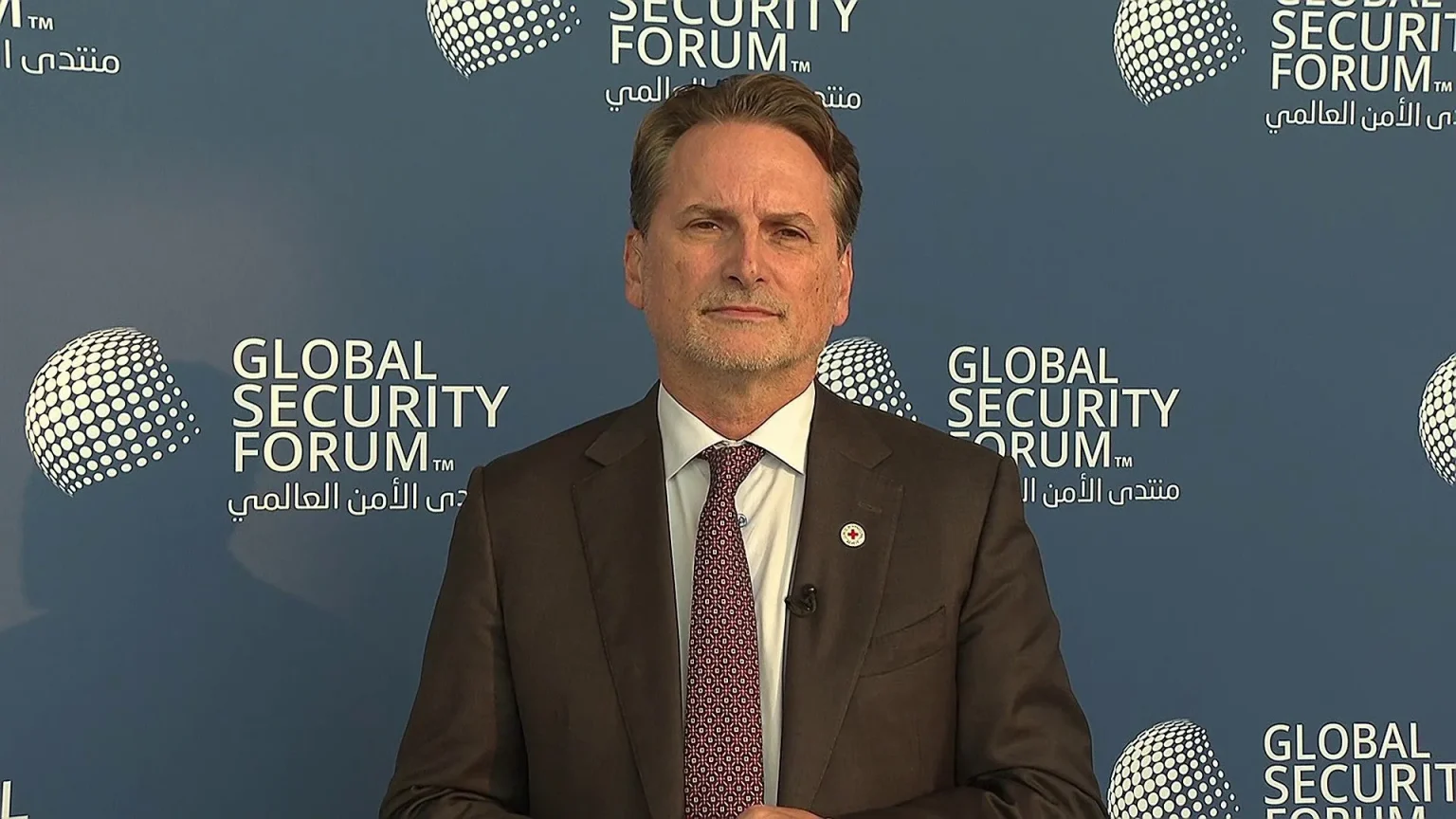
During a conversation held at the Global Security Forum in Doha, he described the conditions in Gaza as catastrophic, referring to the territory as a “hell on earth” where residents are facing immense suffering. Many individuals are living in makeshift tents, enduring fear for their lives due to a severe lack of medical care, clean water, and general uncertainty regarding their future.
Medical Evacuations Critical for Gaza’s Patients
Krähenbühl stressed that every patient in need of medical care must have access to treatment. He called for medical evacuations of those who require urgent care, reiterating that the devastation of hospitals and a dramatic decline in healthcare capacities have made it increasingly difficult for individuals to obtain necessary medical attention inside Gaza.
According to reports, there are hundreds of children suffering from long-term injuries, including limb amputations, who require immediate and ongoing medical treatment. Additionally, Krähenbühl expressed concern over the lack of funding for humanitarian efforts, urging donor nations to continue their support for relief initiatives in Gaza.
Humanitarian Actions Amidst Dire Conditions
The ICRC has established a field hospital in Gaza, providing critical life-saving care, maternal health services, and medical consultations. While these actions are commendable, Krähenbühl emphasized that humanitarian organizations are offering only the bare minimum in response to an overwhelming need. He insisted that a sustainable improvement in conditions requires decisive political action.
As efforts continue on the ground, the ICRC collaborates closely with health workers and the Palestinian Red Crescent Society, executing essential repairs on facilities that provide water to the population. Yet, the necessity for broader international involvement remains a pressing issue.
Concerns for Other Crisis Areas
Apart from Gaza, the ICRC is equally concerned about escalating crises in Yemen and Sudan. In Yemen, Krähenbühl characterized the situation as critically dangerous, urging a resumption of dialogue to alleviate the suffering of the Yemeni people. The ICRC is actively working alongside the Yemeni Red Crescent in several regions, focusing on providing medical care and saving lives.
Moreover, in Sudan, the vastness of the country and security challenges are severely hindering humanitarian operations. Krähenbühl reported that approximately 12 million people have been displaced due to ongoing conflict, with many experiencing repeated displacements and losing contact with their families. The ICRC aims to highlight the humanitarian repercussions of the ongoing strife in Sudan.
International Community’s Role in Humanitarian Support
The continuing humanitarian crises in Gaza, Yemen, and Sudan represent critical areas where international intervention is necessary. As the situation progresses, global attention on these issues is paramount in facilitating the delivery of essential aid and medical care to the afflicted populations.
Krähenbühl’s statements underscore the importance of a collective humanitarian response to alleviate the suffering experienced by millions. The coming months will be crucial as organizations like the ICRC and its partners strive to mitigate the impact of these crises, relying on international funding and political support.
Conclusion and Next Steps
For the international community, the next steps involve not only immediate humanitarian assistance but also advocating for lasting peace and stability in these regions. As crises evolve, stakeholders must monitor the developments closely and adapt their response strategies accordingly. Continued advocacy and support will be vital in addressing the urgent medical needs and humanitarian challenges faced by vulnerable populations.