







Calls for Reform in the United Nations Amid Global Tensions
Amid rising voices advocating for reform within the United Nations, concerns have surfaced over the dominance of the five permanent members of the Security Council wielding veto power to protect their interests. Analysts suggest the world may be leaning towards military and economic alliances to bypass the United Nations, potentially relegating it to a symbolic status devoid of real influence.
The question of the UN’s effectiveness was particularly highlighted during the Syrian conflict, where the Security Council’s attempts to protect civilians met significant obstacles due to divisions among its permanent members, notably Russia and China. In contrast, during the Libyan revolution in 2011, the Security Council swiftly moved to impose measures aimed at civilian protection, raising questions about the consistency and moral authority of its interventions.
The Legacy of the United Nations and Calls for Change
The notion of reforming the United Nations dates back to the 1960s, with renewed urgency as contemporary global challenges continue to evolve. Reports, including one from Al Jazeera titled “The United Nations on the Brink of Survival or Reform,” highlight the dual standards exercised by major powers over similar situations, prompting discussions on why the UN charter remains unchanged despite significant shifts in global demographics and power dynamics since 1945.
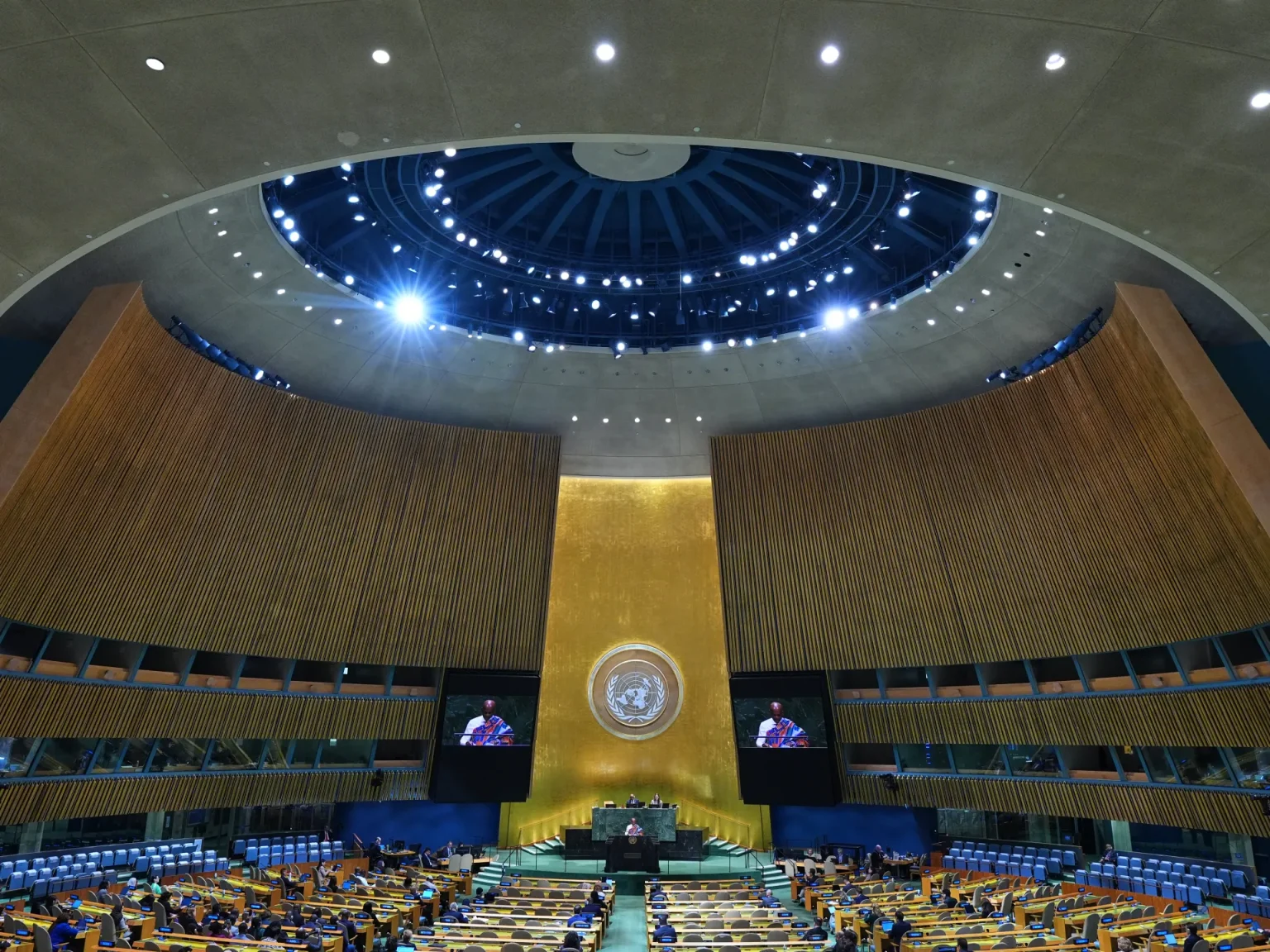
Established on October 24, 1945, the UN aimed to foster peaceful international relations and prevent wars. The organization comprises core bodies like the General Assembly, the Security Council, and the Economic and Social Council, with the Security Council being the most powerful and frequently scrutinized for its lack of reforms.
The Veto Power Dilemma
The structure of the Security Council includes five permanent seats for major powers: the United States, Russia, France, the United Kingdom, and China, along with ten non-permanent seats allocated based on geographical distribution. This configuration raises significant concerns, as many argue it reflects the geopolitical balance established post-World War II rather than the current political and economic realities.
Critics highlight that regions like Africa, which boasts substantial population and political influence, lack a permanent seat, along with significant countries like India and key players from Latin America and the Arab world. This disparity contributes to perceptions of inequity within the UN’s operational framework.
Hypocrisy and Double Standards
The United Nations has played vital roles in various conflict resolutions, including mediating peace during the India-Pakistan crisis and addressing humanitarian issues in multiple regions. However, its credibility diminishes when juxtaposed with the veto power utilized by permanent members, which often paralyzes decision-making processes when their national interests are implicated.
For instance, contrasts are drawn between the swift international response to the Russian invasion of Ukraine and the delayed reaction to humanitarian crises in Gaza. Such inconsistencies raise critical questions about the UN’s efficacy and fairness in upholding its foundational principles.
The Path Forward: Reform or Obsolescence
Many experts argue that the veto power not only preserves the status quo of powerful nations but also inhibits the UN’s potential effectiveness. Richard Butler, a thinker in international relations, argues that the current system encapsulates contradictions inherent in the UN charter, emphasizing the need for reforms that reflect the current geopolitical landscape.
As analysts like Dr. Khalid Al Jaber suggest, failing to reform the United Nations may drive nations toward alternative military alliances and economic blocs, thereby diminishing the UN’s role to a mere symbolic entity. The potential risk lies in a gradual overshadowing of the UN’s authority, leading to a fragmented international system where diplomacy takes a backseat to unilateral actions.
Conclusion: The Urgency of Reform
The ongoing debate surrounding UN reform highlights the pressing need for a reevaluation of its operational guidelines and the roles of major powers within the organization. Without significant changes, such as adjustments to the veto system and ensuring equitable representation of emerging powers, the United Nations risks losing its relevance altogether. Moving forward, stakeholders must prioritize dialogue on how to adapt the UN to contemporary global dynamics, fostering a more just and effective international governance system.