







New Promotion System for Omani Civil Servants Announced
The Ministry of Labor in Oman has unveiled a new promotion system for Omani civil servants within the state administrative apparatus, set to take effect in 2026 with retroactive implementation. This initiative is backed by an annual budget of 10 million Omani Rials and aims to benefit approximately 15,000 employees each year through three distinct paths—fast track, flexible, and specific pathways.
Details on the Promotion Paths
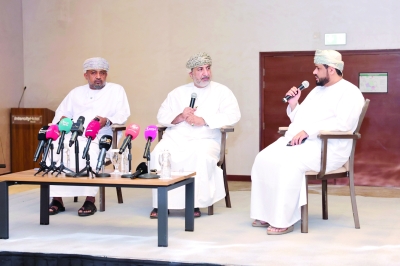
An official media briefing held in Muscat detailed the three promotion pathways. The fast-track approach focuses on exceptional performance, while the flexible path allows for merit-based comparisons among candidates meeting set criteria. The specific path addresses the needs of retention and recruitment of key talents in the workforce.
Mohammed bin Mubarak Al-Kalbani, Director General of Development and Quality Assurance at the Ministry, emphasized that the selection process leverages objective measures tied to individual performance and contributions. He stated that promotion decisions are made by unit heads twice a year, with effective dates on January 2 and July 2, providing clarity and structure to the promotion cycle.
Criteria and Conditions for Promotions
The Ministry also clarified the criteria and standards applicable to each promotion path. For the fast-track option, employees must have at least three years of service in their current role, three consecutive excellent performance evaluations, and no disqualifying factors. The flexible path involves a ranking of employees based on their overall scores across specified performance metrics.
On the other hand, the specific path will utilize more targeted assessments to identify key personnel essential for unit operations. The entire framework emphasizes accountability and fairness in financial allocations tied directly to the number of qualifying employees in each unit, ensuring an equitable distribution of resources.
Transition to the New System
This modernization of the promotion system effectively closes the chapter on promotion processes from 2017 to 2020, as the Ministry looks forward to a new approach that more accurately reflects individual contributions and encourages continuous improvement among staff. The comprehensive guidelines ensure that the promotion process is not only structured but also aligns with broader human resources management strategies aimed at enhancing performance outcomes.
Additionally, any existing grievances about past promotions will be addressed through newly established committees at the unit and ministry levels to ensure transparency and governance in the application of the new system.
Conclusion and Future Implications
As Oman prepares to implement this revamped promotion system, it represents a significant step toward refining human resources practices within the public sector. Employees and stakeholders should closely monitor the roll-out of these new pathways, as they promise to establish a culture of meritocracy within the civil service. Observers expect that these changes will foster improved employee performance and greater organizational effectiveness, ultimately leading to enhanced public service delivery across the nation.