





Gulf Leagues: The New Destination for Football Stars
The top Gulf football leagues have shifted from being mere retirement destinations to becoming vibrant platforms for talent rediscovery. This transition allows players to reemerge on the European scene and offers unprecedented professional opportunities for local stars looking to play in Europe. The recent transfer of England international and Aston Villa striker Ollie Watkins to Saudi Arabian club Al Hilal marks a pivotal moment, indicating a new era in Gulf football.
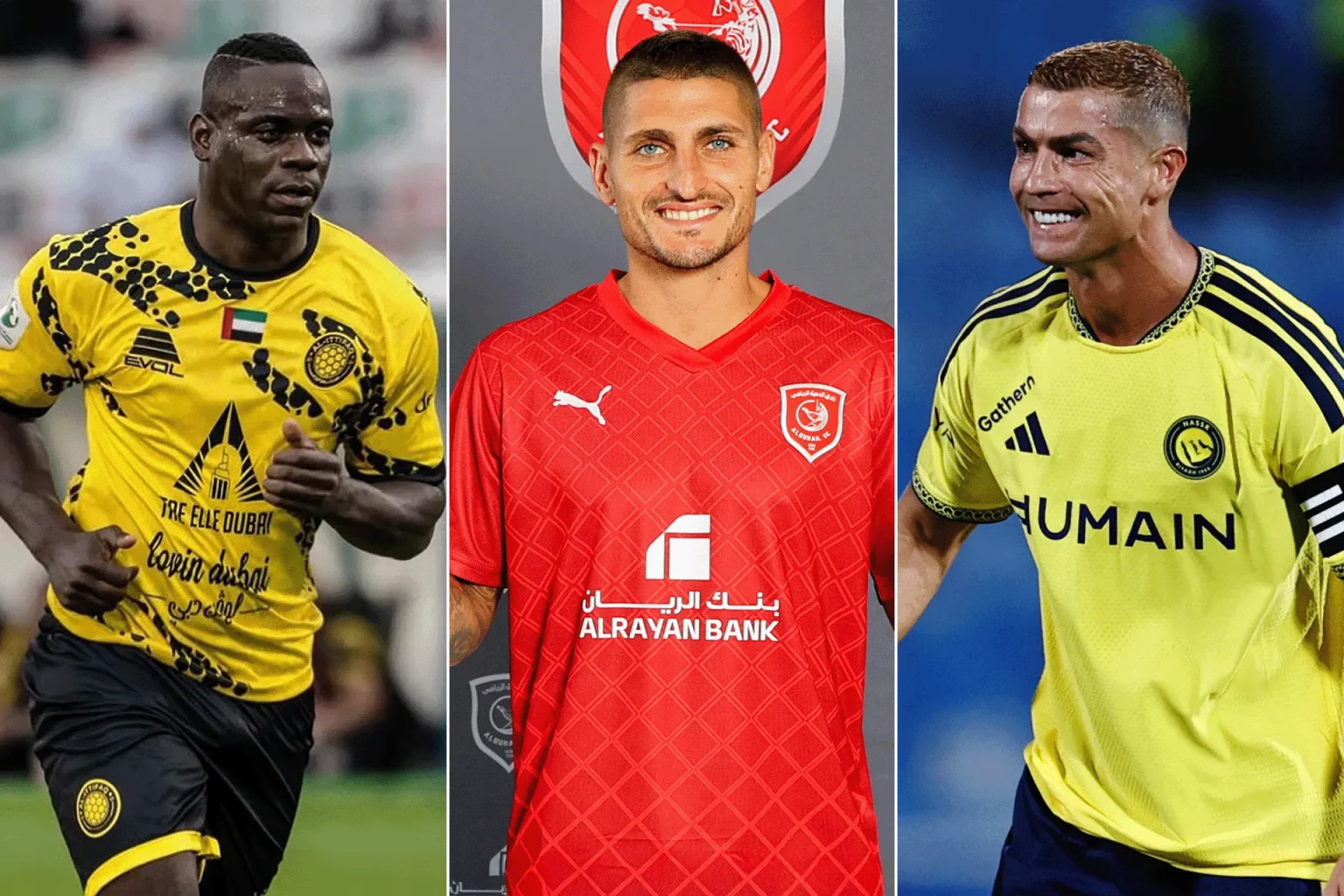
Notably, this trend isn’t limited to the Saudi Professional League; it has expanded to other Gulf leagues as well. The UAE Pro League welcomed renowned Italian forward Mario Balotelli to Al-Ettifaq, while the Qatari League has secured significant signings such as Spain’s Rodrigo Moreno and German Julian Draxler. The question arises: how have the Gulf leagues transformed into attractive destinations for top European stars?
Strategic Balance of Global Experience and Youth
The influx of international talent has redefined the landscape of Gulf football leagues, blending seasoned professionals with youth potential. Each league exhibits its unique competitive edge:
Saudi Professional League: Leading the regional competition, the Saudi league boasts a lineup of iconic players including Cristiano Ronaldo, Sadio Mané, and João Félix at Al Nassr. Recently, Al Hilal has enhanced its roster with the addition of Ollie Watkins and Portuguese star Samu Costa.
On the other hand, Al Ittihad faces significant changes after losing stars Karim Benzema and N’Golo Kanté. Meanwhile, clubs like Al Ahli are reinvesting in talent to maintain their competitiveness. The league’s ability to attract quality international players continues to elevate its status.
Financial Incentives and Tax Advantages
A critical factor in attracting talent to Gulf leagues is the lucrative financial packages offered to players. Clubs provide some of the highest net salaries in world football, coupled with favorable tax regimes in the region. The absence of hefty deductions, unlike those in major European leagues, enables players to retain a larger portion of their salaries.
Furthermore, Gulf countries often present attractive living conditions, including modern infrastructure, high living standards, and family-friendly environments. This combination of financial benefits and quality of life makes the region increasingly appealing to football stars.
Impact of Legends and National Representation
The arrival of global icons like Cristiano Ronaldo has transformed perceptions about the competitive nature of Gulf leagues. His presence has dispelled the myth that playing in the Gulf equates to the end of international careers. Today, managers of national teams from across Europe routinely call upon players from Gulf clubs for important competitions.
The continued participation of Gulf league players in international tournaments demonstrates that the high level of play maintained in the region supports their readiness for global competitions. Many top players remain at the forefront of national selection, influencing talent pathways for both experienced and emerging players.
Gateway Back to Europe and Development of Local Talents
The rising competitiveness of Gulf leagues is increasingly evident in the returning pathways for players to European clubs. For instance, Jordan Henderson’s relocation from Al Ettifaq back to Europe through Ajax and Brentford highlights how players can effectively transition back to top-tier football.
Moreover, the transfer of young talents such as Spanish midfielder Gabri Veiga from Al Ahli to Porto illustrates how Gulf leagues serve as platforms for nurturing future stars. This trend emphasizes the potential of local players, ensuring a continuous flow of talent to prestigious European clubs.
In addition, domestic players like Saudi international Saud Abdul Hamid have successfully made transitions to European football, showcasing the improving standards of local talent and elevating the profile of Gulf football on the global stage.
Expanding Fan Engagement and Infrastructure
The Gulf region’s football culture is bolstered by passionate fan engagement and advanced infrastructure. Stadiums are not just venues; they resonate with intense energy and atmosphere, rivaling some of the most famous arenas in Europe. Tifos and elaborate displays enhance the matchday experience, indicating a growing commitment to the sport.
Additionally, leagues in the Gulf, such as the AFC Champions League, provide the opportunity for clubs to compete at a continental level, enhancing their prestige and offerings. This competitive exposure assists in promoting local and regional teams while generating more substantial followings.
Overall, the evolving landscape of Gulf football demonstrates how the region has transitioned into a strategic hub for the sport. This transformation reflects ongoing investments, robust planning, and dedication to developing a sustainable football ecosystem.
As Gulf leagues continue to reshape the fabric of football, observers should watch for further developments in talent acquisition, competitive performances in international tournaments, and the experience of local players on global platforms. The future looks promising, heralding a new chapter for football in the Gulf.