








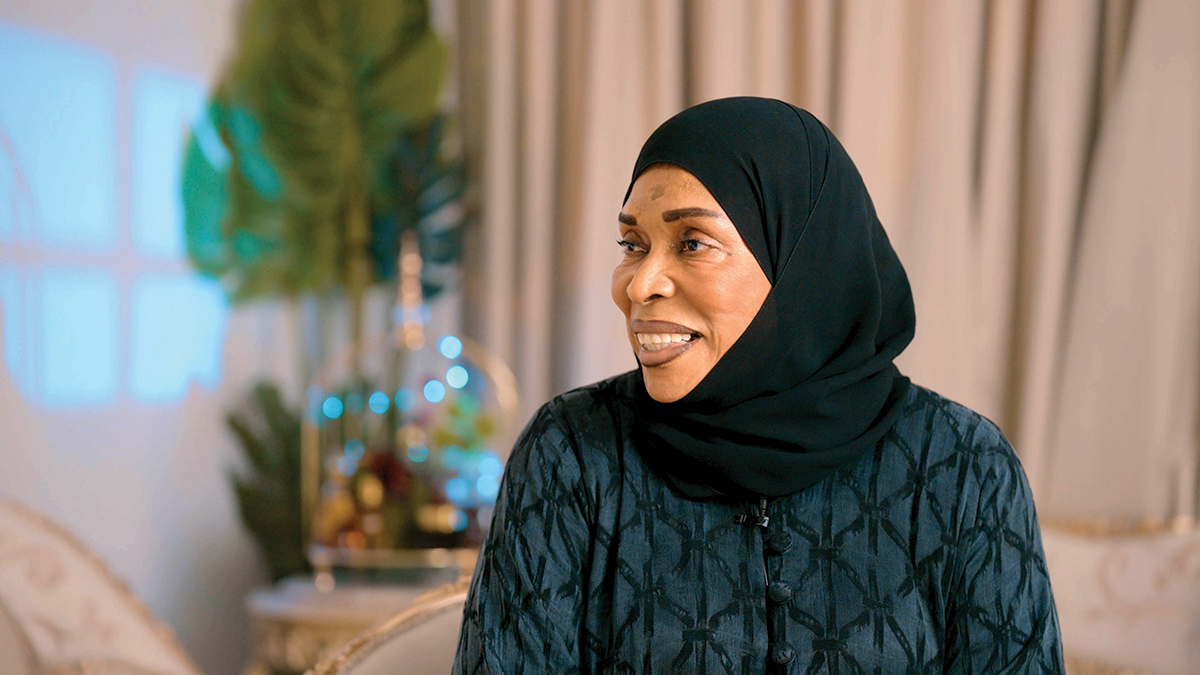

Jamila Al Zaabi: The First Emirati Paramedic Who Became “Mother of Ambulance”
Jamila Al Zaabi, recognized as the first Emirati paramedic, concluded a 36-year public service career that included 21 years on ambulances and 15 years overseeing a women’s correctional facility, according to an interview with Emirates Today. The healthcare pioneer received the nickname “Mother of Ambulance” from His Highness Sheikh Mohammed bin Rashid Al Maktoum, reflecting her frontline role and community impact.
From Neighborhood Roots to Frontline Service
Born and raised in a tight-knit neighborhood, Jamila Al Zaabi described herself as a simple citizen who grew up playing in the community and nurturing a lifelong desire to help others. Her dedication to service led her to emergency medical work at a time when women in the Gulf were taking new roles in public safety, making her an early example of women in emergency services in the United Arab Emirates.
Al Zaabi said she viewed emergency work not merely as a job but as a mission. Furthermore, officials and colleagues have noted that her commitment opened paths for other Emirati women to join paramedic teams, a shift that mirrors broader national efforts to diversify frontline professions.
Key Incidents That Defined Her Career
One defining moment in Jamila Al Zaabi’s career came during the 2008 Al Quoz fire, when an urgent call diverted her from attending a graduation ceremony for the first locally trained emergency medical technicians. She immediately reported to the scene and worked alongside civil defense, police, and municipal teams for nearly 18 continuous hours, according to the interview.
Additionally, Al Zaabi recounted the emotional challenges of treating victims and confronting difficult human stories in the field. In one case she described, a young driver caused a fatality and she instinctively comforted him the way she would her own child. That episode underscored the emotional labor of paramedics and the role of compassion in emergency response.
Leadership Beyond the Ambulance: Managing the Women’s Facility
After more than two decades in emergency medical services, Jamila Al Zaabi transitioned to manage a women’s correctional facility. She framed the move not as leaving ambulance work but as continuing the same mission in a new setting, applying lessons learned on the street to rehabilitation and care inside the institution.
In her tenure, detainees reportedly addressed her as “Mama,” reflecting a maternal approach to leadership that prioritized empathy and rehabilitation. Former staff and official reports suggest her management style emphasized dignity and personal engagement, which administrators say contributed to a more humane custodial environment.
Education, Family Support, and Personal Values
Al Zaabi completed formal emergency medicine education later in life while balancing work and family responsibilities. She credited strong support from her children and family as crucial to finishing her studies and advancing professionally. Her story highlights the importance of family encouragement for women pursuing late-career education and leadership roles.
She also emphasized values learned at home: respect for one’s country and for others, and a belief in complementary family roles. Those principles informed her public service ethos and helped shape her interactions with both colleagues and the people she served.
Recognition and Public Response
The nickname “Mother of Ambulance” was publicly bestowed by His Highness Sheikh Mohammed bin Rashid Al Maktoum during a visit to honor her service, a moment Al Zaabi described as one of the most meaningful of her life. The leader’s remarks, including “We are proud of you,” signaled national appreciation for frontline workers and reinforced public recognition of women’s contributions to emergency services.
Local media coverage and social responses to her retirement highlighted both gratitude and surprise at her decision to leave formal duty. Colleagues organized a farewell video and messages, and former detainees reportedly contacted her personally, illustrating the personal bonds she formed during service.
Legacy, the New “Positivity Club” and What Comes Next
Following retirement from official duties, Jamila Al Zaabi rejected the notion that her public service ended, calling her current phase a “new stage” rather than retirement. She launched an initiative she refers to as a “Positivity Club” to continue community engagement, focusing on well-being, mentorship, and sharing lessons from decades in public service.
Her legacy is likely to include increased visibility for Emirati women in emergency response roles and strengthened narratives about compassionate leadership in custodial settings. Policymakers and training institutions might cite her career when designing recruitment and retention programs for female first responders, according to analysts of Gulf public sector reform.
What Readers Should Watch Next
Readers should watch for follow-up programs from national health and public safety agencies that cite pioneers like Jamila Al Zaabi in recruitment campaigns or training curricula. Additionally, community outreach projects modeled on her “Positivity Club” could appear in local municipalities and non-profit initiatives within the next year.
As governments continue to professionalize emergency services and emphasize rehabilitation, the practical implications of Al Zaabi’s combined experience—field medicine and custodial leadership—may inform future policies on trauma care, staff welfare, and reintegration services.