







Digital Zakat Emerges as a Modern Model for Islamic Philanthropy
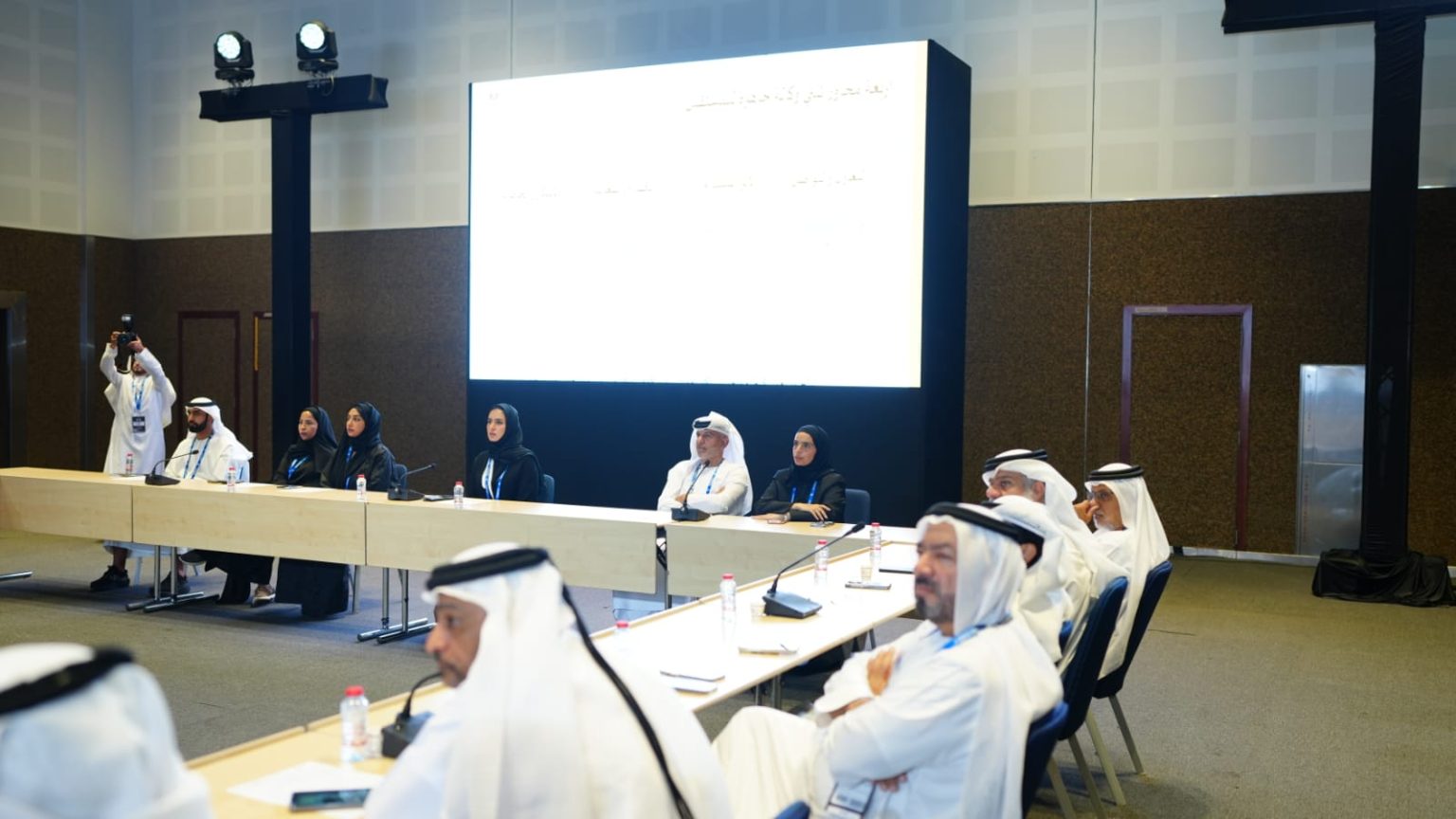
Dubai Charity announced a strategic shift toward digital zakat during DIHAD 2026, the Dubai International Humanitarian Aid and Development Conference, officials said. Ahmed Al Suwaidi, the association’s chief executive, outlined how digital zakat is being integrated with advanced tools at the charity’s headquarters in Dubai to increase reach, transparency and developmental impact.
The remarks came on the third day of DIHAD 2026, where Al Suwaidi presented the charity’s roadmap for combining traditional Islamic giving with contemporary financial and technological systems. He described initiatives that aim to streamline donations and expand services without proportionally increasing administrative costs.
Digital Zakat: A Scalable Model for Modern Giving
Al Suwaidi framed digital zakat not simply as a payment method but as a scalable systems approach that converts charitable funds into sustainable economic outcomes. According to his presentation, the charity treats zakat as an integrated economic ecosystem that supports beneficiaries beyond temporary relief.
Furthermore, the model focuses on two complementary tracks: direct microfinance and tools for small-scale producers, and investment in vocational and technical education for eligible families’ children. These measures aim to transition recipients from aid dependence toward becoming future contributors to zakat funds themselves.
Technology Tools Driving Donations and Transparency
Dubai Charity has piloted a range of digital tools, officials said, including smart donation boxes, a presence in virtual environments such as the metaverse, options for cryptocurrency donations, and the use of artificial intelligence for beneficiary services. These innovations are designed to simplify giving while preserving governance standards.
Al Suwaidi highlighted that digital systems allow donors to select projects precisely and track real-time progress through interactive reports. Therefore, donors can see the human outcomes of their contributions, which the charity believes strengthens the emotional and ethical connection between giver and recipient.
Financial Products and Everyday Giving
Among recent products is the Bashara card, described as the first integrated impact card of its kind in the United Arab Emirates. The card converts routine consumer spending into sustainable funding for development initiatives while enabling users to calculate and remit zakat and direct donations to chosen programs.
Economic Empowerment and Long-Term Impact
Officials said the charity’s approach moves beyond short-term support toward building productive capacities. Direct micro grants and equipment for family-run enterprises are paired with sponsorships for vocational training to increase employability and income stability.
In this way, sustainable zakat becomes a tool for economic inclusion and local development, rather than only a relief mechanism. Observers note that linking grants to skill development aligns with broader international development practices that emphasize livelihoods and market integration.
Governance, Scale and Cost Efficiency
Digital donation systems can process thousands of contributions instantly, Al Suwaidi noted, allowing geographic expansion without a proportional rise in overhead. This operational flexibility reportedly helps direct a larger share of funds to field activities while maintaining rigorous audit trails.
Moreover, the charity emphasizes digital tracking to reinforce transparency and governance. According to its officials, precise digital records and interactive reporting tools offer donors clear visibility into fund allocation and project outcomes, a key factor for institutional and individual contributors alike.
Context and Sector Implications
The convergence of Islamic philanthropic principles with digital finance reflects broader trends in the nonprofit sector, analysts say. Digital donation platforms, blockchain-based transparency tools and fintech products aimed at charitable markets are gaining traction globally as organizations seek efficiency and accountability.
Additionally, the integration of AI and virtual platforms raises operational questions about data privacy, equitable access and ethical use of predictive tools. The charity’s public statements acknowledge these issues and suggest ongoing evaluation as part of technology adoption.
Next Steps and What to Watch
Dubai Charity plans to expand its digital offerings in the months ahead, with follow-up activities expected after DIHAD 2026, according to Al Suwaidi’s remarks. Stakeholders should watch for pilot results on the Bashara card uptake, the scale of cryptocurrency contributions, and evaluations of vocational sponsorship outcomes.
Meanwhile, international partners at the conference expressed interest in replicable elements of the model, particularly the emphasis on measurable impact and donor-facing transparency tools. Therefore, the coming year may see more cross-border collaboration and knowledge exchange on sustainable zakat and charitable technology.
In conclusion, officials say the integration of time-honored Islamic charity practices with 21st-century tools presents a pragmatic route toward poverty reduction and social development. Observers should monitor published impact reports and regulatory updates to assess the long-term implications of digital zakat for humanitarian and development finance.