






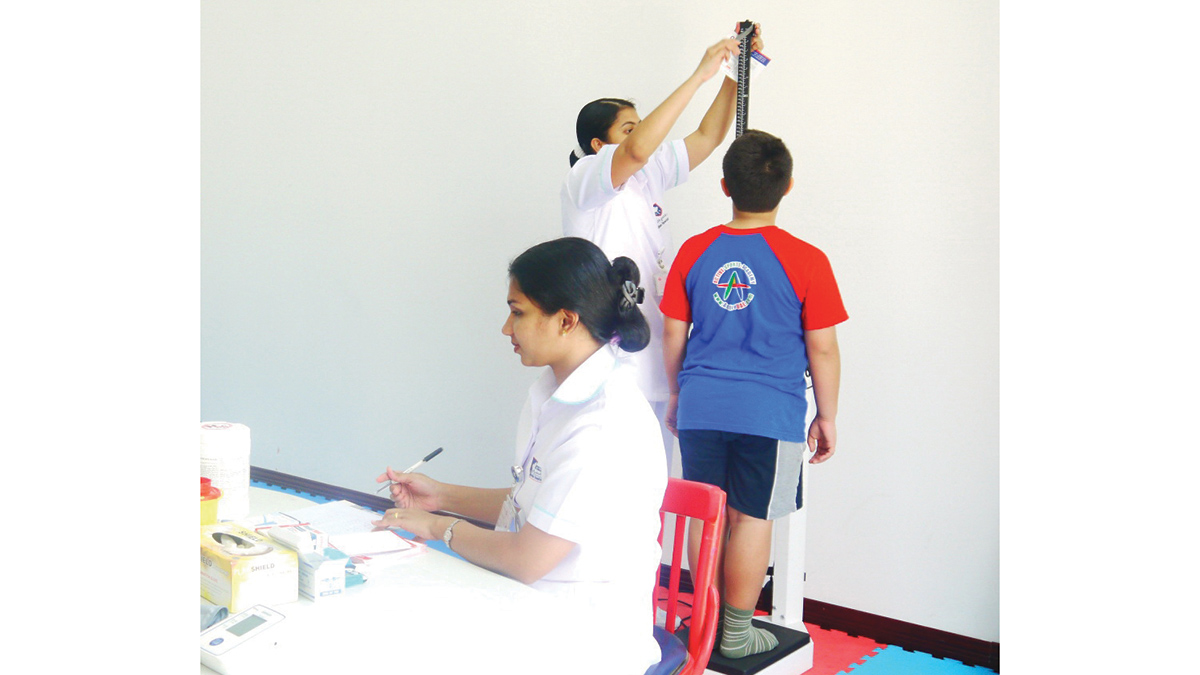

Back-to-school health check: seven priorities for students
Health experts say a comprehensive back-to-school health check is essential for students returning to classrooms, identifying seven key conditions that can affect learning, focus and academic performance. Doctors recommend screening in the weeks before term starts, in clinics and pediatric practices, to ensure children begin the academic year healthy and ready to learn.
Who: pediatricians, eye and ear specialists, dentists and nutritionists; What: routine screening for seven common issues; When and Where: during pre-term visits at local clinics or school health programs. Early detection, clinicians note, reduces the risk that minor problems will undermine concentration or classroom participation.
Back-to-school health check: the seven health issues to screen
Specialists emphasize seven primary concerns that should be part of any back-to-school health check: vision problems, hearing loss, sleep disorders and fatigue, iron deficiency and anemia, poor dental health, obesity, and musculoskeletal pain related to device use and inactivity. Each can begin with subtle signs yet have outsized effects on attention and memory.
Vision: According to ophthalmologist Dr. Ashwaq Bin Amr, children may not notice gradual declines in sight. Routine eye exams, including visual acuity and binocular vision checks, help detect issues before they affect reading and classroom learning.
Hearing: Pediatricians stress the value of early hearing screening. Dr. Farah Al-Sheikh Bakro said undiagnosed mild hearing loss can impede language development and classroom comprehension, especially in young learners who cannot verbalize symptoms.
Sleep and fatigue: Sleep problems, including insufficient sleep and disrupted sleep patterns, impair attention and mood. Experts urge families to address sleep routines before term starts to reduce morning headaches and daytime drowsiness.
Iron deficiency and anemia: Dr. Hani Al-Hindawi notes that iron deficiency may be clinically subtle but can lead to persistent tiredness and reduced cognitive stamina, affecting memory and school participation. Blood tests can identify deficiencies that benefit from dietary change or supplementation.
Oral health: Dentist Dr. Rawan Salem recommends routine dental checks rather than waiting for pain. Good oral hygiene and limiting sugary snacks help prevent cavities that can distract and cause missed school days.
Obesity: Nutritionist Dr. Sarah Khalid warns that childhood obesity carries immediate risks to physical and emotional wellbeing and long-term risks for cardiovascular and metabolic disease. Early intervention supports better energy levels and classroom engagement.
Musculoskeletal pain: Orthopedic specialist Dr. Hisham Abdullah describes the “tech neck” posture linked to excessive smartphone and tablet use. Poor posture and limited physical activity can produce neck and back pain that interferes with concentration and participation.
How early screening improves learning and focus
Early identification through a back-to-school health check allows targeted interventions that restore a child’s capacity to learn. For example, appropriate eyeglasses or hearing support can immediately improve classroom access, while treating iron deficiency can lift energy and cognitive function.
Educational outcomes are connected to health indicators, clinicians say. When interventions are timely, they limit downstream effects on language development, sleep regulation and classroom behavior. School nurses and pediatric practices play complementary roles in student health screening and follow-up.
Practical steps for parents and schools
Parents should schedule a comprehensive student health screening several weeks before classes resume. A basic checklist includes eye and hearing tests, a primary care visit to screen for anemia and weight concerns, a dental exam, and a review of sleep patterns and device use.
Schools can support families by providing clear information about recommended checks, arranging in-school screenings where feasible, and collaborating with local health services for referrals. Meanwhile, parents should encourage twice-daily tooth brushing, balanced meals that support childhood nutrition, and limits on sugary drinks and late-night screen time.
Behavioral steps are also practical: gradually shift bedtime earlier in the final weeks of summer, set device-free periods to restore posture and activity, and monitor for signs of persistent tiredness, headaches, or withdrawal that may warrant professional assessment.
Signs to watch for in the first term and next steps
Teachers and parents should be alert to changes that suggest an underlying health issue: frequent squinting, turning the head to hear, falling asleep in class, unexplained irritability, complaints of tooth pain, or complaints of neck and back discomfort. These indicators should prompt a prompt back-to-school health check or targeted referral.
If a screening identifies a concern, clinicians recommend a clear plan: corrective lenses or hearing aids when indicated, iron testing and dietary counseling, dental treatment, weight-management support, and physical therapy or ergonomic education for posture problems. Follow-up within weeks is essential to measure improvement.
Conclusion and what to watch next
With a focused back-to-school health check and cooperation between parents, schools and clinicians, many common barriers to learning can be prevented or treated before they impact the new term. Families should book screenings ahead of the first school day and watch for improvements in attention and energy after interventions.
Readers should watch for local school health program announcements and community clinic schedules in the coming weeks as health providers typically ramp up services before term start. Early action is likely to yield better health and better learning outcomes for students.