






Youth City 2030 highlighted during royal visit
King Hamad bin Isa Al Khalifa on a recent visit to Youth City 2030 underscored the Bahraini leadership’s emphasis on youth empowerment and skills development. The royal visit, welcomed by members of parliament and project officials, took place at the national youth centre and showcased the facility’s training programs and community initiatives.
The visit offered a direct meeting between the monarch and participating young people, allowing leaders to observe projects, review program outcomes and reaffirm official support for the initiative, according to parliamentary statements.
Youth City 2030 underscores royal focus on youth empowerment
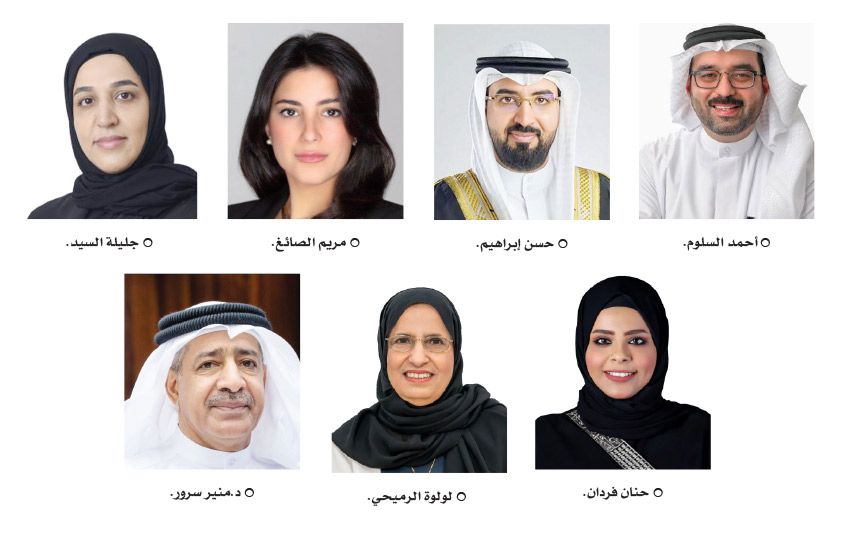
Lawmakers described the royal presence at Youth City 2030 as a clear sign of the government’s confidence in young Bahrainis as a strategic national resource. Ahmed Al-Salloom, head of the Financial and Economic Affairs Committee of the Council of Representatives, said the visit reflected a long-term policy of investing in human capital rather than a temporary campaign.
Officials noted that the centre delivers targeted training programs aimed at improving employability and entrepreneurship, and that investment in youth skills is expected to yield sustained returns for economic and social development.
Parliamentary praise and program impact
Several members of parliament praised the project’s track record. Hassan Ibrahim and other deputies highlighted that more than 9,000 young men and women have participated in city programs over recent years, reflecting strong demand for skills development and knowledge-based opportunities.
Project data cited by lawmakers indicate the initiative has provided 324 distinct training courses and nearly 10,000 varied training opportunities for participants. Therefore, parliamentarians said the centre contributes directly to preparing a workforce aligned with emerging sectors and market needs.
Leadership backing and institutional roles
Parliamentarians also acknowledged support from senior members of the royal family. They credited Crown Prince Salman bin Hamad Al Khalifa, the Prime Minister, for championing youth initiatives and praised Sheikh Nasser bin Hamad Al Khalifa, the King’s representative for humanitarian and youth affairs, for his role in promoting youth-led projects.
Lawmakers singled out Sheikh Khalid bin Hamad Al Khalifa for contributions to youth and sports sector development, and they commended sustained governmental efforts to expand participation pathways for young Bahrainis.
Why the visit matters for policy and practice
Observers said the royal visit carries symbolic and practical significance: symbolically as an endorsement of youth as active partners in national development, and practically as a signal that programming and funding for youth empowerment will remain priorities. The visit also underlines a generational transition theme, encouraging new cohorts to build on previous gains, officials said.
Parliamentarians emphasized that enabling environments, including legislative backing and targeted public programs, are essential for translating training into employment and entrepreneurship outcomes. Therefore, the council pledged continued support for laws and policies that expand access to training and create incentives for private-sector absorption of trained candidates.
Implications for young Bahrainis and the labour market
Policy makers framed the city’s work in terms of broader economic objectives: improving productivity, fostering innovation and supporting startup creation. These objectives align with national development plans that call for a diversified economy and a knowledge-based workforce.
More immediately, the centre’s combination of vocational paths, digital skills workshops and entrepreneurship modules is designed to give young people tangible qualifications and pathways to enter evolving job markets. Accordingly, officials said the expected benefit includes a larger pool of qualified candidates for emerging industries.
Next steps and what to watch
Parliamentary sources said the Council of Representatives will continue to back initiatives and legislation that strengthen youth participation in economic and civic life. In the short term, stakeholders will monitor the translation of training program graduates into employment and business startups as an indicator of success.
Readers should watch for forthcoming announcements on expanded partnerships with private employers and additional program rollouts at Youth City 2030. Officials indicated that tracking outcomes and scaling successful modules will be priorities in the months ahead.
In conclusion, the royal visit to Youth City 2030 reaffirmed Bahrain’s emphasis on youth empowerment as a strategic national priority. Moving forward, the effectiveness of the centre will be measured by its ability to convert training into sustainable careers and ventures, and by the legislative and institutional support that follows this renewed public endorsement.