



Qatar-Bahrain relations receive fresh attention after high-level phone call
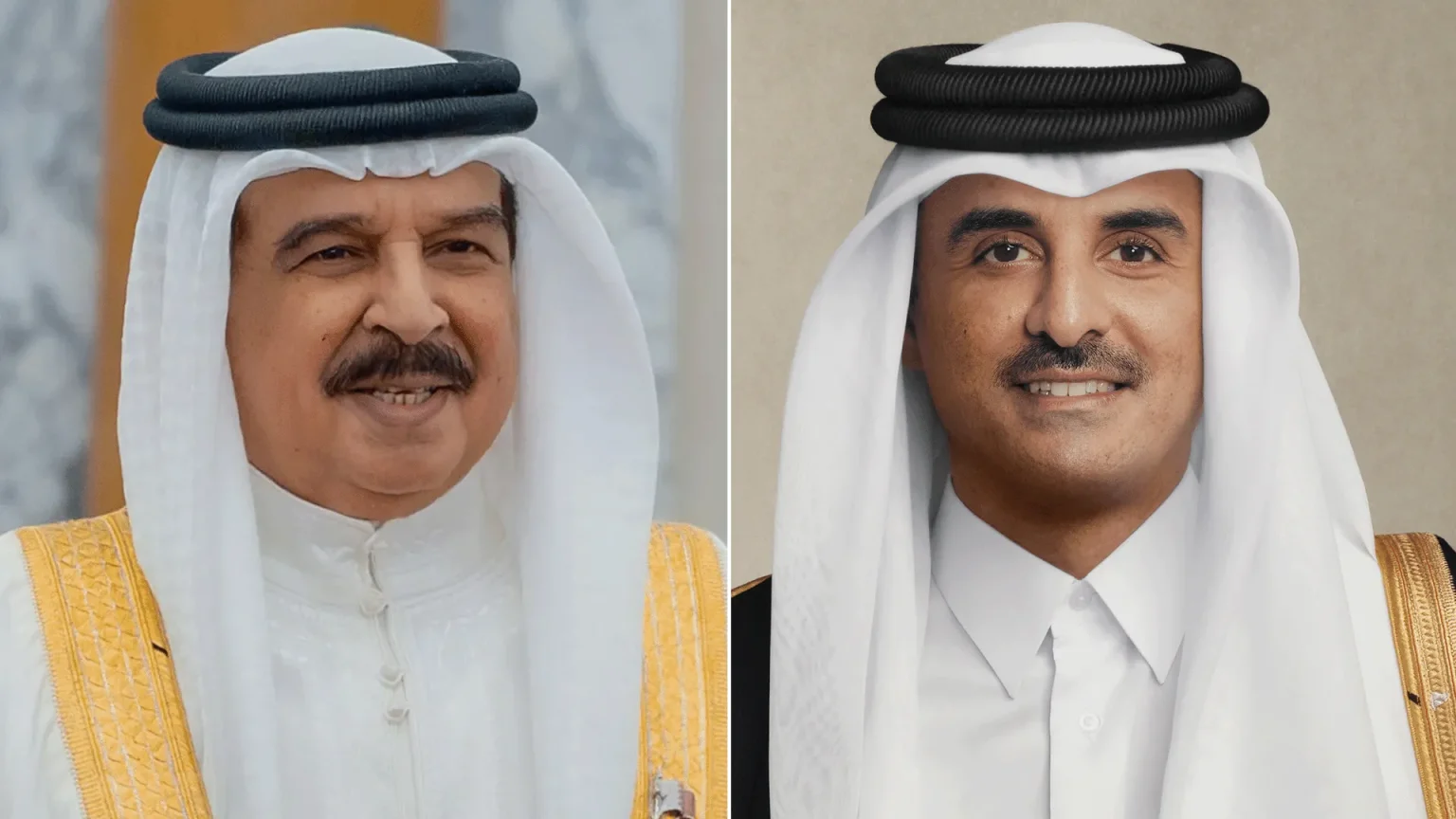
The Emir of Qatar received a telephone call from the King of Bahrain on Monday, a conversation that underscored evolving Qatar-Bahrain relations and bilateral cooperation, according to the Amiri Diwan. The brief exchange focused on strengthening ties across political, economic and social fields, and it took place against the backdrop of broader Gulf engagement efforts.
Who called whom and what was discussed
Emir of Qatar Sheikh Tamim bin Hamad Al Thani answered a call from King of Bahrain Hamad bin Isa Al Khalifa on Monday, the Amiri Diwan stated. During the call, both leaders reviewed the state of bilateral ties and discussed ways to support and enhance cooperation in various sectors.
Officials said the phone conversation also covered regional and international matters of mutual interest. Furthermore, the exchange was described as part of routine high-level coordination between close neighbors in the Gulf region.
Qatar-Bahrain relations: details of the phone call
According to the Amiri Diwan, the leaders emphasized practical steps to deepen collaboration in trade, investment and people-to-people exchange. The call highlighted ongoing efforts to build on existing agreements and to identify new areas for cooperation that serve the interests of both countries.
Additionally, the two sides signalled support for institutional channels that facilitate follow-up work, with government ministries and economic bodies expected to coordinate on implementation. The statement did not offer a detailed agenda, but it indicated a shared interest in expanding joint initiatives.
Regional and international topics addressed
Beyond bilateral matters, the call touched on regional and international issues that concern both states, the Amiri Diwan said. While officials did not provide a full list, such conversations typically cover security, stability and developments affecting the Gulf Cooperation Council.
Observers note that Gulf leaders often use phone diplomacy to align positions on crises and to prepare for multilateral meetings. Therefore, the call may serve as a preparatory step for upcoming regional discussions or summits where coordinated Gulf responses are sought.
Economic cooperation and strengthening bilateral ties
Trade, investment and energy cooperation were mentioned as priority areas, reflecting the pragmatic focus of Qatar-Bahrain relations. Economies in the region increasingly seek greater integration, and the leaders signalled an interest in expanding commercial links and facilitating private-sector engagement.
Furthermore, the conversation is likely to prompt follow-up by economic ministries and chambers of commerce to translate political will into actionable projects. In particular, business communities on both sides will watch for initiatives that reduce barriers to trade and encourage joint ventures.
Implications for Gulf cooperation and diplomatic coordination
The phone call reinforces a pattern of regular communication among Gulf leaders and may contribute to closer coordination within the Gulf Cooperation Council framework. Enhanced bilateral ties can facilitate collective responses to shared challenges, according to regional analysts.
Meanwhile, the exchange may also reflect an interest in preventing misunderstandings and sustaining the post-2021 normalization momentum that reshaped diplomacy in the Gulf. Therefore, steady dialog at the leadership level is likely to continue as a mechanism for managing both bilateral and regional issues.
Context and background
Diplomatic relations between Qatar and its neighbors underwent a period of strain in recent years, and efforts at reconciliation have been followed by a gradual increase in official contacts. The current phone call fits into a broader pattern of renewed engagement among Gulf states aimed at economic recovery and political coordination.
Additionally, the leaders’ decision to keep channels open aligns with ongoing priorities to protect trade flows, energy projects and regional stability. Policy experts say that routine high-level exchanges help maintain momentum on joint initiatives without necessitating immediate public disclosure of sensitive details.
What to watch next
Readers should watch for follow-up statements from relevant ministries and for meetings between economic and diplomatic officials in both capitals. Next steps are likely to include targeted working groups or ministerial briefings that translate the leaders’ intent into specific programs.
Furthermore, any scheduled multilateral meetings involving Gulf Cooperation Council members may reflect the coordination signalled in this call. Therefore, observers should monitor official schedules and communiqués in the coming weeks for developments that build on this exchange.