






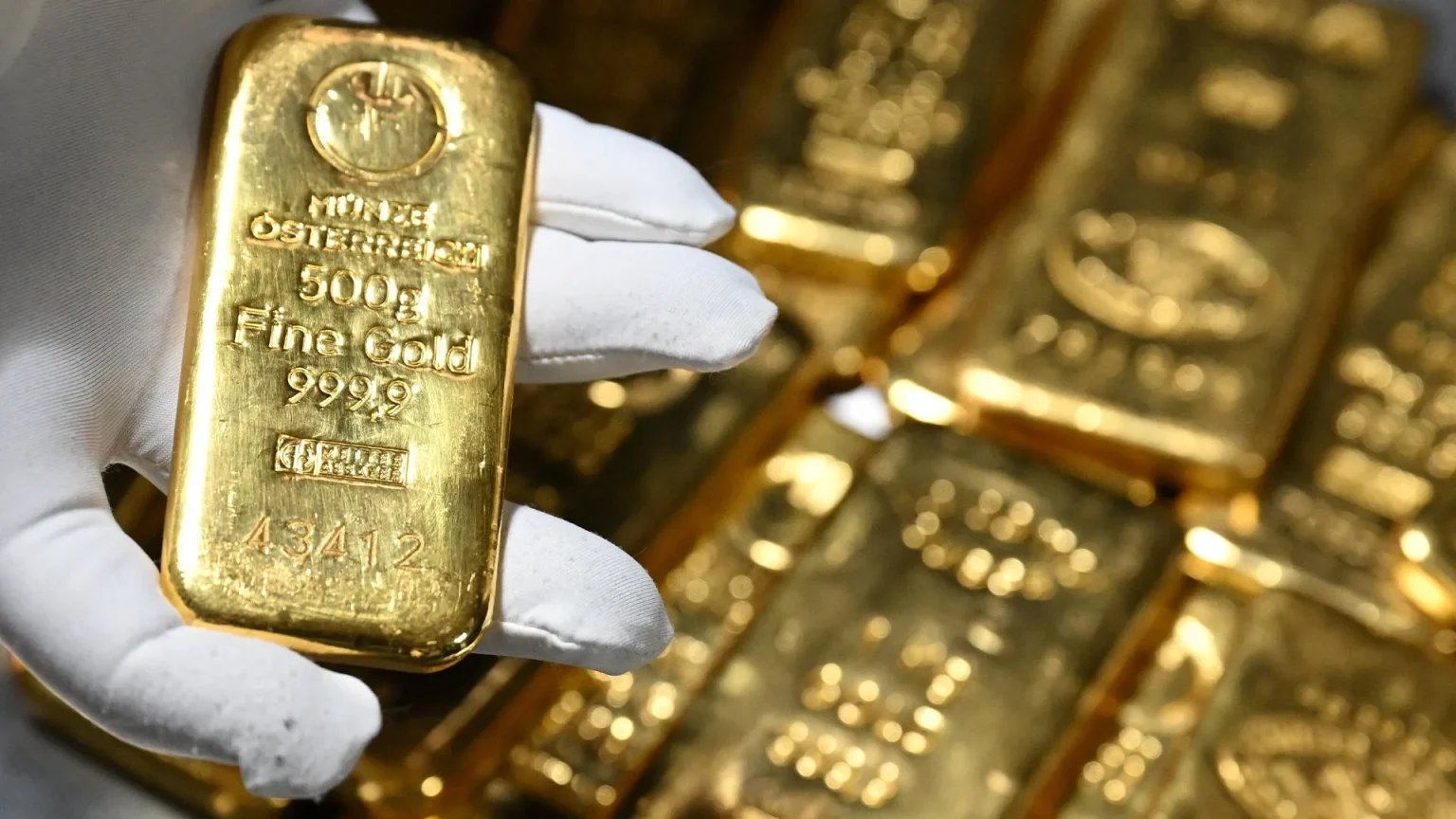

Rising geopolitical tensions, notably renewed escalation between the United States and Iran in mid-2026, have pushed investors back toward gold, reversing some earlier weakness. According to the World Gold Council, total gold demand in the first half of 2026 reached 2,522 tonnes, worth roughly $380 billion, as buyers sought a safe-haven asset amid market volatility. Gold demand is again driven by central bank buying and retail hedging strategies.
Data released by the World Gold Council show global demand stabilised in the second quarter at 1,269 tonnes, while central banks added 289 tonnes to official reserves in H1 2026, a 62 percent year-on-year jump. Investment flows flagged mixed signals: exchange-traded and bar investment fell to 262 tonnes in the first half, but the council expects a rebound in the second half.
Gold demand trends in 2026
Central bank buying has been the defining feature of gold demand so far this year, with 45 percent of surveyed central banks indicating plans to increase holdings over the next 12 months, according to the World Gold Council. Furthermore, governments in major economies continue to view gold as a tool to diversify reserves and reduce reliance on any single currency.
Meanwhile, retail investors shifted preferences from ornamental jewellery toward bars and coins, reflecting a structural move toward assets that preserve purchasing power. Therefore, demand patterns show a growing emphasis on long-term reserve accumulation and short-term safe-haven buying.
Monthly price moves and market drivers
Gold prices have experienced sharp swings in 2026. The metal touched record highs in January, surged in reaction to early-year demand, and then fell sharply in late February after military escalation in the Gulf prompted broad market disruption. Prices dropped again through March and April alongside portfolio rebalancing and liquidity needs in some regions.
By late spring, the market found a new floor amid central bank communications and an elevated US interest-rate environment. Movements from May to June marked the year’s low point near $3,950 per ounce, as policymakers signalled a pause in rate adjustments. However, late July saw a one-day rebound of around 2 percent after a Federal Reserve decision to keep policy rates unchanged, lifting spot prices above $4,050 per ounce.
Central bank buying and investment flows
Central bank buying, a primary secondary keyword driver, accounted for a large share of H1 purchases. Official institutions added 289 tonnes to reserves, indicating strategic accumulation not seen at this pace since earlier multi-year cycles. Analysts say the shift reflects both diversification policies and a desire to hedge currency exposure in an uncertain geopolitical environment.
Why central banks are buying
Central banks have cited reserve diversification and long-term financial stability as reasons for accumulation. In addition, several countries are pursuing policies to strengthen the link between national currencies and tangible assets, and gold provides a non-sovereign, liquid instrument for that purpose.
Investment demand diverged from central bank trends. Retail and institutional investors reduced holdings in gold-backed funds and bars during the first half, citing profit-taking and liquidity needs, which pushed investment flows down to 262 tonnes. Nevertheless, the World Gold Council projects investment demand could lead the second-half recovery to roughly 966 tonnes if risk sentiment deteriorates or rates stabilise.
Analyst views, geopolitical risks and outlook
Market-watchers attribute recent buying to the resurgence of geopolitical risk in the Middle East and concerns about the global interest-rate path. Mohammad Abu Ghosh, an industry expert in gold trade, told analysts that gold remains a primary measure to preserve value amid currency uncertainty since the end of the gold standard in 1971.
Experts note a broader strategic trend: major economies such as China, India and Russia have been increasing official and unofficial gold holdings for several years. Consequently, long-term demand patterns point to sustained support for prices, even if short-term volatility persists.
Financial institutions have pencilled in different scenarios for the rest of 2026. Some large banks see upside toward the high-$4,000s per ounce if geopolitical tensions intensify or if real interest rates fall. Investors remain divided on the timing and scale of a sustained rally, but many anticipate a gradual recovery rather than abrupt spikes.
Implications for investors and markets
For investors, the near-term picture requires balancing safe-haven exposure with liquidity needs. Therefore, gold can serve as a hedge against extreme market stress while central bank buying supports a price floor. Meanwhile, commodity traders and portfolio managers will monitor interest-rate communications, central bank purchases, and geopolitical developments for cues.
Supply-side considerations also matter: secondary market flows and recycling can temper price swings, but large official purchases reduce available market supply and can amplify moves on the upside in stressed conditions. Therefore, observing central bank announcements and official reserve disclosures will be critical.
Conclusion and what to watch next
Gold demand in 2026 has been reshaped by central bank accumulation and renewed geopolitical risk, producing a market that is resilient but volatile. Over the next quarter, market participants should watch central bank reserve reports, World Gold Council updates, and any escalation or de-escalation in the Middle East for signals of further price direction.
Authorities and investors alike will also track investment flows into funds and bars, as a reversal in the second half could accelerate price recovery. The next World Gold Council update and monthly central bank reports are the most likely near-term milestones to influence gold trajectories into late 2026.