






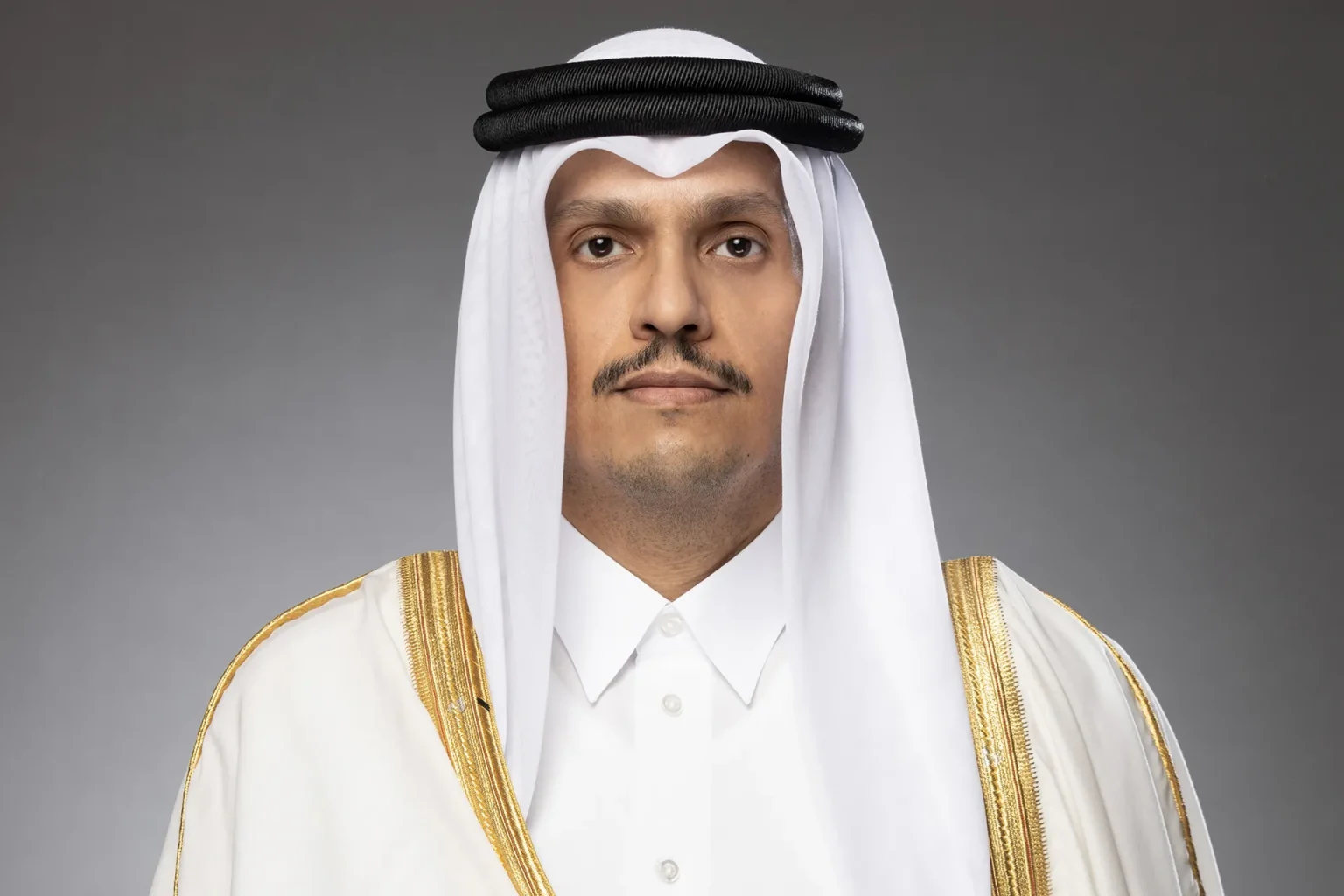

Qatar foreign minister calls Saudi, Jordan and Kuwait counterparts
On Sunday, February 8, 2026, Qatar’s prime minister and foreign minister, Sheikh Mohammed bin Abdulrahman Al Thani, held separate telephone conversations with the foreign ministers of Saudi Arabia, Jordan and Kuwait. The Qatar foreign minister calls focused on strengthening bilateral cooperation and on coordinated diplomatic efforts to reduce regional tensions, according to statements from the Qatari Ministry of Foreign Affairs.
The ministry said the discussions reviewed recent regional developments and emphasized continued diplomatic engagement. Officials noted that the talks reiterated support for multilateral dialogue and the implementation of agreed measures under a memorandum of understanding between the United States and Iran, including guarantees for freedom of navigation in the Strait of Hormuz.
Diplomatic agenda and immediate priorities
During the calls, ministers discussed both bilateral ties and broader security concerns that affect the Gulf and Levant. Qatar highlighted its interest in sustaining open channels of communication with Riyadh, Amman and Kuwait City to manage crises and prevent escalation, the ministry stated.
Furthermore, the conversations addressed ongoing efforts to de-escalate tensions and to coordinate diplomatic responses. The participants emphasized that diplomacy and dialogue remain the preferred tools for conflict resolution and stability, and they committed to continuing contact as situations evolve.
Coordination on regional security and freedom of navigation
Officials said the talks reviewed measures to preserve maritime security and commercial shipping lanes, a topic linked to the memorandum of understanding between the United States and Iran. Qatar underscored the importance of guaranteeing freedom of navigation in the Strait of Hormuz to maintain economic stability in the region.
Regional security was discussed alongside practical steps to avoid miscalculation and to protect civilian maritime traffic. Therefore, the calls included coordination on information sharing and diplomatic outreach aimed at reducing the risk of incidents that could escalate into broader confrontation.
Implications for Gulf diplomacy and trilateral ties
The series of phone calls reflects continuing Gulf diplomacy efforts to foster consensus among neighboring capitals. Qatar has in recent years positioned itself as a mediator and interlocutor; officials said the latest contacts are intended to sustain momentum toward collective de-escalation and to preserve diplomatic gains.
Meanwhile, analysts suggest that regular ministerial engagement can help align diplomatic messaging and expedite crisis-management mechanisms. Furthermore, Qatar’s outreach to Saudi Arabia, Jordan and Kuwait signals a preference for coordinated regional platforms over unilateral actions when addressing shared security risks.
Secondary economic and political considerations
Beyond security, ministers reportedly touched on avenues for enhancing trade, energy cooperation and humanitarian coordination. The Qatari ministry highlighted that maintaining stable trade routes and uninterrupted energy exports is central to economic resilience across the Gulf and Levant.
Therefore, sustaining diplomatic channels that protect commercial interests and civilian livelihoods remains a key policy objective for all parties involved.
What officials said and how statements were framed
The Qatari Ministry of Foreign Affairs issued separate statements summarizing each call and stressing the mutual commitment to dialogue. According to the ministry, Sheikh Mohammed reiterated Qatar’s full support for efforts aimed at defusing tensions and achieving a comprehensive agreement that promotes lasting peace in the region.
Statements carefully framed cooperation in terms of diplomacy and mutual security priorities rather than operational military measures. As a result, the tone of the communiqués emphasized negotiation, adherence to international norms and the protection of civilian maritime navigation.
Next steps and what to watch
Officials indicated that follow-up contacts and continued multilateral engagement are expected in the near term. Observers should watch for joint statements from the involved ministries and any coordinated initiatives addressing maritime security or diplomatic channels with external actors, including the United States and Iran.
Furthermore, upcoming regional meetings or foreign minister-level gatherings could provide venues to formalize agreed measures. Therefore, the pace and content of future communications will be important indicators of whether these calls translate into concrete confidence-building steps.
Analysis: potential outcomes and regional outlook
While phone calls are not in themselves policy changes, consistent diplomatic outreach can help prevent misinterpretation and maintain lines of crisis management. Gulf diplomacy that emphasizes de-escalation and freedom of navigation could stabilize trade flows and reduce the likelihood of accidental confrontation.
However, the effectiveness of such efforts will depend on follow-through, transparency and the willingness of external parties to honor commitments under related agreements. Accordingly, stakeholders and analysts will be gauging subsequent moves, official communiqués and any practical measures that enhance maritime security and regional stability.
Conclusion and immediate timeline
The Qatar foreign minister calls on February 8, 2026, signal renewed regional coordination on diplomatic channels and maritime security. Readers should watch for joint statements, ministerial follow-ups and any participation in multilateral forums over the coming weeks that aim to translate dialogue into actionable measures.
In the short term, expect further diplomatic exchanges and possible coordination meetings to refine practical steps on freedom of navigation and crisis management. Therefore, the next fortnight will likely reveal whether these conversations lead to concrete mechanisms that reduce regional tensions and support long-term stability.