



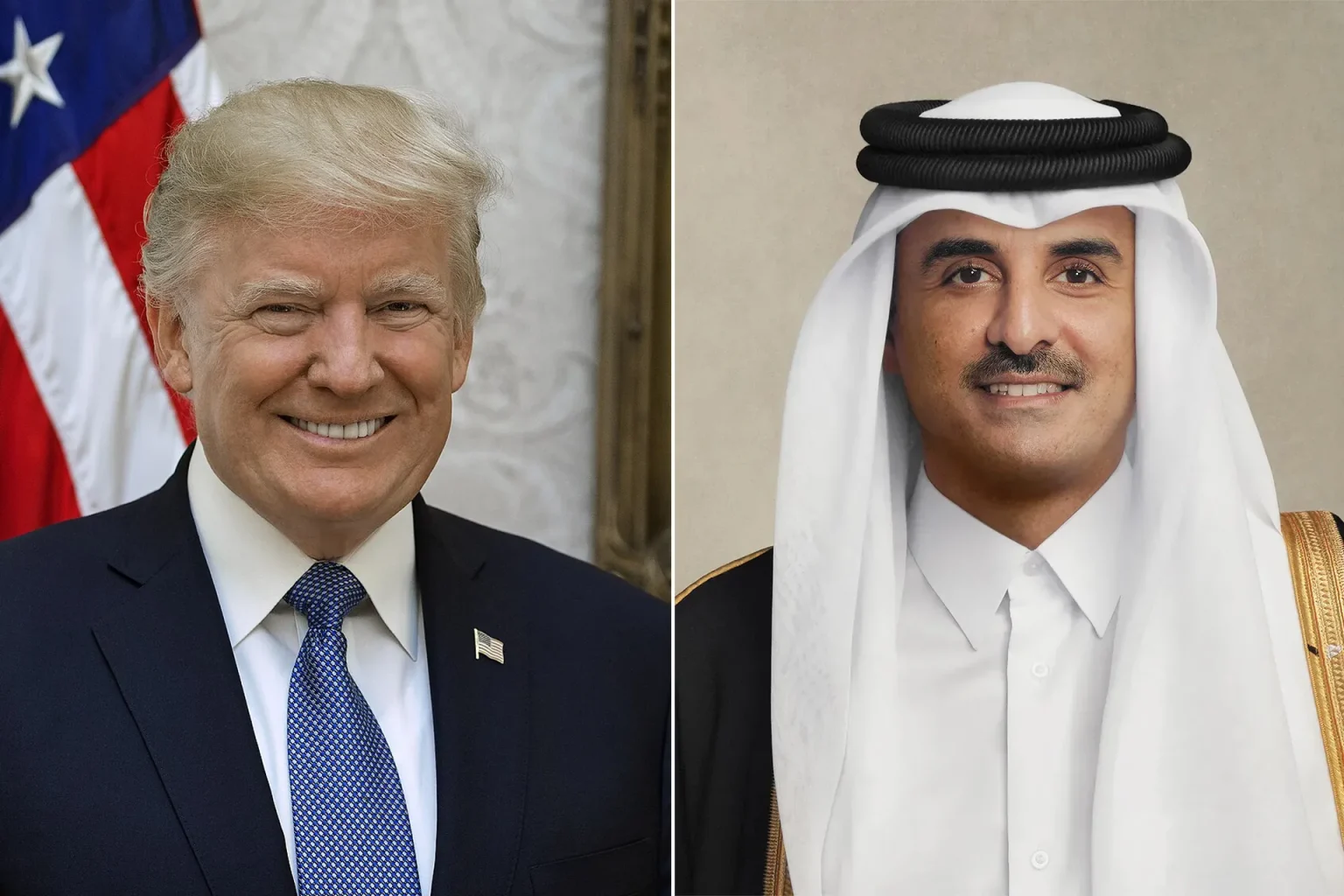

Qatar diplomatic role highlighted in April 8 phone call
On April 8, 2026, Qatar’s Emir Sheikh Tamim bin Hamad Al Thani received a telephone call from U.S. President Donald Trump to discuss efforts to reduce tensions between the United States and Iran, according to a statement from the Amiri Diwan. The call, which focused on advancing diplomatic channels and lowering regional escalation, underscored Qatar diplomatic role as a mediator in sensitive negotiations.
According to the Amiri Diwan, the leaders examined avenues for a sustainable diplomatic settlement and reaffirmed the importance of continued dialogue. President Trump praised Qatar’s facilitation of diplomatic pathways, while the Emir stressed the need to prioritize negotiations and adherence to previously agreed understandings between Washington and Tehran.
Details of the April 8 phone call
The Amiri Diwan’s statement said the conversation addressed the latest regional developments and emphasized measures to de-escalate tensions. Officials noted the discussion included the memorandum of understanding between the United States and Iran and the need for all parties to respect commitments outlined therein.
During the call, both leaders agreed on the value of ongoing coordination and consultation on regional and international developments. Furthermore, President Trump acknowledged Qatar’s role in supporting diplomatic mediation, and the Emir reiterated Doha’s preference for resolving disputes through peaceful means and sustained dialogue.
How Qatar diplomatic role fits into broader mediation efforts
Qatar diplomatic role has repeatedly surfaced in recent years as capitals seek intermediaries capable of engaging multiple parties simultaneously. Analysts said Doha’s unique diplomatic channels and relationships across the region make it a practical interlocutor for back-channel talks and shuttle diplomacy.
Therefore, Qatar’s facilitation efforts are seen as one tool among many to reduce US-Iran tensions and reopen diplomatic avenues. Additionally, Qatar’s position hosting foreign delegations and its track record of mediating regional disputes contribute to its perceived effectiveness, according to diplomatic sources and regional analysts.
Implications for US-Iran tensions and regional stability
The phone call signals a preference for diplomatic solutions to the US-Iran standoff, which has raised concerns about wider instability. If Qatar diplomatic role helps bridge differences, it could lower the risk of escalation that would affect neighboring states and global energy markets.
However, officials cautioned that mediation is complex and contingent on reciprocal commitments from all parties. The Amiri Diwan noted the importance of international initiatives aimed at containing tensions and strengthening peace and security, while diplomats emphasized that progress depends on sustained engagement and verification mechanisms.
Coordination and next steps
Both sides agreed on the need to continue consultations on shared regional interests, according to the Amiri Diwan. In practical terms, that may include additional diplomatic contacts, follow-up meetings between envoys, and continued monitoring of adherence to the memorandum of understanding referenced during the call.
Observers indicated that further multilateral engagement—potentially involving European and Gulf partners—could complement Qatar’s mediation efforts and create a broader support network for any diplomatic breakthrough.
Background: Doha’s history as a mediator
Qatar has frequently acted as a conduit for talks between rival regional actors and Western governments, hosting negotiations and facilitating exchanges that might be difficult to arrange elsewhere. This history contributes to perceptions of Doha as a credible interlocutor for de-escalation and dialogue.
Nevertheless, analysts warn that mediation does not guarantee immediate results. Diplomatic mediation often requires time, parallel confidence-building measures, and clear incentives for compliance. Furthermore, the success of such initiatives typically depends on sustained commitment from primary actors and the presence of impartial monitoring.
What to watch next
Moving forward, observers should watch for scheduled follow-up contacts between U.S. and Qatari officials, any public statements from Tehran responding to the call, and indications of expanded multilateral engagement. The timeline for tangible breakthroughs is uncertain, but continued communications and third-party facilitation are likely near-term indicators to monitor.
In conclusion, the April 8 phone call highlighted Qatar’s continuing diplomatic utility in a volatile regional context. If Qatar diplomatic role helps maintain momentum for talks and supports adherence to agreed measures, it could contribute to easing US-Iran tensions and reinforcing regional stability. Readers should watch for subsequent diplomatic exchanges and official updates from the Amiri Diwan and other involved capitals in the coming weeks.