



Hamad bin Khalifa’s Legacy in Chinese Coverage
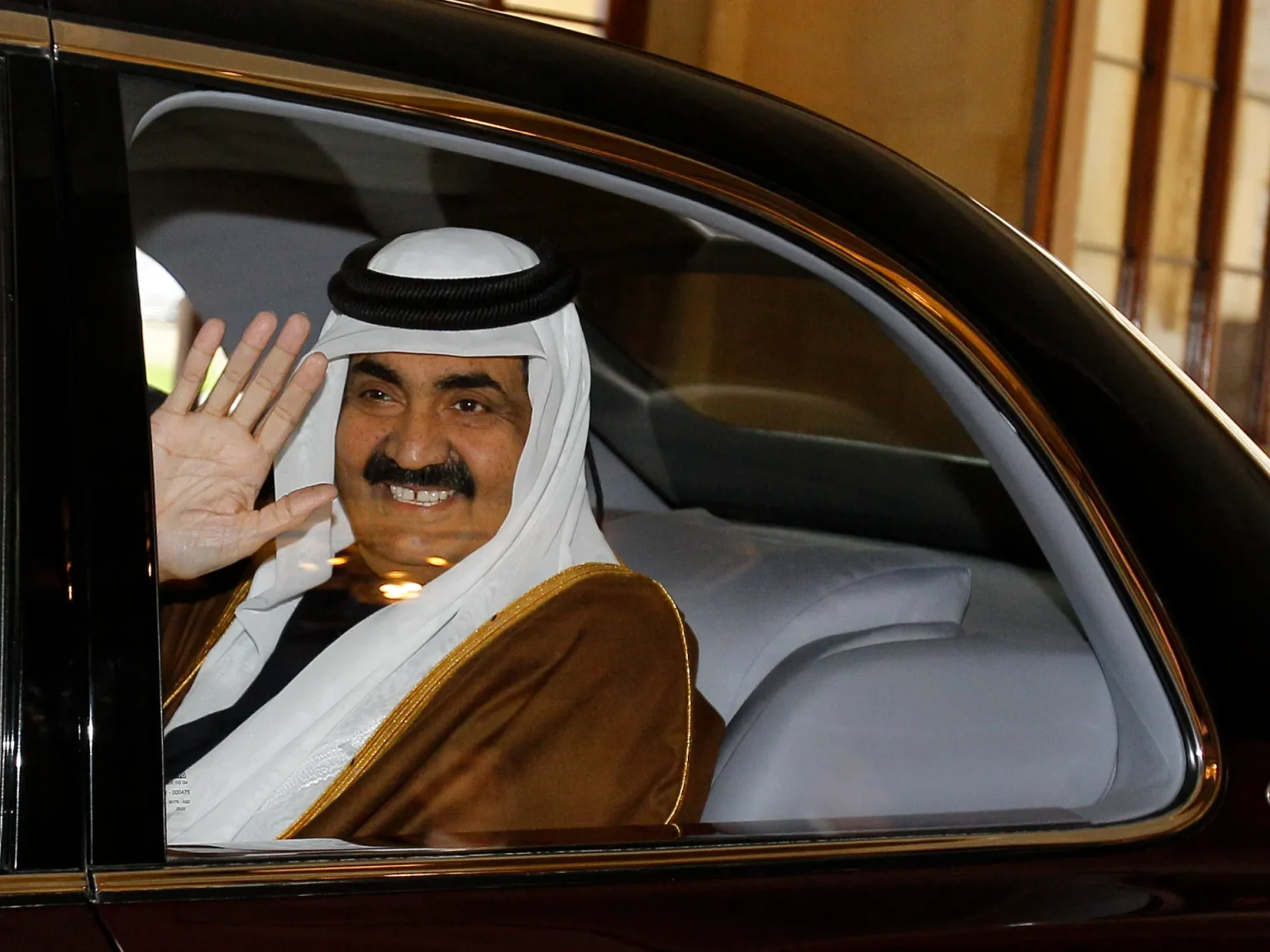
Chinese media prominently reported the death of Hamad bin Khalifa Al Thani on July 14, 2026, noting the former emir’s role in transforming Qatar into a wealthy, globally engaged state. Xinhua and major Chinese outlets cited an announcement from Doha’s royal court that Hamad, who ruled from 1995 until he ceded power to his son in 2013, died at the age of 74.
Initial coverage was succinct in state outlets but expanded in analytical pieces. South China Morning Post and independent platforms provided longer retrospectives that framed Hamad’s tenure around energy expansion, strategic investment and the creation of media and sporting platforms that raised Qatar’s international profile.
How Chinese Outlets Framed the News
Xinhua placed the story in a formal, protocol-oriented context, relaying the official announcement and basic biographical details, according to the agency’s dispatches that were widely republished in China. Therefore, early reports focused on who he was and the timeline of his rule rather than interpretive analysis.
Meanwhile, Chinese analytical outlets offered broader readings. The South China Morning Post described Hamad as the architect of modern Qatar, tracing the country’s shift from a small Gulf state to a leading exporter of liquefied natural gas and a high per-capita income economy. The Paper and other commentaries emphasized institutional projects initiated under his rule, including the sovereign investment apparatus and strategic cultural investments.
Main Keyword: Hamad bin Khalifa and Qatar’s Economic Transformation
Under Hamad bin Khalifa’s leadership, Qatar consolidated its role in global energy markets, particularly by expanding liquefied natural gas production. Analysts in China linked that energy buildup to a dramatic rise in national wealth and the creation of one of the world’s largest sovereign wealth funds, which invested broadly across banking, infrastructure and cultural assets.
These investments, Chinese reports suggested, underpinned Qatar’s ability to punch above its weight diplomatically and economically. Additionally, media coverage underlined how Doha used energy revenues to build physical and soft-power platforms that included major media outlets and high-profile sporting events.
Media, Sports and Nation Branding
Chinese outlets noted Al Jazeera’s founding in 1996 as a pivotal step in Doha’s international outreach. The network was portrayed as a deliberate instrument of soft power that increased Qatar’s visibility and influence in regional and global debates. Furthermore, press analyses linked media expansion to Qatar’s broader diplomatic strategy.
Reports also highlighted Qatar’s successful bid to host the 2022 FIFA World Cup, describing it as the culmination of a long-term plan to use sport for international visibility. Coverage framed the tournament as an example of how state-led investments can reframe a country’s global image, even as discussions about logistics and politics accompanied the reporting.
Vision and Institutions
Commentators in China referenced Qatar National Vision 2030, launched in 2004, as a guiding framework for long-term economic and social development. The vision was discussed in connection with efforts to diversify the economy, invest in human capital and leverage sovereign wealth for strategic asset purchases abroad. Therefore, Chinese readers were presented with a narrative of deliberate state-led modernization.
Diplomatic and Strategic Implications for Qatar-China Relations
Chinese coverage connected Hamad bin Khalifa’s strategies to Qatar’s expanding diplomatic role, including mediation efforts and engagement with diverse global actors. Analysts observed that Doha’s independent foreign policy under Hamad created openings for partnerships across Asia, Europe and the Middle East, and this included growing ties with Beijing in energy and infrastructure.
Energy cooperation and investment links were highlighted as pillars of Qatar-China relations. Chinese outlets underscored long-standing LNG trade and pointed to mutual interest in infrastructure and financial partnerships, with Doha’s investment footprint in global markets seen as supportive of continued economic collaboration with China.
Reactions and the Narrative Focus in China
The tone of Chinese responses combined factual reporting with interpretive obituaries that emphasized state-building achievements over contentious political choices. Reports largely focused on development indicators, strategic investments and institution building rather than detailed critiques of domestic policy or regional politics.
Officials in Beijing had, at the time of initial reports, not issued extended public statements beyond standard condolences that typically follow such announcements. Observers in China said they would watch for official Chinese messaging and any continuation of bilateral energy and investment initiatives under Qatar’s current leadership.
What Comes Next and What to Watch
As coverage evolves, analysts advise monitoring several items: official Qatari announcements about funeral arrangements and succession protocol, any formal Chinese diplomatic response in the coming days, and potential reaffirmations of ongoing energy and investment agreements. In addition, observers will be watching how Chinese media assess the continuity of Qatar’s external strategy under the current emir.
Furthermore, tracking statements from Qatar Investment Authority counterparts and energy partners may indicate whether Doha’s global investment and trade patterns will shift following this moment of national transition. Therefore, readers should expect continuing analysis in Chinese and international outlets as more details and reflections emerge.