






Global responses to the death of Sheikh Hamad bin Khalifa Al Thani
Sheikh Hamad bin Khalifa Al Thani, the former Emir of Qatar, died on Sunday at about 74 years old, prompting an outpouring of international condolences and memorial prayers. The death of Sheikh Hamad bin Khalifa Al Thani has led to official mourning in Qatar and commemorative events in several countries, according to embassy statements and government officials.
Memorial prayers and condolences in Indonesia and Lebanon
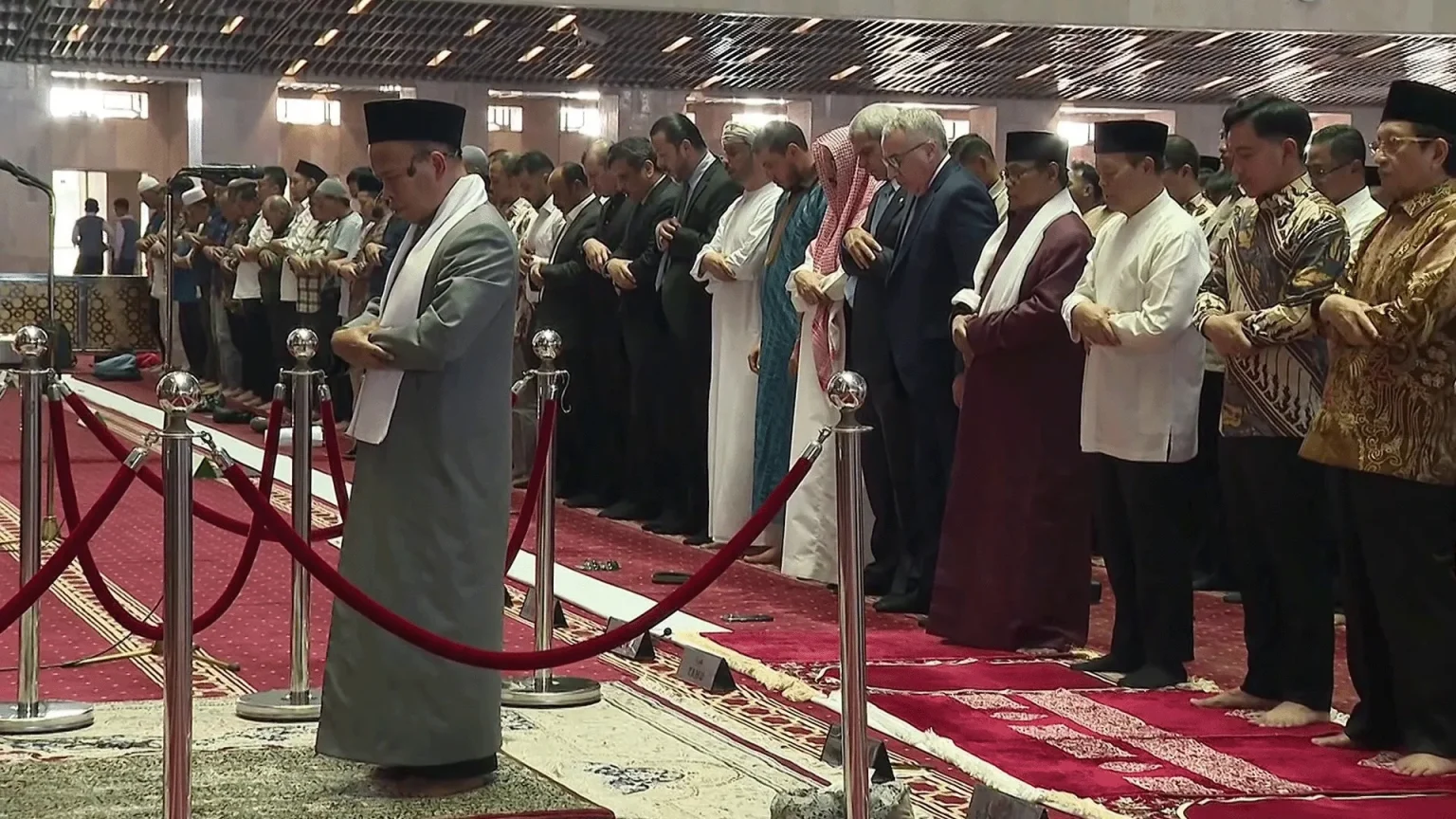
In Jakarta on Tuesday, Indonesian officials and community members held a funeral prayer in absentia for Sheikh Hamad bin Khalifa Al Thani. The Indonesian Minister of Religious Affairs, Nasruddin Umar, conveyed condolences to the Qatari government and people, saying the late emir played a notable role in promoting peace and left a positive global legacy, officials said.
In Central Java, residents in Batang attended a prayer service where religious leaders recalled the late emir’s contributions to regional and international issues. Local imams described his efforts as extending across borders to help resolve communal and humanitarian problems, participants said.
In Beirut, the Qatari embassy received diplomats, senior officials and former ministers who offered condolences to Qatar’s diplomatic staff. Former Lebanese prime minister Fouad Siniora, Education Minister Rima Karam and other senior figures paid their respects, praising the late emir’s role in elevating Qatar’s international profile and supporting reconstruction and dialogue initiatives.
Regional tributes and projects linked to the late emir
Officials and civic groups across the region highlighted concrete projects associated with the late emir’s period of leadership. In Gaza, a municipal condolence gathering in Khan Younis recalled major development efforts linked to Qatar, including a housing development known as Hamad City, road projects such as Salah al-Din Street, and a prosthetics manufacturing facility, local organizers said.
Lebanese leaders pointed to Qatar’s mediation efforts and reconstruction assistance, including diplomatic engagement after the 2006 conflict and hosting Lebanese dialogue sessions that contributed to political settlements, according to statements from visiting officials. These references underscored a pattern of Qatar acting as a mediator in regional disputes during the late emir’s tenure.
Legacy in diplomacy and development
Analysts and officials noted that the late emir was widely credited with reshaping Qatar’s diplomatic reach and establishing the country as a mediator in regional crises. The death of Sheikh Hamad bin Khalifa Al Thani renews attention on his initiatives in mediation, state-building and international development, analysts said.
Lebanese commentators emphasized Qatar’s role in facilitating negotiations and reconstruction efforts. Former ministers described the late emir as instrumental in fostering a pragmatic diplomatic approach that combined financial support with shuttle diplomacy, a mix that strengthened Qatar’s influence in the Arab world without overt military involvement, observers added.
Official mourning and state arrangements in Qatar
The Amiri Diwan announced four days of national mourning beginning Sunday, with flags lowered and government offices closed for several days, a statement released by state authorities indicated. Official work in ministries and public institutions was suspended and is scheduled to resume on Sunday, July 19, 2026, the statement said.
For the second day following the death, Qatar’s current Emir, Sheikh Tamim bin Hamad Al Thani, received additional foreign leaders and dignitaries in Doha who traveled to offer condolences, officials reported. The government has signaled that formal funeral arrangements and state ceremonies will follow established protocol, and authorities are coordinating the participation of visiting delegations.
International diplomatic reactions
Diplomats and foreign representatives who visited the Qatari embassy in Beirut or paid respects in Doha described the late emir’s influence as extending beyond bilateral ties. A U.S. envoy in Beirut noted that the late emir had strong links with Lebanon and had elevated Qatar’s international standing through active diplomacy and humanitarian support, the envoy said.
Across Asia and the Middle East, embassies and religious centers hosted memorials and moments of silence, reflecting a broad regional recognition of the late emir’s diplomatic and development footprint. Officials emphasized continuity in Qatar’s foreign relations under the current emir while mourning the loss of a leading national figure.
What to watch next
State protocols and detailed funeral plans are expected to be announced in the coming days by the Qatari authorities, and observers will watch for the timetable of public ceremonies and international delegations attending state events. Media and diplomatic channels are likely to publish official lists of participants and programs for national commemoration.
Meanwhile, governments and organizations that benefited from Qatar’s mediation or development projects may issue further statements reflecting on long-term partnerships. Readers should watch for statements from the Amiri Diwan and the Qatari foreign ministry for authoritative details on the state mourning schedule and funeral arrangements.