




Qatar denies participation in military action
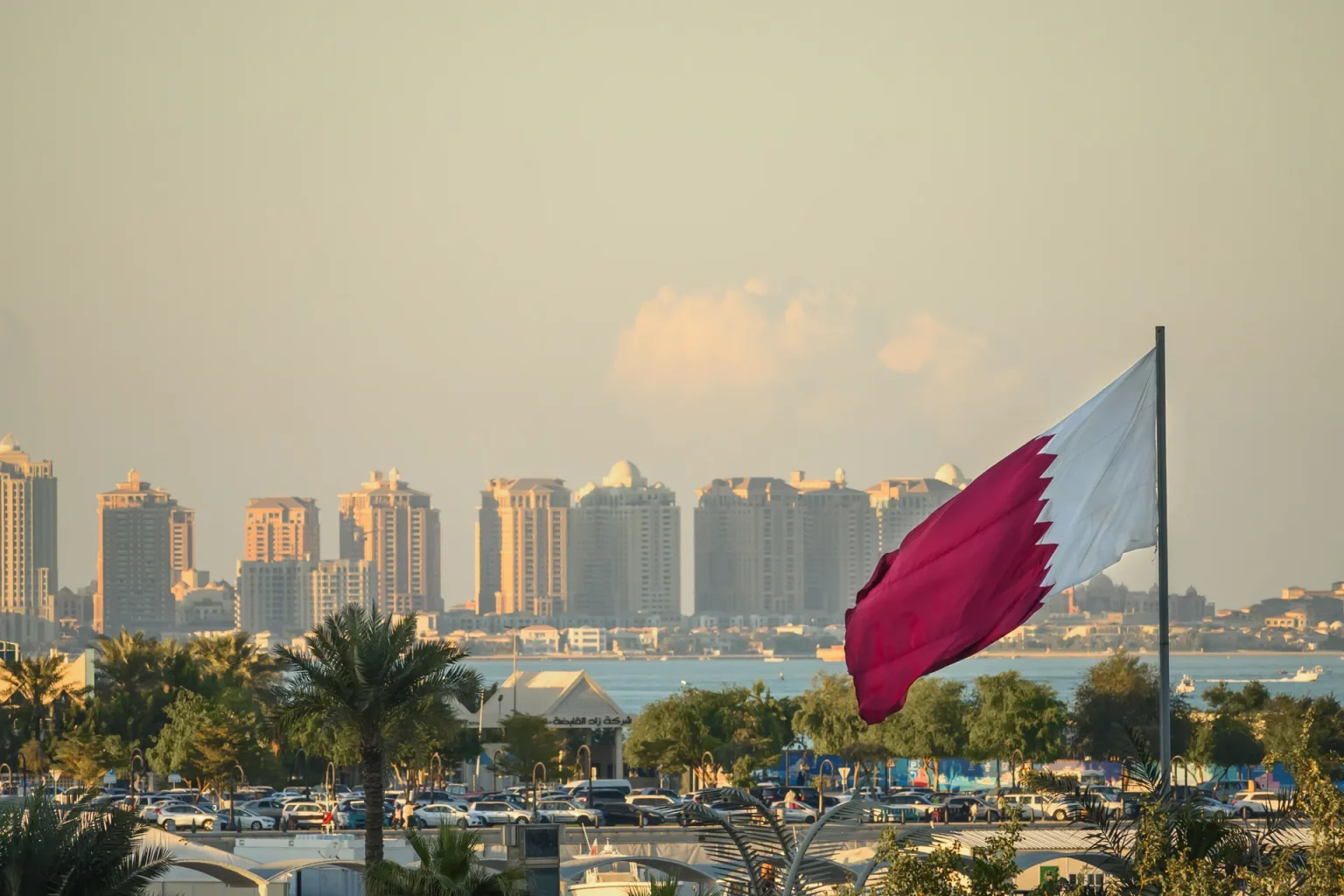
On Thursday, July 16, 2026, Qatar formally rejected Israeli media reports claiming it had approved participation in a military operation against Iran. The Qatari International Media Office called the reports false and reiterated that Doha will not engage in military actions targeting neighboring states, reaffirming its long-standing policy of non-involvement in regional hostilities.
Details of Doha’s rebuttal
The International Media Office issued a statement characterising the reports as baseless and the product of actors seeking to draw Qatar into the conflict, according to the office. Officials said the allegations aim to undermine Qatar’s role as a mediator and to stoke further escalation across the region.
Meanwhile, the Qatari Foreign Ministry reiterated in a separate communiqué that Qatari authorities have consistently stated they will not participate in military action against any neighbouring country. The ministry emphasised that Doha rejects misleading narratives that could derail ongoing diplomatic work.
Context: Qatar’s diplomatic mediation and Gulf diplomacy
Qatar has for years positioned itself as a regional interlocutor and facilitator of dialogue, often engaging in diplomatic mediation between adversaries, diplomats say. Therefore, Qatar’s denial aligns with its public record of prioritising negotiation over confrontation, particularly during the recent U.S.-Iran hostilities where international actors sought political solutions.
Furthermore, analysts note that Gulf diplomacy frequently relies on perceived neutrality, and allegations of military alignment risk eroding that standing. In contrast, Qatari officials have repeatedly stressed a pragmatic approach focused on stabilising the region through diplomacy rather than force.
Why the denial matters for regional stability
The rebuttal matters because public claims of state involvement in military operations can rapidly alter strategic calculations and provoke retaliatory measures, experts said. Qatar’s swift denial is intended to prevent misperceptions that could escalate tensions and complicate ongoing diplomatic channels aimed at de-escalation.
Additionally, the statement underscores Doha’s interest in preserving avenues for mediation. According to the office, Qatar will continue coordinating with regional and international partners to pursue a comprehensive, sustainable arrangement that addresses the concerns of all parties.
Reactions and potential diplomatic implications
Regional capitals and international stakeholders will likely monitor the situation and official records for corroborating evidence. If the disputed reports persist or are amplified, they could pressure Qatar to issue further clarifications or to present documentary rebuttals to preserve its mediator credentials.
Furthermore, relations between Gulf states, Israel, the United States and Iran are sensitive to shifts in perceived alliances. Therefore, continued emphasis on diplomatic mediation and transparent communication may reduce the risk of miscalculation and preserve channels for negotiation.
How international actors have positioned themselves
So far, neither the Israeli reports nor the Qatari denial have been independently corroborated by third-party governments in public statements, leaving the matter mainly in the realm of media claims and official rebuttals. Observers recommend careful verification and restraint in public rhetoric to avoid exacerbating the conflict dynamics.
Meanwhile, Qatar’s diplomatic partners have reiterated the value of sustained dialogue and de-escalation efforts, reflecting a shared interest in preventing the spread of violence and in maintaining regional stability.
What this means for ongoing mediation efforts
Qatar’s denial seeks to protect its capacity to serve as an intermediary in complex negotiations, particularly those involving the United States and Iran. The statement indicates that Doha intends to continue using diplomatic mediation to work toward a peaceful resolution and has no intention of abandoning that role.
Therefore, preserving credibility is central to Qatar’s approach; any perceived military involvement would undercut its ability to act as a neutral facilitator in talks aimed at securing a ceasefire or negotiated settlement.
Next steps and what to watch
Observers should watch for follow-up statements from the Qatari Foreign Ministry and the International Media Office, as well as any responses from the media outlets that originally published the reports. Official clarifications from third-party governments or independent verification by credible news organisations would also be significant.
Furthermore, attention should focus on whether Doha increases public diplomacy efforts, issues documentary rebuttals, or engages in shuttle diplomacy with key regional and international partners to shore up support for its mediation role.
Conclusion: Forward-looking outlook
Qatar’s categorical refusal to join military action, and its prompt rebuttal of the reports, reinforce its stated commitment to diplomacy and regional stability. Going forward, the international community will likely evaluate subsequent statements and actions to determine whether Doha’s neutral mediator role remains intact.
Readers should watch for further official communications and any independent corroboration in the coming days, which will indicate whether the matter subsides or prompts additional diplomatic consequences.