






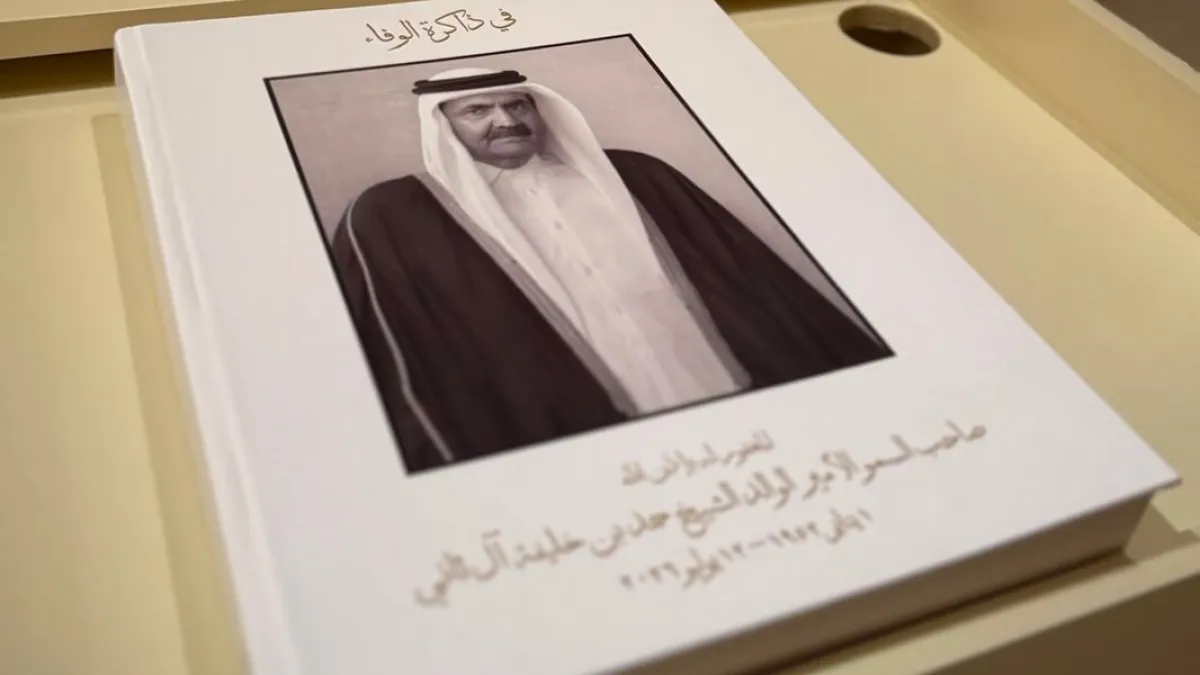

Qatar Museums reopens with condolence books
Qatar Museums reopened its institutions to the public on July 17, 2026, after a temporary closure from July 12 to July 16 during a period of national mourning for the late former Emir Sheikh Hamad bin Khalifa Al Thani. Qatar Museums said it has made condolence books available at several sites so visitors can record messages of sympathy and remembrance.
Who, what, when and where
The closure followed the death of Sheikh Hamad bin Khalifa Al Thani and respected the national mourning period declared by Qatari authorities. Museums that resumed operations include the Museum of Islamic Art, the National Museum of Qatar, Mathaf: Arab Museum of Modern Art, and the 3-2-1 Qatar Olympic and Sports Museum, officials said. Condolence books are open during normal opening hours to allow members of the public to offer written tributes.
Condolence books and public participation
According to Qatar Museums, the condolence books are intended as a civic gesture of respect and a way to capture public reflections on a leader widely credited with shaping the country’s modern cultural landscape. Visitors are asked to write messages, memories, and reflections, and staff will preserve those records as part of institutional archives. Furthermore, the museums have signposted the locations of the books and provided guidance to visitors to ensure orderly participation.
Institutions hosting condolence records
The Museum of Islamic Art and the National Museum of Qatar are among the principal venues where condolence books are on display, with Mathaf and the 3-2-1 Qatar Olympic and Sports Museum also hosting registers. Qatar Museums noted on its Instagram account that these institutions were established or expanded under the leadership of Sheikh Hamad and that offering condolence books is an expression of national gratitude for his support of cultural development.
Meanwhile, museum staff emphasized that the registers are not ceremonial only but part of an effort to document public sentiment. Visitors told museum officials they appreciated the opportunity to leave personal remarks, and the institutions plan to conserve the books as a historical record in accordance with archival practices, the statement indicated.
Cultural legacy and historical context
Qatar Museums, founded in 2005 during the tenure of the former Emir, has overseen the development of major cultural sites across Doha and beyond. The organization’s portfolio includes the Museum of Islamic Art and Mathaf, both of which have been key to Qatar’s cultural diplomacy and to fostering regional artistic exchange. Therefore, the role of these museums during the national mourning period underscores their civic as well as cultural functions.
Observers note that public memorials and condolence books at cultural institutions are consistent with practices in other countries where museums serve as sites of collective memory during moments of national transition. Additionally, keeping the registers available during working hours allows a broad cross-section of society to participate, from residents and expatriates to visiting tourists, which officials said helps reflect the diversity of public response.
Operational details and visitor guidance
Qatar Museums has stated that condolence books will remain accessible throughout regular opening hours, and staff at each site will assist visitors who wish to contribute. Museum management also encouraged visitors to follow any onsite instructions and to check official channels for updates on opening hours and guided programs, given the possibility of adjustments related to ongoing national events.
Visitors can find further information through Qatar Museums’ official website and social media platforms, where the organization has posted notices about reopening and the availability of condolence registers. For convenience, many institutions are offering information desks and signage to guide those wishing to leave messages of condolence.
Implications for cultural programming
In the short term, some cultural programs and events may be adapted out of respect for the mourning period, according to statements from museum officials. Programming adjustments are being managed on a case-by-case basis as curators and administrators balance commemorative activities with regular exhibitions and education services. Therefore, audiences should expect some schedule changes and check institution-specific announcements before visiting.
Longer term, the public registers and attendant archival decisions may inform future exhibitions or public initiatives that examine the former Emir’s influence on Qatar’s cultural institutions. Scholars and curators often use primary-source public remembrances to contextualize leadership legacies and societal responses, the report indicates.
What to watch next
In the coming days, observers should watch for official announcements regarding any state commemorations, archival plans for the condolence books, and adjustments to museum programming announced by Qatar Museums. Additionally, cultural institutions may publish summaries or curated responses derived from the condolence registers as part of future exhibitions or digital archives, officials suggested.
For visitors planning to contribute to the condolence books, check Qatar Museums’ official channels for the latest opening times and visitor guidelines. The registers will remain a public record of a period of national mourning and may offer material for historians, curators, and the community as they consider the cultural legacy of Sheikh Hamad bin Khalifa Al Thani.