







Strait of Hormuz attacks mark renewed maritime risk after June memorandum
At least five vessels were targeted near the Strait of Hormuz since a memorandum of understanding between the United States and Iran was signed on June 17, an open-source analysis indicates. The Strait of Hormuz attacks, concentrated in late June and early July, involved four energy tankers and one cargo ship and prompted other vessels to turn back or disable automatic identification systems while transiting the Omani route.
Who was hit and when the incidents occurred
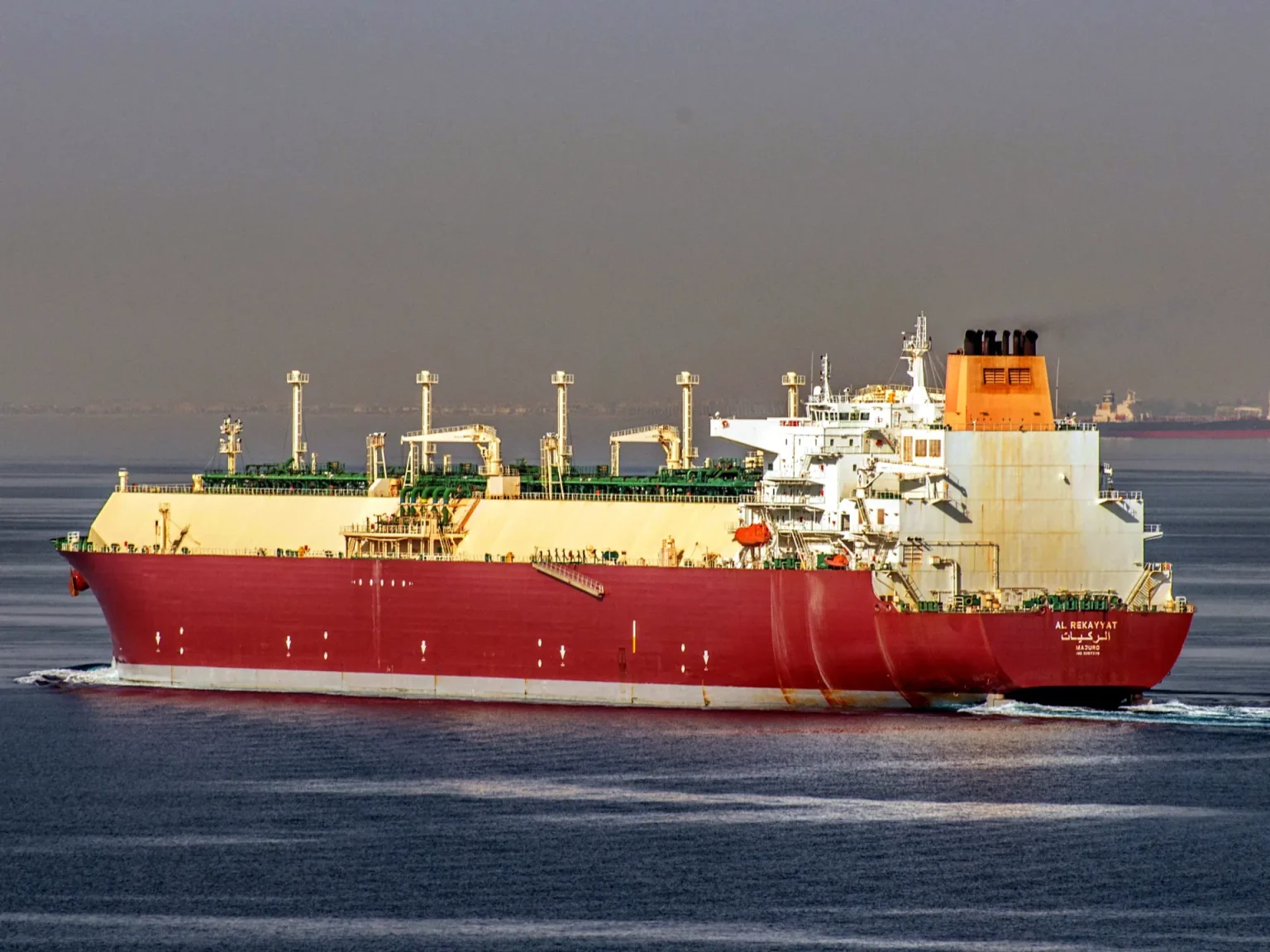
U.S. Central Command reported that three tankers were struck in a single day, naming Qatar’s liquefied natural gas carrier Al Rekayyat, the Saudi oil tanker Wedyan, and the Liberian-flagged Cyprus Prosperity. Satellite imagery and maritime-tracking data reviewed by an open-source unit corroborate multiple incidents concentrated around the entrance to the Strait and in the adjacent Gulf of Oman.
Earlier episodes in late June included attacks on the container ship Ever Lovely and the oil tanker KIKU, which was carrying Gulf crude to Fujairah, according to shipping-data provider Kepler. The British maritime agency that monitors merchant shipping reported that one vessel was struck on its port side, causing a fire but no reported casualties or pollution in that instance.
Ships targeted and wider shipping responses
The vessels hit included LNG carriers and crude oil tankers, highlighting the vulnerability of energy shipments in the corridor. MarineTraffic tracks show gaps in the reported positions of some affected ships prior to the incidents, while other ships adjusted course and aborted planned transits after the attacks.
In the hours and days following the most recent strikes, several tankers — including Lila Vadinar and Prestige Pride — reversed course after entering the Omani route and others rerouted via the Iranian side of the passage. Three Qatari LNG carriers bound for Ras Laffan reportedly altered their tracks in the Arabian Sea and returned to port instead, according to Kepler’s vessel movement data.
Maritime security measures and the AIS blackout problem
Following the attacks, open-source tracking revealed coordinated automatic identification system (AIS) blackouts: at least eight ships switched off transponders while passing the Omani route and reappeared later in the Gulf of Oman. This AIS blackout behavior reflects a growing trade-off for ship operators between transparency for safety and insurance compliance, and secrecy to reduce exposure to potential strikes.
Shipping companies now face a dilemma: broadcast position and risk becoming a target, or blackout and risk loss of insurance coverage and port access. Meanwhile, some operators are requesting naval escorts or altering insurance and route planning to mitigate the elevated risk to both LNG carriers and conventional crude tankers.
Regional reactions and international accusations
Qatar condemned the assault on the Al Rekayyat and described the attack as an assault on international navigation and the security of global energy supplies. Saudi Arabia’s Ministry of Foreign Affairs issued a strong denunciation of strikes on the Saudi vessel Wedyan and urged Iran to cease actions that threaten the region’s maritime safety, according to official statements.
Washington has publicly attributed several incidents to Iranian action or proxies, while Tehran has not consistently claimed responsibility for individual strikes, according to official statements and U.S. military reports. The pattern of incidents has prompted renewed diplomatic and security consultations among affected states and maritime stakeholders.
Why the Strait of Hormuz attacks matter for global energy and trade
The concentrated risk in and near the Strait of Hormuz matters because the waterway channels a significant share of the world’s seaborne oil and liquefied natural gas exports. Disruption or higher transit risk raises freight rates, insurance premiums and market volatility, even when the shipping lanes are not fully closed.
Analysts say the incidents effectively raise the cost and complexity of moving hydrocarbons from Persian Gulf export terminals to Asian and European markets. Therefore, an uptick in strikes or persistent targeting of the Omani route could have knock-on effects on fuel prices and supply chains beyond the immediate region.
Operational and legal implications for shipping companies
Commercial carriers must now weigh operational exposure against commercial imperatives. Some operators have shifted cargoes to alternative hubs, delayed sailings, or increased security protocols aboard vessels, while underwriters reassess war-risk premiums for transits. Furthermore, port states and regional navies are reviewing rules for escorts, convoy procedures and reporting requirements.
Legal questions about liability, responsibility for damages and the adequacy of maritime warnings are likely to follow, particularly for ships whose AIS data shows unexplained gaps prior to an attack. International guidance from organizations that monitor merchant shipping will be closely watched by insurers and charterers.
Outlook: what to watch next in the Strait of Hormuz
Expect monitoring of shipping patterns, insurance notices, and diplomatic statements to be key indicators in the coming weeks. Shipping routes and the prevalence of AIS blackouts will be important signals of industry response, while any formal investigations or attribution by credible agencies could trigger policy shifts or additional naval deployments.
Finally, traders and energy market participants will monitor whether the incidents remain isolated or evolve into a sustained campaign that affects transit volumes. For now, the Strait of Hormuz attacks have not closed the waterway, but they have made each passage a higher-risk decision for shipowners, insurers and states involved.