








Saudi Arabia AI partnership
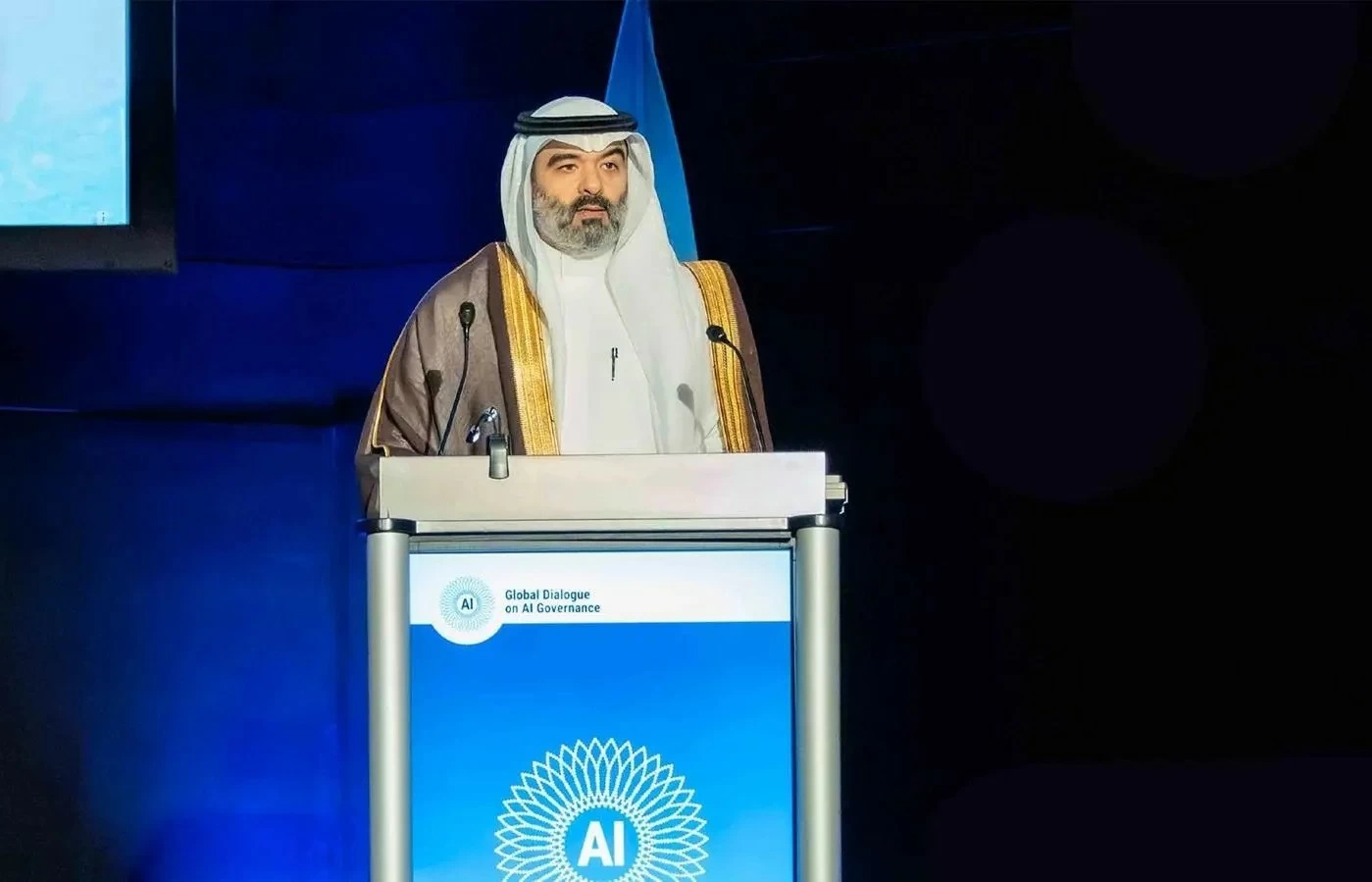
From Geneva, Saudi officials called on countries to join a Saudi Arabia AI partnership to help close gaps in artificial intelligence capacity, officials said. The appeal, delivered during a series of diplomatic and technical meetings earlier this week, urged international collaboration on governance, research and skills development.
The initiative seeks to harness public and private expertise to address uneven AI adoption and to support safe deployment practices. Meanwhile, the Saudi Ministry of Communications and Information Technology indicated it would work with global partners to coordinate funding, standards and training efforts.
International collaboration and AI governance
Saudi officials framed the proposal as an invitation to deepen international collaboration on AI governance and ethics. According to the ministry, the effort aims to align regulatory approaches, share best practices, and develop interoperable standards that can reduce risks associated with advanced systems.
Furthermore, the call emphasized multilateral engagement, including technical cooperation through existing bodies and new bilateral agreements. In that regard, the proposal is positioned as complementary to ongoing global conversations led by the United Nations and other international organizations.
Capacity building to address technology gaps
One of the central goals is to target capacity building where technology gaps are greatest, according to officials. Therefore, partners would focus on skills training, research collaboration, and infrastructure support to ensure that countries with limited resources can adopt AI safely and effectively.
In practical terms, the plan could include joint research grants, exchange programs for researchers and regulators, and shared platforms for testing and evaluation. The approach reflects a shift toward cooperative resource pooling to accelerate equitable access to AI tools and expertise.
How the partnership might work in practice
Details remain high level, but the Saudi proposal envisages a mix of funding mechanisms, technical hubs, and policy dialogue. Officials said the model would combine government financing with private investment and philanthropic contributions to create sustainable programs.
Additionally, the plan would likely prioritize transparency measures, independent oversight, and public interest safeguards. According to analysts familiar with regional technology strategies, such provisions are intended to build trust and encourage broader participation from diverse states and companies.
Role of international institutions
International institutions are expected to play a coordinating role, offering forums for standard-setting and dispute resolution. Therefore, governments may use existing platforms while exploring new structures tailored to AI-specific challenges.
For more information on Saudi digital policy and initiatives, see the Saudi Ministry of Communications and Information Technology website, which outlines national priorities and prior international engagements.
Implications for global AI development
The proposed Saudi Arabia AI partnership could accelerate the diffusion of technology across regions that currently lag behind leading economies. Consequently, expanding access to tools and training may spur innovation while reducing asymmetric risks tied to concentrated technical capacity.
At the same time, the initiative raises questions about governance harmonization and the balance between national security concerns and open collaboration. Officials acknowledged those tensions and said dialogue would be critical to reconciling divergent national approaches.
Responses and next steps
Early reactions from potential partners emphasized interest in technical cooperation but called for more specifics on funding, accountability, and legal frameworks. Meanwhile, some stakeholders urged clarity on human rights safeguards and independent oversight mechanisms.
The Saudi government stated it plans follow-up consultations with interested countries and multilateral organizations to refine the proposal. Observers said those talks will determine whether the effort evolves into formal agreements or a lighter coordination platform.
Conclusion and what to watch next
In summary, the Saudi appeal from Geneva invites broad participation in a Saudi Arabia AI partnership aimed at filling global technology gaps and strengthening AI governance. Readers should watch for upcoming bilateral meetings, official working papers, and any joint funding announcements in the coming months.
Expect further details as participating governments negotiate scope, financing, and oversight arrangements; those outcomes will indicate whether the initiative can move from concept to operational programs that materially reduce AI capacity disparities worldwide.