






Saudi Arabia strengthened the Yemeni state
The deputy governor of Taiz said that Saudi Arabia strengthened the Yemeni state through a range of support programs, marking a development officials described in a recent statement. The comments, made during a local briefing, focused on improvements in governance, security coordination, and public services in Taiz and other districts.
Who spoke and where the announcement was made
The remarks came from the Taiz deputy governor, who addressed reporters and local officials in the provincial capital. He outlined Saudi contributions to institutional capacity and logistical support, saying the assistance had tangible effects on state functions in areas liberated from conflict, according to local sources.
Scope of Saudi support and capacity building
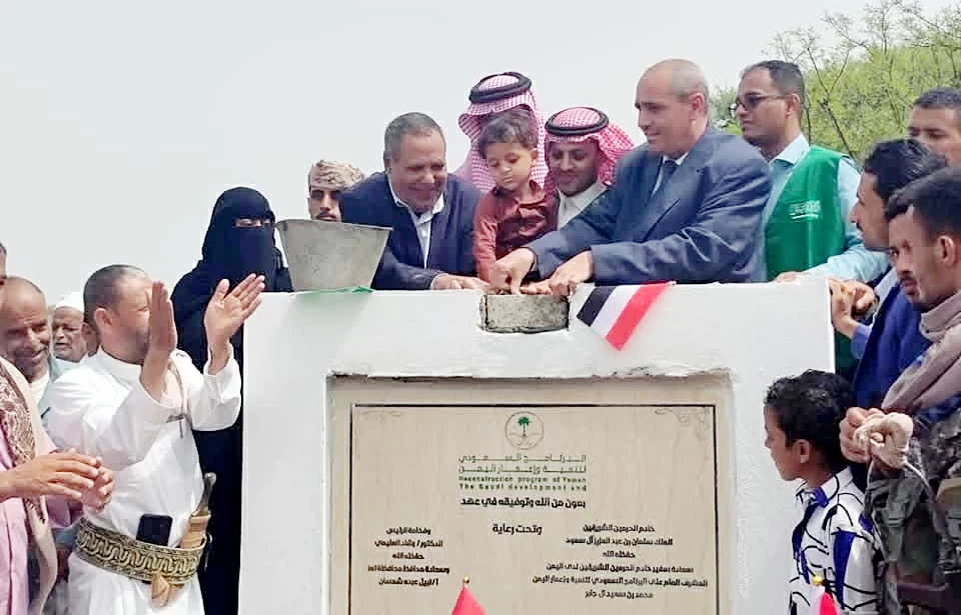
Saudi involvement, as described by the Taiz deputy governor, spanned infrastructure rehabilitation, training for civil servants, and support for security institutions. Capacity building initiatives reportedly included workshops, equipment transfers, and advisory support aimed at restoring basic government services.
Additionally, officials said coordination between Saudi agencies and Yemeni authorities aimed to improve administrative systems and public service delivery. This included efforts to rebuild municipal services, health clinics, and local administrative offices disrupted during the conflict.
How support reached Taiz and nearby districts
According to the deputy governor, Saudi-funded or supported projects were channeled through a mix of direct government coordination and partner organizations working on the ground. International and regional partners often act as intermediaries in complex operational environments, and the deputy governor indicated that such mechanisms were used to move materials and expertise into Taiz.
Furthermore, the support reportedly prioritized accessible projects that could be completed quickly to restore public confidence, such as road repairs, water systems, and administrative capacity-building. These efforts were described as part of a broader stabilization approach in government-controlled areas.
Implications for the Yemeni government and local governance
Officials suggested that stronger local institutions could reinforce national recovery and governance capacity. Strengthened municipal administrations in Taiz may enable the Yemeni government to expand service coverage and improve coordination between national and local authorities, the deputy governor said.
In contrast, stakeholders warned that progress remains uneven and dependent on security, funding continuity, and transparent management. International observers have noted that capacity building must be paired with political inclusivity and accountability to produce durable gains.
Reactions from local actors and analysts
Local civic groups welcomed infrastructure repairs but emphasized the need for sustained planning and oversight. Analysts said short-term projects can deliver visible benefits, but long-term institution building requires predictable funding, trained personnel, and legal frameworks to support public administration.
Meanwhile, humanitarian groups highlighted that restoration of basic services is essential but must be accompanied by protections for civilians and support for social cohesion. The Taiz deputy governor acknowledged these complexities while emphasizing the immediate positive effects of recent projects.
Regional context and international involvement
Saudi engagement in Yemen has included diplomacy, humanitarian assistance, and reconstruction support in various forms. Officials and analysts note that regional backing can complement international funding and technical support when coordinated effectively with Yemeni institutions.
However, observers caution that regional assistance operates alongside a patchwork of donors and agencies, making coordination challenging. The Taiz deputy governor underscored the importance of aligning donor efforts with local priorities to maximize impact.
Next steps and what to watch
Authorities indicated that further assessments and coordination meetings are planned to map priorities and scale up successful pilots. Readers should watch for published project plans, donor coordination updates, and local budget allocations over the coming months to gauge whether capacity gains are sustained.
Additionally, monitoring progress in service delivery indicators, transparency measures, and stakeholder engagement will be key to determining the long-term impact of support. International partners and Yemeni authorities are expected to report periodically on reconstruction and governance milestones.
Conclusion: Outlook for Taiz and the Yemeni government
The deputy governor’s account frames Saudi support as a catalyst for rebuilding state capacity in Taiz and beyond. While promising in the short term, the durability of these gains will depend on continued funding, security stability, and strengthened institutions across Yemen.
Looking ahead, stakeholders said they expect follow-up coordination and assessments within weeks to months, and observers will be watching whether the reported initiatives translate into lasting improvements in governance and public services.