








Mosque Development Cooperation Strengthened
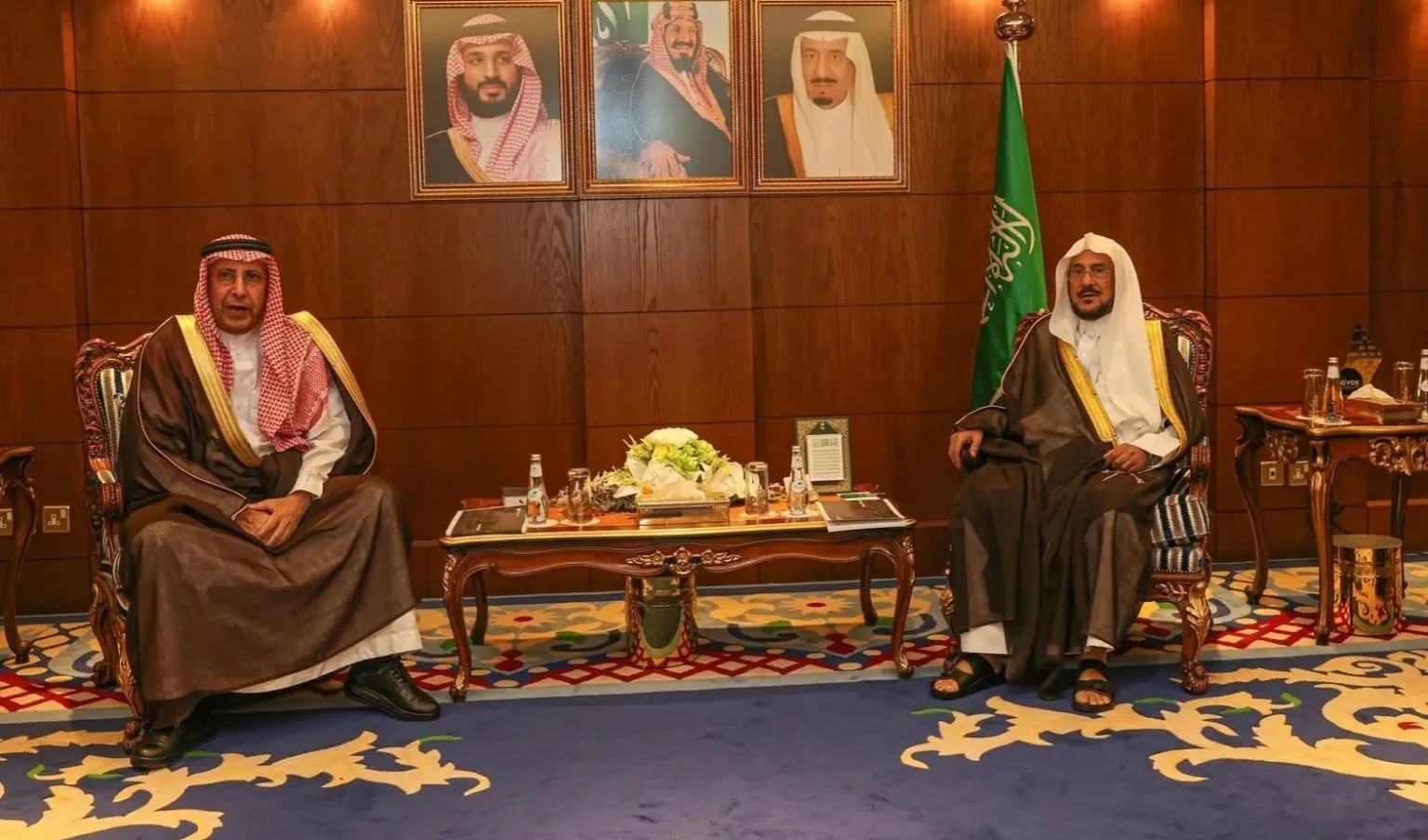
The Ministry of Islamic Affairs and the Royal Commission announced a renewed effort to enhance mosque development cooperation, officials said. The agreement, announced Wednesday, aims to coordinate planning, renovation, and management of mosques across the commission’s jurisdictions, the ministry stated. The initiative seeks to improve religious infrastructure while aligning with urban development priorities.
The announcement came after recent meetings between ministry leaders and Royal Commission officials, who agreed on a framework for joint projects and oversight. The initial phase will focus on assessment, technical standards, and pilot renovations, according to the ministry statement. Meanwhile, both parties emphasized a shared mandate to support community services linked to mosque functions.
Partnership Details and Project Scope
The partnership establishes roles for planning, funding coordination, and technical supervision, officials said. The Royal Commission will integrate mosque projects into broader urban and heritage plans, while the Ministry of Islamic Affairs will provide religious guidance, operational standards, and clerical training. Together, they will develop a priority list for mosque renovation and new construction in areas under the commission’s authority.
Work will include structural upgrades, accessibility improvements, sound and ventilation systems, and the preservation of culturally significant sites where applicable. Furthermore, both parties indicated that mosque development cooperation will incorporate sustainability measures and compliance with building codes. The framework also addresses security, crowd management, and maintenance practices to ensure continuity of religious services.
Funding, Standards, and Technical Coordination
Officials said the agreement does not yet disclose detailed funding allocations but emphasizes joint planning to attract public and private investment. The ministry and the Royal Commission will prepare feasibility studies and cost estimates for proposed projects before seeking budget approvals. Therefore, initial activities will focus on pilot sites to validate standards and cost models, the statement suggests.
Technical and Religious Standards
The Ministry of Islamic Affairs will lead in defining religious and operational standards for mosque design and programming. Meanwhile, the Royal Commission’s technical teams will manage structural design, heritage assessments, and integration with urban infrastructure. Together, they will draft technical guidelines that balance religious requirements with modern construction and safety norms.
Implications for Religious Infrastructure and Communities
Observers said the partnership could streamline processes for mosque renovation and construction, improving service delivery for worshippers. If implemented as outlined, mosque development cooperation could reduce delays caused by fragmented responsibilities and enhance quality control. Additionally, standardized practices may raise the overall level of religious infrastructure and community services available in developing areas.
Community leaders welcomed the emphasis on accessibility and service-oriented facilities. Enhanced mosque facilities can support a wider range of activities, including education, social welfare, and civic engagement. Furthermore, aligning mosque projects with urban plans is expected to preserve historical sites while accommodating population growth and tourism in special districts managed by the Royal Commission.
Operational Challenges and Risk Management
Officials acknowledged several challenges, including coordinating multiple agencies, securing long-term funding, and ensuring consistent maintenance. The success of mosque development cooperation will depend on clear governance arrangements and regular monitoring, the ministry noted. Therefore, the agreement includes provisions for joint oversight committees and performance reviews to mitigate risks.
Other potential hurdles include balancing heritage preservation with modernization and addressing logistical issues in remote locations. The Royal Commission and ministry representatives indicated they will consult local stakeholders and technical experts to adapt projects to local conditions. Furthermore, they will prioritize transparent communication about timelines and expected disruptions during renovation work.
Related Initiatives and Broader Context
The agreement follows a broader trend of integrating religious infrastructure into urban planning frameworks, officials said. Municipal and regional authorities have increasingly sought to coordinate public services and cultural preservation with religious needs. As a result, mosque renovation and mosque renovation standards have become central components of multi-agency urban programs.
Secondary priorities include developing training programs for mosque staff and enhancing digital services to support administration and community outreach. The ministry indicated that improved clerical training and facility management are core elements of sustainable mosque operations. Additionally, both parties signaled interest in exploring partnerships with private sector contractors and non-governmental organizations for specialized projects.
What to Watch Next
Readers should watch for the publication of the initial priority list and pilot project details, which the ministry said will be released in the coming months. These announcements will provide concrete timelines and locations for early works and clarify funding approaches. Furthermore, monitoring committees and progress reports will offer insights into how mosque development cooperation translates into on-the-ground improvements.
In conclusion, the strengthened cooperation between the Ministry of Islamic Affairs and the Royal Commission aims to create a more coordinated approach to religious infrastructure and community services. Stakeholders expect initial pilot projects and technical guidelines to appear soon, and the next steps will reveal how effectively the partners can align religious, technical, and urban planning objectives.