







RSV season preparedness plan
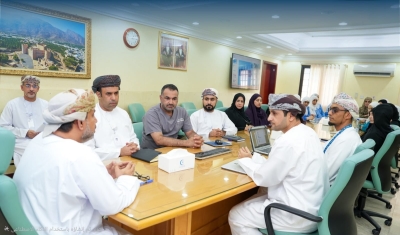
The Directorate General of Health Services in South Al Batinah convened a high-level meeting led by Dr. Nasser bin Abdullah Al-Shukaili to review RSV season preparedness and related health threats. Held this week in South Al Batinah Governorate, the session brought together department directors, heads of units and technical teams to assess operational readiness and preventive measures for the upcoming respiratory syncytial virus season.
Officials said the meeting aimed to ensure continuity of care, improve response times, and align resources across primary and secondary care facilities. The review included staffing levels, medical supplies, patient flow protocols and coordination mechanisms across the governorate and with national health authorities in the Sultanate of Oman.
Key components of RSV season preparedness
The emergency plan discussed at the meeting emphasized early detection, infection prevention and surge capacity. Furthermore, the plan outlines triage pathways, isolation procedures and escalation criteria to manage any expected increase in pediatric and adult respiratory cases during peak months.
Health planners reviewed logistical elements such as oxygen availability, ventilatory support, rapid diagnostic access and outpatient management to reduce hospital admissions where clinically appropriate. According to officials, simulations and tabletop exercises will be scheduled to test interoperability between hospital departments and community clinics.
Addressing antimicrobial resistance and corrective measures
Participants also examined the current situation regarding antimicrobial resistance, with officials presenting surveillance indicators and trends from recent reporting periods. The meeting highlighted the need for sustained action to limit the spread of resistant bacteria through coordinated infection prevention and control (IPC) measures and better antibiotic stewardship.
Antibiotic stewardship and surveillance
The corrective plan prioritizes strengthening antibiotic stewardship programs, activating pharmacy oversight, and enhancing laboratory-based surveillance systems. Additionally, the plan calls for standardized prescribing guidelines, prescriber education and audit-feedback loops to improve antibiotic use across hospitals and primary care.
Experts at the meeting stressed that antimicrobial resistance remains a transnational challenge and that local stewardship efforts are critical to preserving antibiotic effectiveness. South Al Batinah health officials noted collaboration with national public health laboratories and the Ministry of Health would be necessary to align data and interventions.
Operational readiness, training and staff recognition
The director general underlined that preemptive preparedness is central to effective health system response. Departments and teams that led crisis management during the previous season received formal recognition at the meeting to commend their performance and to reinforce a culture of institutional appreciation and continuous improvement.
Training plans were updated to include refreshed IPC protocols, correct use of personal protective equipment, and updated clinical guidance for RSV management. The leadership also reviewed human resources contingencies to address potential staff shortages, including cross-training clinical staff and mobilizing reserve teams.
Challenges, proposed solutions and public awareness
Participants identified several barriers to seamless implementation, including supply chain constraints, variable adherence to IPC practices, and gaps in community awareness about respiratory infection prevention. Therefore, the directorate proposed targeted interventions such as supply audits, reinforcement of IPC audits, and public communication campaigns.
Public awareness initiatives will focus on hand hygiene, respiratory etiquette and the appropriate use of healthcare services. In addition, the directorate plans campaigns to educate the public about the risks of inappropriate antibiotic use, reinforcing antibiotic stewardship messages to limit the spread of antimicrobial resistance.
Implications for healthcare delivery in South Al Batinah
By updating operational plans and enhancing surveillance, officials expect improved detection and containment of seasonal respiratory infections and resistant bacterial strains. Furthermore, coordinated measures aim to reduce unnecessary antibiotic prescriptions and limit nosocomial transmission, which in turn should protect vulnerable patient groups and reduce pressure on intensive care resources.
Health authorities indicated that integrating RSV season preparedness with broader antimicrobial resistance strategies can yield operational efficiencies and strengthen overall clinical governance. According to the meeting summary, greater data sharing and routine monitoring will help tailor interventions to local epidemiology and service capacity.
Next steps and what to watch
The directorate concluded the meeting by committing to a schedule of follow-up actions, including periodic readiness assessments, targeted training sessions, and staged implementation of the corrective AMR plan. Officials said that regular reporting of preparedness indicators will be provided to regional stakeholders and the Ministry of Health.
Stakeholders and the public should watch for upcoming simulation exercises, publication of updated clinical and prescribing guidelines, and announcements about community outreach campaigns. These steps are expected to be rolled out in the coming weeks as part of a phased approach designed to strengthen resilience ahead of the peak RSV period.
In summary, strengthened RSV season preparedness, reinforced antibiotic stewardship and improved surveillance represent the core objectives emerging from the meeting. The Directorate General of Health Services in South Al Batinah signaled ongoing commitment to enhancing healthcare quality and patient safety while coordinating with national authorities to meet seasonal and longer-term public health challenges.