




Lindau Nobel Laureate Meeting: Oman’s delegation attends 75th forum
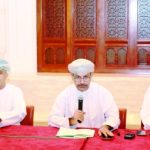
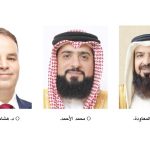
The Oman Research and Innovation Authority sent a delegation to the 75th Lindau Nobel Laureate Meeting in Lindau, Germany, this week, reinforcing its international engagement in science and innovation. The Lindau Nobel Laureate Meeting gathered Nobel laureates, researchers and policymakers from around the world to exchange ideas across disciplines, officials said. The authority’s participation aimed to highlight Omani research capacity and to open channels for collaboration.
Who attended and what took place at the multidisciplinary forum
The Omani delegation included senior officials and researchers, and the authority reported meetings with laureates and scientific peers across multiple fields. The forum showcased plenaries and panel discussions, including presentations on condensed matter physics and sessions spanning life sciences, chemistry and climate research. Meanwhile, delegates received briefings on emerging research trends and potential partnership opportunities with European and global institutions.
Among the notable scientific contributions reviewed at the meeting were the works of Professor John Michael Kosterlitz, a Nobel Prize laureate in Physics, whose studies of material properties at low temperatures have informed developments in advanced materials, electronics and quantum computing research. According to forum materials, such foundational work continues to shape laboratories and technology road maps worldwide.
Research priorities discussed and Oman’s engagement
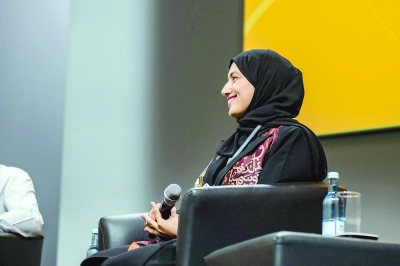
A key session at the meeting focused on defining global research priorities and assessing the alignment of current research agendas with humanitarian needs. Dr. Sarah Al-Araimi, head of the biotechnology department at the University of Technology and Applied Sciences, represented Omani academia in that dialogue. Officials said the session explored mechanisms for prioritizing research that addresses health, environmental resilience and technological equity.
Therefore, the discussions addressed how national research strategies can map onto international priorities, with emphasis on multidisciplinary approaches and translational outcomes. The Oman Research and Innovation Authority noted that insights from the meeting will inform national planning and funding decisions aimed at better aligning projects with societal needs.
Scientific collaboration and networking outcomes
Participation at the Lindau Nobel Laureate Meeting created networking opportunities for Omani researchers to pursue joint projects and exchanges. Delegates met with laureates and senior researchers to discuss potential collaborations in biotechnology, materials science and computational research. Furthermore, the forum facilitated introductions to research infrastructures and consortia that could support Omani-led studies.
Officials highlighted that scientific collaboration formed a central part of the authority’s objectives, noting that partnerships can accelerate capacity building and access to advanced experimental platforms. In addition, attendance at the multidisciplinary forum allowed Omani delegates to benchmark local research strengths against international peers.
Implications for Oman’s research and innovation ecosystem
Experts at the meeting underscored the importance of aligning national funding priorities with globally recognized challenges, a point that resonates with Oman’s strategic ambitions in science and innovation. The authority stated that insights from the Lindau Nobel Laureate Meeting will contribute to refining mechanisms for prioritizing grants, talent development and infrastructure investment. Consequently, stakeholders in Oman may see adjusted emphasis toward interdisciplinary projects and translational research.
Moreover, exposure to Nobel laureates and leading researchers adds visibility to Omani science and can strengthen recruitment and retention of research talent. The authority also indicated that participation supports the creation of mentorship links and doctoral exchange pathways, which are often essential for building sustainable research ecosystems.
Capacity building and next steps after Lindau
Following the meeting, the Oman Research and Innovation Authority expects to convene follow-up workshops and stakeholder consultations to translate international recommendations into national actions. Officials said planned next steps include targeted capacity-building programs in areas such as biotechnology and quantum materials, informed by the multidisciplinary forum’s findings. Therefore, researchers and institutions in Oman should watch for announcements on collaboration calls and exchange opportunities in the coming months.
In parallel, the authority will evaluate potential bilateral agreements and research visits discussed during the forum, and it will report progress to national science policy bodies. The report indicates that such sustained engagement is intended to enhance research outputs and ensure that academic work aligns with societal and economic priorities.
What observers should watch next
Observers should watch for formal partnership agreements, funding calls, and capacity-building initiatives that reference outcomes from the Lindau Nobel Laureate Meeting. Additionally, announcements about joint research programs or visiting scholar schemes involving Omani institutions would signal concrete follow-through. Finally, monitoring changes in national research funding priorities will provide evidence of how insights from the multidisciplinary forum are being incorporated into Oman’s science and innovation strategy.
Conclusion
The Oman Research and Innovation Authority’s participation at the Lindau Nobel Laureate Meeting reflects a deliberate effort to raise Omani research presence on the global stage and to learn from leading scientists. Officials said the forum’s deliberations on research priorities and interdisciplinary collaboration will inform national planning, with follow-up actions expected in the coming months. Readers should watch for workshop schedules, partnership announcements and funding calls that translate international dialogue into local research initiatives.