







Strait of Hormuz: status and assurances after Islamabad memorandum
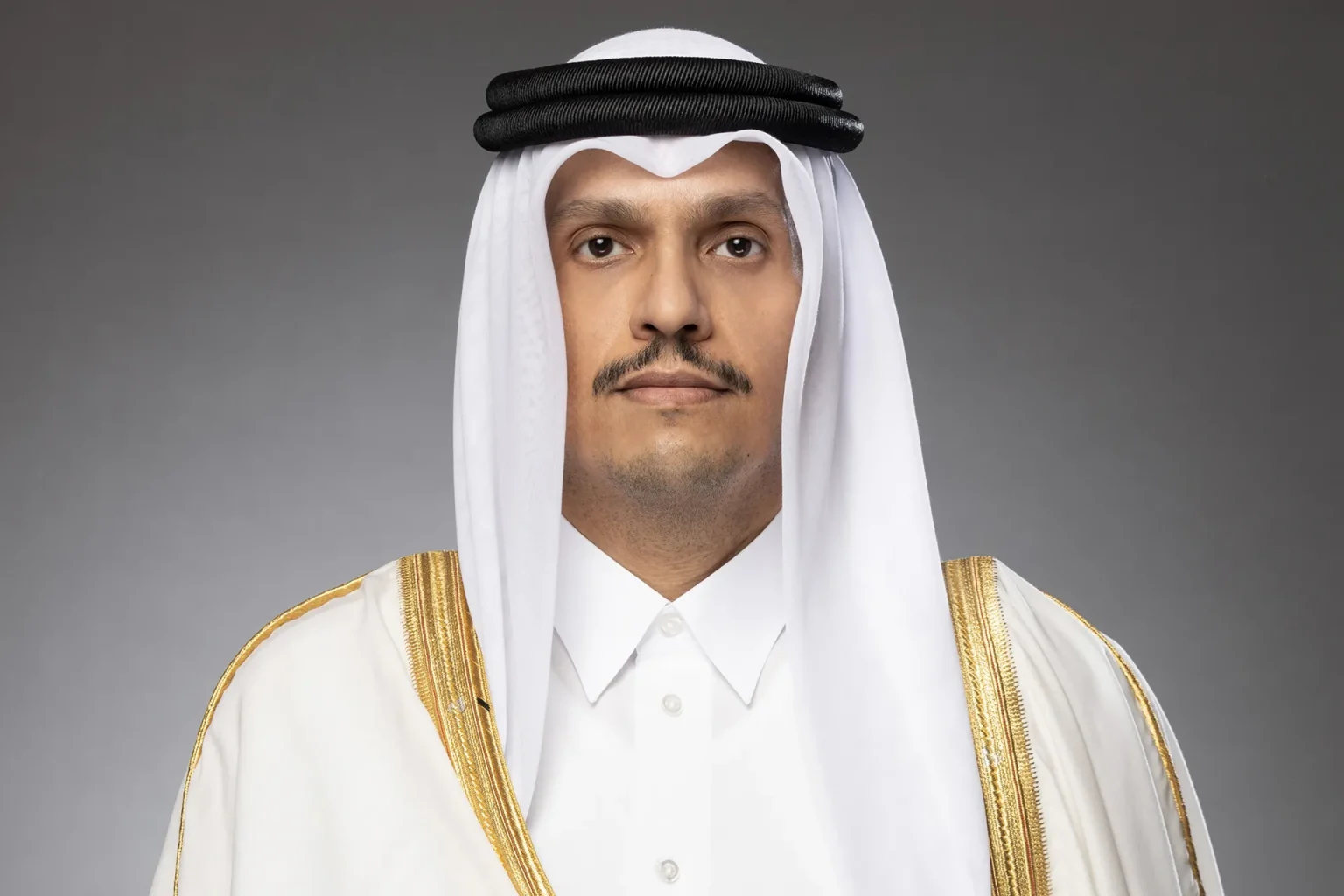
Qatar’s prime minister, Sheikh Mohammed bin Abdulrahman Al Thani, told the Financial Times on 24 June 2026 that the Strait of Hormuz remains open and Doha has received assurances that no order was issued to close it. The remarks came after a Pakistan-mediated memorandum signed in mid-June, which officials say aims to halt military clashes and open diplomatic channels between Iran and the United States.
The main keyword, Strait of Hormuz, is central to regional trade and energy flows, and the prime minister said navigation should return to normal levels within 30 days of any comprehensive agreement, according to his interview.
Regional security framework: Doha’s push for a new architecture
Sheikh Mohammed outlined Doha’s vision for a new regional security framework that would include Iran and Gulf states, stressing that any arrangement must be negotiated by all stakeholders. He said talks held in Switzerland, including an agreed hotline, have laid groundwork for a more durable settlement and for countering disinformation during sensitive de‑escalation phases.
Qatar’s mediation role, the prime minister added, remains active and includes coordination with Pakistan as a facilitator. Additionally, he emphasized that Oman and other Gulf states must be consulted on any management model for the Strait of Hormuz to ensure legitimacy and shared responsibility.
Ceasefire verification in Lebanon and preventing escalation
The interview also addressed Lebanon, where Doha proposes a verification mechanism to monitor any ceasefire and prevent renewed escalation between Israel and militant groups. Sheikh Mohammed said there is now a specific mechanism intended to verify a halt to hostilities in Lebanon, though he cautioned the process is still at an early stage and will require regional cooperation.
He criticized what he described as disproportionate Israeli military responses that have repeatedly undermined local calm and complicated wider negotiations. The proposed verification system seeks to involve neutral regional and international observers to reduce mistrust and create clear reporting channels.
Practical steps for reopening shipping and mine clearance
On operational issues in the Strait of Hormuz, the prime minister highlighted the need for a direct line of communication between Washington and Tehran to coordinate mine clearance and protect commercial shipping. He said the Switzerland talks agreed a communications channel to address misinformation and to manage tactical de‑confliction during the removal of maritime hazards.
According to his remarks, restoring safe navigation will require transparent protocols for clearance operations, third‑party verification, and time‑bound milestones to reassure shipowners and insurers. In the short term, authorities expect gradual restoration of traffic if mine and threat removal proceeds without incidents.
Energy implications: QatarEnergy and force majeure
The conflict and supply disruptions have already affected liquefied natural gas markets. Sheikh Mohammed confirmed QatarEnergy will only lift its force majeure status when it has assurances of secure operations, underscoring the company’s priority on safe production and shipping routes.
QatarEnergy suspended some LNG production after an attack on Ras Laffan infrastructure in late February, according to industry notices and reporting by regional agencies. The prime minister said Doha will not accept any plan that places unilateral control over passage through the Strait of Hormuz, and that Gulf states would object to any Iranian proposal to levy transit fees.
Diplomatic groundwork and the role of mediation
Doha credits the Switzerland meetings with establishing a negotiation framework and a communications architecture, but the prime minister acknowledged that substantive talks remain at an early stage. He said Qatar continues to coordinate with Pakistan to move from a memorandum of understanding toward a comprehensive settlement.
Officials emphasize that mediation will need to address parallel security, maritime, and political tracks simultaneously — from ceasefire verification in Lebanon to economic and legal arrangements for shipping in the Strait of Hormuz. The approach aims to reduce spoilers and align incentives for de‑escalation.
Implications for markets and regional politics
Markets are closely watching whether agreements translate into reliable reopening of shipping lanes and normalized energy flows. A sustained reduction in risk could ease insurance premiums and restore longer shipping routes, while failure to implement verification and mine‑clearance steps could prolong disruptions.
Politically, a credible regional security framework that includes Iran would mark a significant shift in Gulf diplomacy. However, diplomats warn that practical implementation will be complex and contingent on parallel progress in addressing Lebanon, maritime security, and confidence‑building measures.
What to watch next
Observers should watch three near‑term signals: whether the agreed hotline between Washington and Tehran becomes operational during clearance operations; the timeline for verified mine removal in the Strait of Hormuz; and the concrete composition and mandate of any Lebanon verification mechanism. Officials indicate navigation could normalize within 30 days of a verifiable agreement, but that timeline depends on cooperation from multiple parties.
Ultimately, the success of the Pakistan‑brokered memorandum and Doha’s mediation will hinge on transparent verification, inclusive regional consultations, and sustained diplomatic engagement to translate assurances into durable security and economic recovery.