






Qatari airlift to Venezuela departs with rescue teams and field hospitals
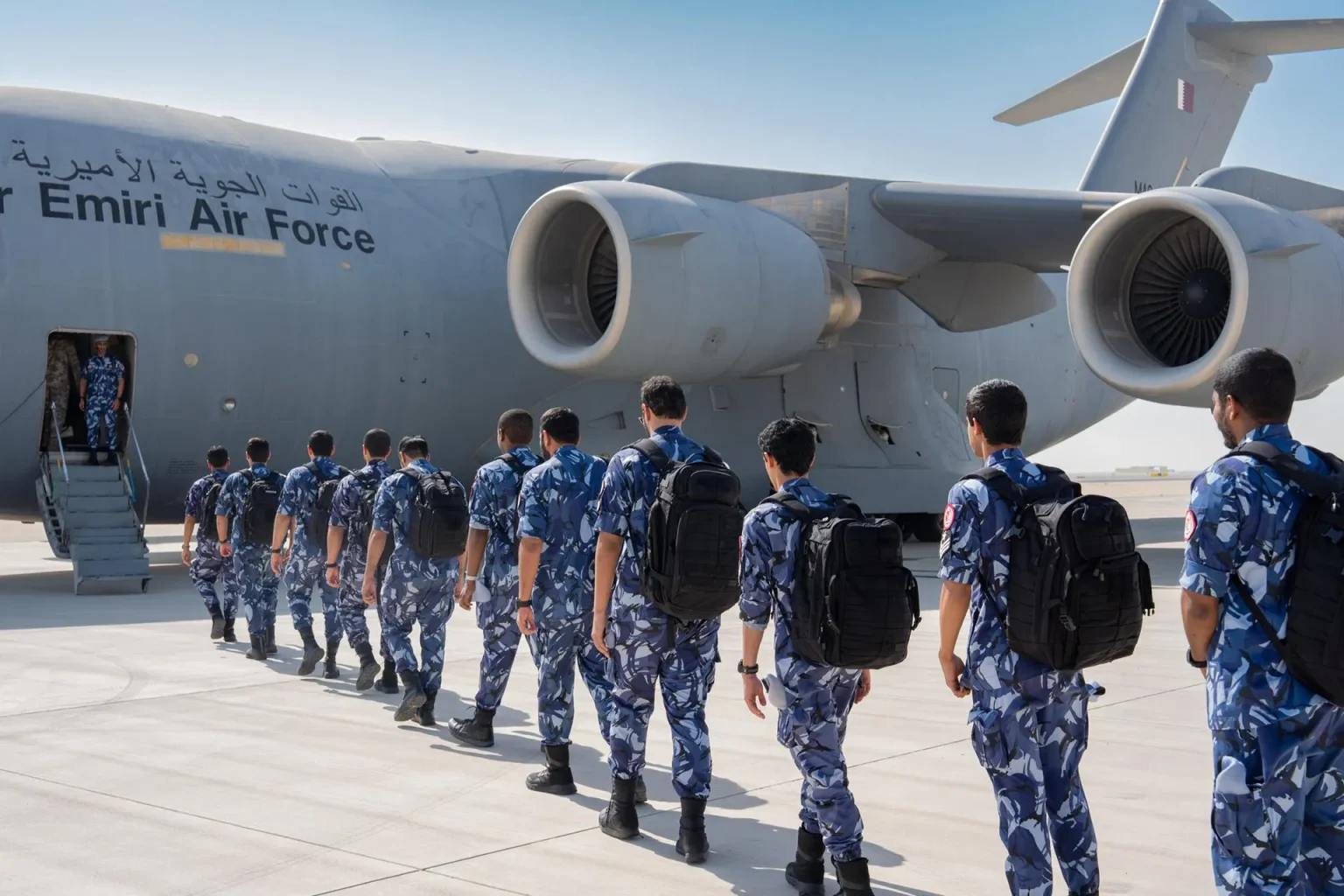
Qatar launched a Qatari airlift to Venezuela on Friday, sending an international search and rescue contingent, field hospitals, medical teams and humanitarian supplies to support earthquake relief efforts, officials said. The deployment, ordered by Emir Sheikh Tamim bin Hamad Al Thani, aims to assist areas devastated by two powerful earthquakes that struck Caracas on Thursday.
Who is involved and what was sent
The mission includes members of the Qatar International Search and Rescue Group, personnel from the Internal Security Force, specially trained rescuers certified for complex urban search operations, and medical staff equipped to set up field hospitals, according to Qatar News Agency (QNA). Interior Minister Sheikh Khalifa bin Hamad bin Khalifa Al Thani announced the airlift’s departure on the social media platform X, noting Qatar’s contribution to international rescue responses.
Flights are carrying rescue equipment, emergency medical supplies, temporary shelter materials and logistical support items to bolster local capabilities. Officials said teams are prepared for rapid deployment on arrival and for coordination with Venezuelan authorities and other international responders on the ground.
Main keyword: Qatari airlift to Venezuela
The Qatari airlift to Venezuela is part of a broader international response after the U.S. Geological Survey (USGS) recorded earthquakes with preliminary magnitudes of 7.2 and 7.5, which officials described as among the strongest temblors globally this year. The Venezuelan interim leader, Delcy Rodriguez, has reported a rising death toll and widespread infrastructure damage, accelerating the need for coordinated earthquake relief and search and rescue operations.
Casualties, damage and ongoing rescue efforts
Authorities reported that the confirmed death toll rose to 589 on Friday, with nearly 3,000 people injured, according to statements from the interim leader’s office. Rescue teams continue to comb through rubble to locate survivors trapped beneath collapsed buildings, while hospitals in Caracas and surrounding areas contend with large numbers of critically injured patients.
Meanwhile, local emergency services and international responders have prioritized search and rescue and the stabilization of damaged medical facilities. The scale of urban collapse in parts of the capital has complicated access, and officials warned that casualty figures may continue to change as teams reach more affected neighborhoods.
How Qatar’s contribution fits into international aid
Qatar’s mission is intended to support, not supplant, Venezuelan-led response efforts, QNA reported. The deployment of field hospitals and specialized search-and-rescue teams is aimed at augmenting local capacity where hospitals have been overwhelmed or rendered inoperative by structural damage.
Humanitarian agencies and foreign governments typically coordinate through host-nation authorities and international civil protection networks to avoid duplication and to prioritize areas of greatest need. In this instance, the Qatari airlift to Venezuela joins other bilateral and multilateral deployments responding to the earthquakes, offering medical surge capacity and technical rescue expertise.
Capabilities and immediate objectives of deployed teams
Deployed rescuers bring equipment for cutting, lifting and shoring operations used to extract survivors from collapsed structures. Field hospitals are structured to treat trauma patients, perform emergency surgery, and relieve pressure on local hospitals that have lost functionality. Additionally, teams carry supplies for initial public health measures, including water, sanitation and basic medicines.
Immediate objectives include locating survivors, triaging and stabilizing the injured, restoring emergency medical care in key locations, and coordinating logistics for ongoing relief deliveries. The Qatari teams are expected to integrate with Venezuelan military and civil defense units upon arrival to streamline operations.
Context: seismic risk and regional implications
Venezuela lies in a seismically active region, and large earthquakes can produce widespread urban damage when they affect densely populated centers. The USGS estimates and aftershock patterns will inform search priorities and safety protocols for rescuers working amidst unstable structures. Furthermore, the regional humanitarian community is monitoring potential secondary impacts such as disrupted utilities, contagion risks in crowded shelters, and long-term displacement needs.
Given the magnitude of the events, international support for earthquake relief — including emergency shelter, medical care, and infrastructure assessment — will likely be required for weeks or months. Coordination among donors, host-country authorities and non-governmental organizations will shape recovery timelines.
Related secondary keywords: search and rescue, medical teams, earthquake relief
Search and rescue operations remain time-critical, with the highest likelihood of finding survivors within the first 72 hours after a collapse, experts say. Medical teams from foreign contingents are prioritized to manage trauma caseloads and to help restore essential services while local hospitals recover. Earthquake relief efforts will also include longer-term needs assessments to guide reconstruction and psychosocial support initiatives.
What to watch next
Observers should watch official coordination channels for updates on the Qatari airlift to Venezuela’s arrival, deployment locations and the scope of services provided by the field hospitals. Authorities have indicated casualty and damage figures may be revised as rescue operations progress and more areas become accessible.
International donors and humanitarian agencies will likely publish consolidated appeals or response plans in the coming days. Citizens and affected communities will need continued medical care, safe shelter and reliable information on safety and recovery services.
Brief outlook and next steps
In the short term, search and rescue and emergency medical response will dominate international efforts. Qatar’s contingent aims to provide rapid technical assistance and surge medical capacity, according to official statements. In the medium term, assessments of structural damage, public health risks and shelter requirements will inform recovery planning and reconstruction priorities.
Readers should watch for updates from Venezuela’s national authorities, the USGS for seismic monitoring, and statements from Qatar’s official channels for progress reports on the Qatari airlift to Venezuela and related humanitarian assistance.