






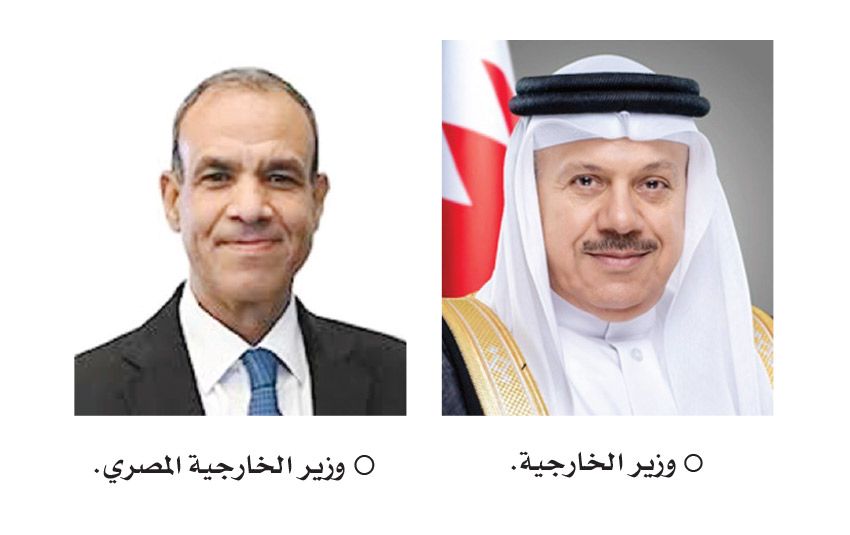

Bahrain-Egypt relations strengthen after ministerial telephone talks
Bahrain and Egypt strengthened diplomatic ties after a telephone conversation between Bahraini Foreign Minister Dr. Abdullatif bin Rashid Al Zayani and Egyptian Foreign Minister Dr. Badr Abdelatty yesterday. The call, officials said, reviewed long-standing bilateral cooperation and recent regional developments affecting security and stability. The discussion highlights continued diplomatic engagement between the two governments.
Details of the foreign ministers call and agenda
According to statements from the Bahraini Foreign Ministry, the foreign ministers exchanged views on ways to enhance cooperation across political, economic and cultural fields. The ministers discussed current challenges in the region and explored coordinated responses within regional forums and with international partners.
Meanwhile, officials from both sides emphasized practical measures to deepen ties, including high-level consultations and potential joint initiatives. Additionally, the conversation explored how existing channels of coordination can be used to address immediate security and humanitarian concerns.
Main topics: regional security and diplomatic cooperation
Regional security was a central theme of the call, with both ministers underscoring the need for stability and collective efforts to mitigate risks. The ministers considered diplomatic cooperation as a tool to reinforce political dialogue and reduce tensions in neighbouring areas, officials said.
Furthermore, the conversation touched on multilateral coordination on counterterrorism, maritime security and safe passage for commerce. These topics align with broader priorities noted by both countries in previous communiqués, indicating a consistent policy emphasis on shared security objectives.
Historical ties and economic engagement
Bahrain and Egypt share historic political and social links that officials described as foundations for ongoing collaboration. Trade, people-to-people exchanges and cultural cooperation have served as stabilizing factors in the bilateral relationship.
In addition, the ministers reviewed ways to encourage economic partnership, including investment facilitation and cooperation in sectors such as energy, transport and education. The review reflects longstanding policy goals to expand mutually beneficial economic ties.
How the call fits into wider diplomatic efforts
The telephone contact occurred amid heightened diplomatic activity across the region, where several states are increasing consultations to manage complex political and security dynamics. Officials noted that regular communications between capitals are part of a broader trend of renewed diplomatic outreach.
Therefore, the foreign ministers call is consistent with regional patterns of coordination and information-sharing. The discussion also signalled intent to align positions in regional forums, where both countries participate on overlapping issues.
Implications for multilateral initiatives and next steps
Officials indicated that the call could lead to follow-up meetings and technical-level talks to translate broad understandings into concrete cooperation. This may include joint working groups, exchange programs for diplomatic staff and coordinated statements at regional summits.
Furthermore, the ministers agreed to continue direct contact as events evolve, according to ministry briefings. Observers should watch for announcements on specific cooperative projects or scheduled visits that would operationalize the outcomes of the conversation.
Conclusion and what to watch next
The telephone exchange between Dr. Abdullatif bin Rashid Al Zayani and Dr. Badr Abdelatty reaffirmed Bahrain-Egypt relations and underscored mutual interest in regional security and diplomatic cooperation. Officials framed the call as part of an ongoing dialogue intended to strengthen bilateral ties and address shared challenges.
Readers should monitor official ministry statements and upcoming regional meetings for concrete follow-up steps, including potential ministerial visits or joint initiatives over the coming months. Such developments will indicate whether the diplomatic momentum from the foreign ministers call leads to measurable policy outcomes.