






Senior Bahraini Lawmaker Arrives in Cairo for Arab Parliamentary Conference
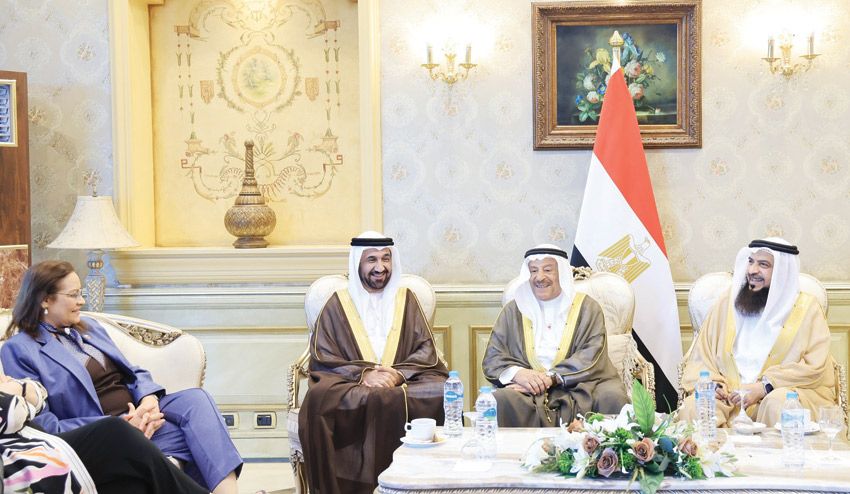
Ali bin Saleh Al-Saleh, president of Bahrain’s Shura Council, arrived in Cairo on Friday to participate in the eighth Arab parliamentary conference at the Arab League headquarters. The delegation’s arrival signals Bahrain’s active role in regional parliamentary diplomacy, and the Arab parliamentary conference will gather presidents and representatives of Arab councils and parliaments to discuss shared security and political priorities.
Delegation Composition and Official Reception
Al-Saleh was received on arrival by Mohammed bin Ahmed Al-Yamahi, president of the Arab Parliament, along with senior officials from the Kingdom of Bahrain’s embassy in Egypt, officials said. The Bahraini delegation is led by Al-Saleh and includes Dr. Adel Abdulrahman Al-Maawadah, deputy chairman of the Legislative and Legal Affairs Committee, and Dr. Ibtisam Mohammed Saleh Al-Dallal, a member of the Services Committee of the Shura Council.
Furthermore, diplomatic sources indicated the delegation will hold bilateral meetings with peers from other Arab parliaments and regional parliamentary bodies. These meetings are expected to frame Bahrain’s positions on agenda items and help coordinate contributions to committee deliberations during the conference.
Arab Parliamentary Conference Agenda and Priorities
The Arab parliamentary conference, organized by the Arab Parliament in cooperation with the Arab Inter-Parliamentary Union, will address a range of cross-cutting issues affecting Arab states, according to event materials and officials. Foremost on the agenda is developing a unified parliamentary stance to safeguard national sovereignty, security and stability against external aggression and threats.
Delegates will also examine mechanisms to bolster Arab national security, protect state institutions, and promote legislative cooperation on transnational challenges. Additionally, the conference aims to strengthen parliamentary oversight capacities and explore cooperative frameworks for humanitarian, economic and security responses across member legislatures.
Planned Deliberations on the Palestinian Territories
Conference representatives are scheduled to discuss developments in the Palestinian territories and ongoing allegations of rights violations affecting Palestinian civilians, officials said. Delegates are expected to debate wording and scope for a parliamentary resolution that would articulate an Arab parliamentary response and call for coordinated actions.
According to statements from organizers, the proposed resolution would reflect parliamentary concern over humanitarian conditions and legal protections under international law. Meanwhile, lawmakers will consider diplomatic, legislative and humanitarian measures that parliaments can take to support vulnerable populations while urging member states and international bodies to act.
Implications for Regional Security and Parliamentary Cooperation
The discussions at the Arab parliamentary conference could have broader implications for regional cooperation on security and foreign policy. A unified parliamentary position, if adopted, may increase pressure on executive branches to coordinate responses and could guide parliamentary diplomacy within international forums, analysts say.
Parliamentary resolutions and joint communiqués often serve as a barometer of legislative consensus and can catalyze multilateral initiatives. Therefore, participants are likely to explore follow-up mechanisms to monitor implementation of any adopted measures and to enhance legislative-to-legislative channels for dispute prevention and crisis response.
Next Steps and What to Watch
Delegates will move from plenary sessions to specialized committee discussions where language for resolutions is negotiated, according to organizers. Observers should watch for the adoption of the proposed parliamentary resolution on the Palestinian territories and any joint statements on collective security or sovereignty concerns raised during sessions.
In the days following the conference, participating parliaments may issue national statements or convene follow-up meetings to coordinate implementation. Furthermore, the Arab parliamentary conference could set the stage for intensified parliamentary diplomacy in the region over the coming months.
Context and Background
The eighth Arab parliamentary conference continues a tradition of interparliamentary engagement intended to strengthen legislative input into regional affairs. Historically, such conferences bring together parliamentary leaders to align legislative priorities and to develop cooperative tools for addressing shared challenges, organizers noted.
Conclusion and Outlook
The arrival of Ali bin Saleh Al-Saleh and the Bahraini delegation underscores Bahrain’s engagement in the ongoing Arab parliamentary conference in Cairo. Delegates are expected to work toward a consensus text on regional security and to consider a parliamentary resolution on the Palestinian situation, with outcomes to be announced after committee deliberations and plenary votes. Observers should monitor the conference’s final communiqués and any pledges for parliamentary follow-up in the coming weeks.