






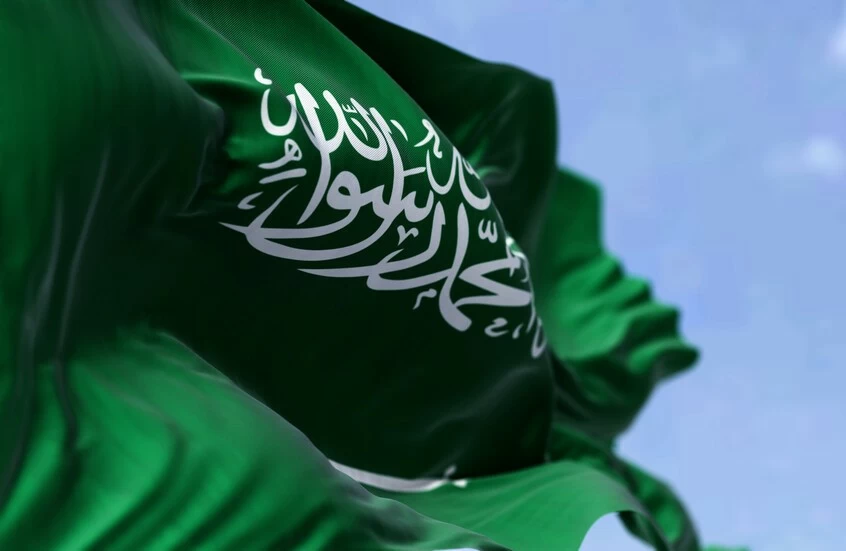

United Nations Charter at 80: Saudi Statement on Principles
Saudi Arabia, speaking for the Arab Group at the United Nations, reaffirmed the central importance of the United Nations Charter during a statement marking the 80th anniversary of the Charter’s signing. The remarks, delivered by Permanent Representative Dr. Abdulaziz Al-Wasil at UN headquarters in New York, urged respect for state sovereignty and non-interference in internal affairs.
The delegation emphasized that the Charter remains the foundational legal framework for international relations and called for renewed commitment to its purposes and principles. According to the statement, the Arab Group’s position underscores the need to preserve the integrity of the multilateral system as global risks mount.
Who Spoke and Why the Charter Matters Now
Dr. Abdulaziz Al-Wasil addressed UN delegates on behalf of Arab states, marking the eight-decade milestone since the Charter established the postwar international order. He highlighted the document’s role in shaping collective security, diplomacy, and the peaceful resolution of disputes, while stressing that its authority depends on consistent application.
Officials said the centennial-like reflection comes amid a backdrop of prolonged conflicts, transnational threats, and climate-related pressures that test existing norms. Therefore, the Saudi statement framed the Charter as both a legal instrument and a political commitment necessary to maintain international peace and stability.
Calls for Respect of Sovereignty and International Law
The Saudi representative reiterated that respect for sovereignty and territorial integrity must guide interstate conduct, and that states should refrain from intervening in domestic matters. Furthermore, the statement emphasized adherence to international law as essential to preserving the Charter’s credibility and the legitimacy of multilateral institutions.
Analysts note that appeals to sovereignty and international law frequently surface in UN discussions when member states seek to defend established norms amid evolving security challenges. Consequently, the Arab Group’s stance aligns with broader efforts to ensure equitable application of Charter principles across all regions.
Consistency, Credibility and Multilateralism
The speech urged fair and consistent application of Charter principles, arguing that selective enforcement undermines the credibility of the multilateral system. In addition, Dr. Al-Wasil called for measures that strengthen trust in international institutions, thereby reinforcing effective collective action.
Moreover, the statement stressed that cooperation and multilateralism remain the most effective pathways to address complex global problems. International law, officials said, provides the procedural and normative basis for such cooperation, while multilateral mechanisms offer forums for negotiation and dispute resolution.
How the Message Fits into Broader UN Reform Conversations
The Saudi delivery on the Charter’s anniversary enters ongoing discussions about how to adapt United Nations structures to contemporary challenges. Delegations across regions have increasingly debated reforms aimed at improving responsiveness, representation, and accountability within UN bodies.
Observers caution that proposals for reform span a spectrum from procedural adjustments to deeper structural changes. Therefore, calls for enhanced UN effectiveness, as stated by the Arab Group, parallel broader diplomatic efforts to reconcile member states’ expectations with the realities of a changing security, economic, and environmental landscape.
Implications for Regional and Global Policy
By reiterating commitment to the Charter, Arab states signaled a preference for rules-based engagement in addressing regional disputes and cross-border challenges. Consequently, the statement may influence how Arab governments prioritize diplomacy, conflict prevention, and cooperation on transnational threats.
Meanwhile, the insistence on non-interference and sovereignty could shape responses to interventions, peacekeeping operations, and sanctions regimes, as member states weigh legal norms against political objectives. Therefore, diplomats and policy planners will likely monitor follow-up actions and negotiating stances in multilateral fora.
International Cooperation and Next Steps
The Saudi representative called for continued efforts to enhance the UN’s capacity to respond to current and future challenges in ways that serve all member states. According to the statement, measures to increase effectiveness should be pursued through consensus-building and respect for the Charter’s founding principles.
Member states are expected to continue deliberations through UN committees and upcoming General Assembly sessions where issues of Charter implementation and institutional reform will remain on the agenda. Therefore, observers should watch for proposals that aim to translate anniversary commitments into concrete policy outcomes.
Conclusion: Watch for Follow-Up and Institutional Action
Saudi Arabia’s address on behalf of the Arab Group reaffirmed the enduring role of the United Nations Charter as the cornerstone of the international order and called for consistent respect for sovereignty and international law. Moving forward, attention will focus on how member states convert anniversary rhetoric into tangible reforms and cooperative measures.
Readers should watch for submissions, working papers, and negotiations in the General Assembly and relevant UN bodies over the coming months, which may indicate the degree to which calls for strengthened multilateralism and enhanced UN effectiveness gain operational traction.