






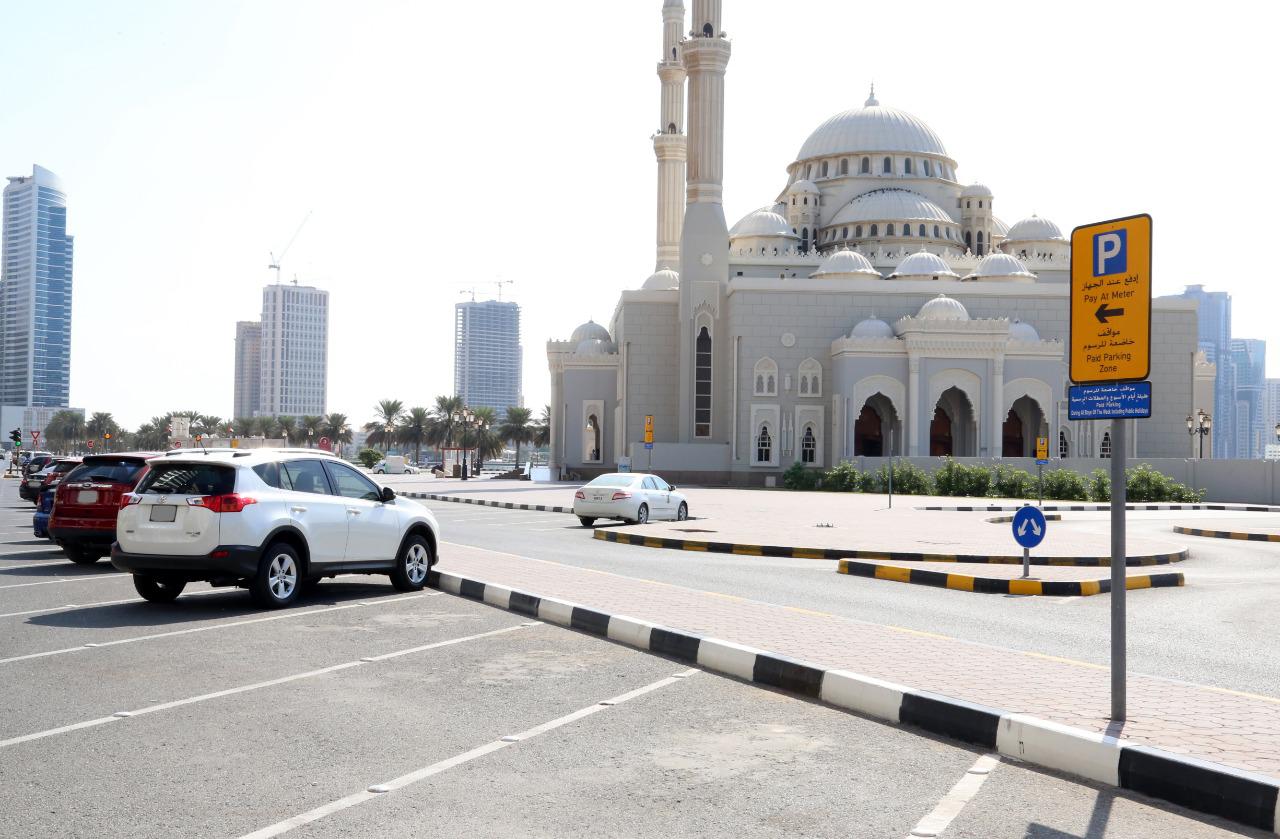

Sharjah public parking hours extended to 8am–midnight from July
Sharjah public parking hours will be extended to run from 8:00 a.m. until midnight across paid bays in the emirate, municipal officials announced. The change, which applies to paid parking spaces in Sharjah city, Khor Fakkan, Kalba and Al Dhaid, will take effect on July 1 and covers about 124,000 paid spaces, according to the municipality.
Who this affects and where the change applies
The revised schedule covers both yellow-designated bays and the previously aligned blue bays in commercial and residential areas, bringing a standardized operating window across most paid locations. Friday and public holiday exemptions remain in place for many spaces, although officials noted some paid bays may continue to apply charges throughout the week and on holidays depending on their classification.
Reasons behind the extension and municipal rationale
Municipal authorities said the decision responds to rising demand for parking driven by population growth, tourism and a growing evening economy. Hamid Al Qaed, director of the Public Parking Department at the municipality, said studies of occupancy rates, peak demand and public feedback informed the change, and that the move aims to reduce misuse, improve space turnover and support local businesses.
How fees, subscriptions and smart parking systems will operate
The municipality emphasized that the extended hours will not raise subscription prices; seasonal subscription fees will remain unchanged while subscribers gain two additional daily hours of covered time. Previously, a daily exemption period amounted to 14 hours; the new schedule increases that to 16 hours, officials said. The municipality also noted that payment and fee-calculation mechanisms will differ from those used in smart parking lots in tourist zones, with separate operational rules for those areas.
Payment channels and subscription options
Drivers will be able to pay via the municipality’s existing channels, including SMS services and the Sharjah Digital application, or opt for seasonal subscriptions that the municipality says can be issued quickly. Furthermore, the municipality urged motorists to adhere to the updated hours and to use available digital payment options to avoid fines and ensure smoother enforcement.
Operational impact on drivers and businesses
Officials cited difficulties faced by restaurant and café patrons who often struggle to find parking after 10:00 p.m., especially in busy districts, as a key motivation for extending hours. The change is intended to boost availability during evening periods, support hospitality and retail trade, and encourage a safer, more organized circulation of vehicles in high-demand zones.
Comparisons with regional parking trends and smart parking
Extending public parking hours aligns with a regional trend to support night-time commerce and tourism while leveraging technology to manage demand. According to municipal statements, the approach combines traditional paid bays with differentiated fee systems for smart parking areas, allowing officials to tailor enforcement and pricing to specific locations and visitor patterns.
Enforcement, compliance and expected benefits
The municipality said longer operating hours will help curb long-term occupation of high-demand bays and create more rotation, benefiting residents and visitors alike. Enforcement will be conducted through existing monitoring mechanisms and the revised hours are expected to reduce instances of illegal parking and improve the predictability of parking availability in commercial corridors.
What drivers should know now
Motorists should prepare for the change by checking the bay signage and using the digital payment channels recommended by the municipality. Subscribers do not need to pay additional fees to receive the two extra hours per day, but they should confirm the terms of their seasonal subscriptions if they park in smart-managed tourist areas where fee calculation may differ.
Next steps and what to watch for
The change comes into force on July 1, and drivers are advised to follow municipal announcements for detailed maps, area classifications and any further procedural guidance. Officials said they will continue to review usage patterns and public feedback, and further adjustments could follow if demand or patterns of use change.
Looking ahead, stakeholders and commuters should monitor official channels for implementation details and any targeted campaigns about enforcement and payment options. The municipality has indicated its commitment to refining operations in response to feedback, and residents can expect follow-up information on area-specific rules and smart parking integration in the weeks after rollout.