






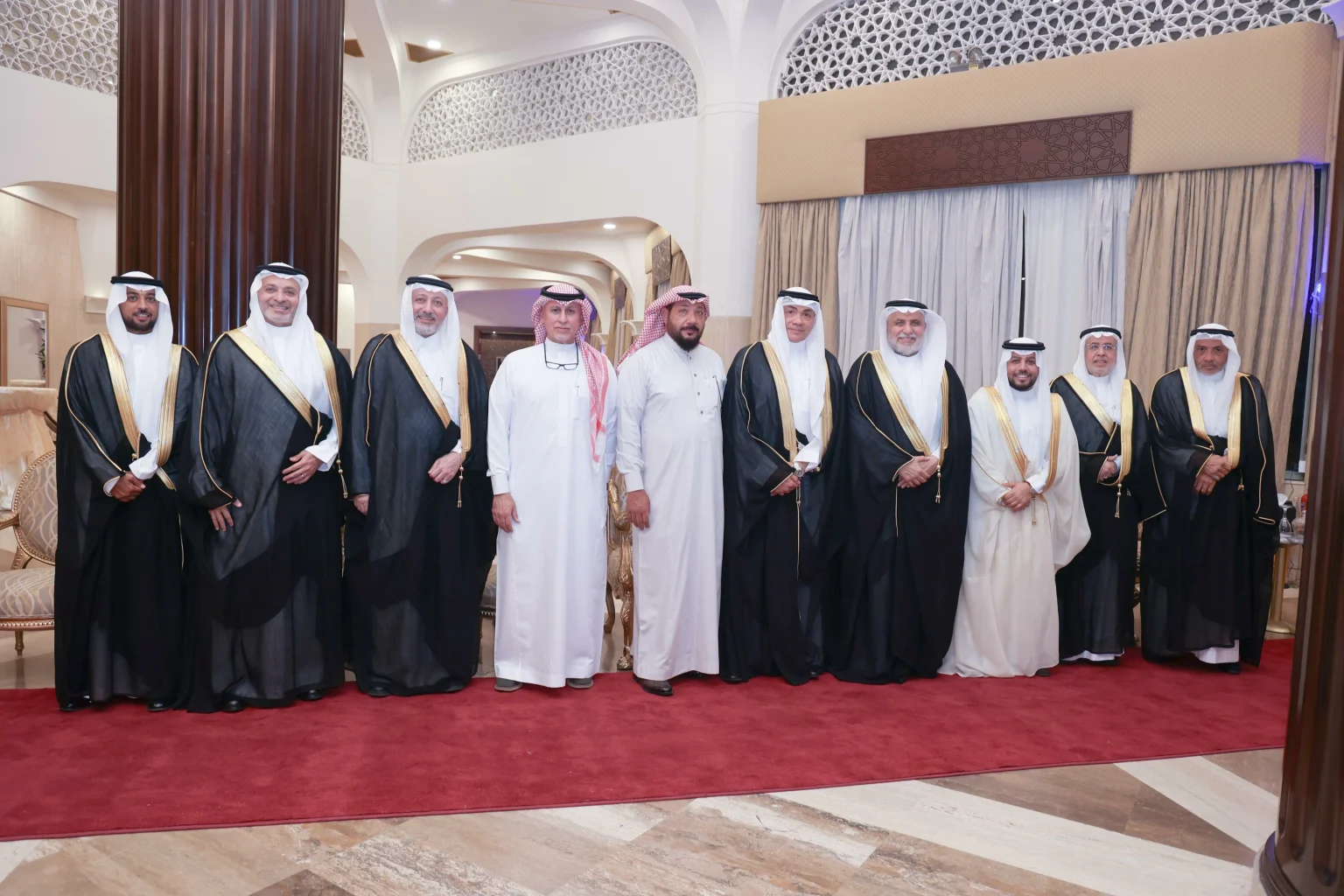

Mohammad and Asil marriage contract celebrated by family
Ghulam and Arshad hosted a private ceremony to celebrate the Mohammad and Asil marriage contract, held recently in a family home in a major Gulf city. The event brought together close relatives and friends to formalize the couple’s union according to customary practices. Organizers said the gathering prioritized a respectful, intimate atmosphere and adhered to local customs.
Ceremony details and timing
The celebration took place in the evening and was described by family representatives as a modest family celebration rather than a large public affair. The ceremony combined formal elements of the marriage contract with personal remarks from relatives, according to organizers. Additionally, traditional refreshments and light entertainment accompanied the proceedings, reflecting common wedding traditions in the region.
Hosts and key participants
Ghulam and Arshad served as the primary hosts and coordinated the guest list and program, family sources said. The couple’s decision to hold a small event was presented as a deliberate choice to keep attention on Mohammad and Asil, the bride and groom-to-be. Furthermore, close family members played active roles in the contract signing and the reception that followed.
Ceremony highlights and cultural context
The marriage contract itself followed established legal and religious protocols and was witnessed by family members and community elders, according to those present. Meanwhile, the event incorporated customary symbols used at engagement ceremonies and contract signings, such as formal declarations and the exchange of well-wishes. Therefore, the gathering served both as a legal step in the couples’ plans and as a cultural rite that connects families.
Reactions from family and community
Attendees described the mood as warm and celebratory, with relatives offering blessings and practical advice for the couple’s future. In contrast to large-scale weddings, the family celebration emphasized support networks and close ties, organizers said. Additionally, distant relatives conveyed congratulations through messages and calls, reinforcing the community dimension of the occasion.
Practical arrangements and logistics
Hosts arranged catering, guest seating, and an orderly schedule to ensure the signing and subsequent reception ran smoothly. Security and privacy were managed with sensitivity to the families’ wishes, according to event staff. Furthermore, planners coordinated transportation for a limited number of guests and ensured that cultural protocols were observed throughout the event.
Legal and social implications
Formalizing the marriage contract is an important legal and social milestone that sets out rights and responsibilities for both parties, legal experts said in general commentary on such ceremonies. The contract also establishes expectations for family support and financial arrangements that often accompany marriage in the region. Therefore, observers note that a clear and mutually agreed contract can reduce future disputes and strengthen family bonds.
How this fits broader wedding traditions
Marriage contracts and intimate engagement ceremonies remain common across many communities, balancing private celebration with public acknowledgment. Engagement ceremony practices and wedding traditions vary by family and locality, but the mix of formality and personal celebration seen at this event aligns with broader social patterns. Additionally, the careful planning by Ghulam and Arshad reflects a trend toward smaller, more focused gatherings among some families.
Media and public attention
The gathering received limited public attention by design, with hosts opting not to issue a formal media statement, organizers said. However, local social observers noted that news of such events often circulates within community networks and social circles. Therefore, the choice to maintain privacy likely reduced external scrutiny while allowing close relatives to participate fully.
What comes next for Mohammad and Asil
According to family representatives, the marriage contract marks a formal step toward subsequent wedding events and future joint planning. The couple and their families are expected to discuss additional ceremonies, logistics, and timelines in the weeks ahead. Meanwhile, relatives advised that practical matters such as household arrangements and family visits will follow as the couple prepares for married life.
Looking ahead
Observers should watch for announcements from the family regarding potential public festivities or a formal wedding reception in the coming months. In addition, developments related to travel arrangements and larger family gatherings may emerge as schedules are confirmed. Overall, the ceremony hosted by Ghulam and Arshad highlights the importance of family-led celebrations in marking major life events and the ongoing role of tradition in modern wedding planning.