






Trump Qatar meeting underscores breakthrough in US-Iran pause talks
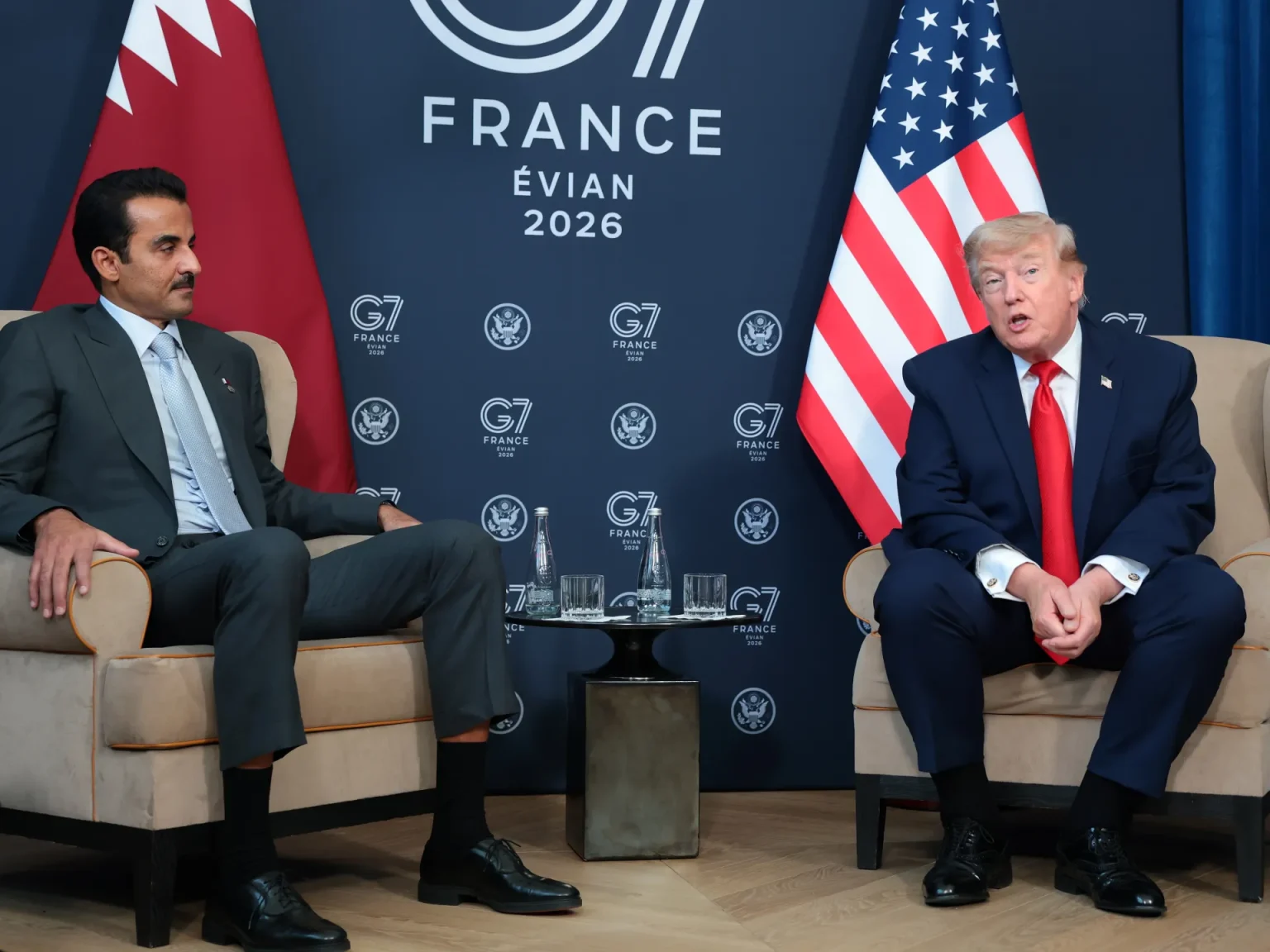
U.S. President Donald Trump met with Qatar’s Emir Sheikh Tamim bin Hamad Al Thani on June 16, 2026, in Evian-les-Bains, France, on the margins of the G7 summit. The Trump Qatar meeting focused on a newly announced U.S.-Iran memorandum of understanding, regional security issues including Lebanon, and Doha’s mediation role, according to officials and statements released after the encounter.
During the brief bilateral session, leaders reviewed the terms of the Iran agreement, discussed stabilization efforts in Lebanon and Gaza, and reaffirmed commitments to continued diplomatic coordination. The meeting came as governments and mediators prepare for a planned signing ceremony later in the week, officials said.
Main outcomes of the Trump Qatar meeting
Both sides described the encounter as constructive, with President Trump characterizing the U.S.-Iran arrangement as an initial but significant step toward preventing nuclear proliferation. According to White House remarks, the agreement is meant to block any Iranian effort to acquire a nuclear weapon and to transition to a second phase of implementation.
Qatar’s Emir emphasized Doha’s mediation role, saying his country prioritized reaching an agreement over immediate economic concerns and stands ready to assist further at the request of other parties. Qatar’s foreign ministry spokesman, Majid Al-Ansari, held a separate press briefing in Doha reiterating that no Qatari funds were paid as part of the talks and that Doha coordinated within a broader multilateral effort tied to the Pakistani-led mediation framework.
Why the Iran agreement matters and regional implications
The Iran agreement, if implemented, could reduce immediate risks of wider conflict in the Gulf and help restore commercial navigation through the Strait of Hormuz, diplomats said. U.S. officials stressed that the accord is a first step that may lead to more comprehensive negotiations but emphasized strict nonproliferation conditions and inspections mechanisms.
Meanwhile, the arrangement has stirred concern among regional allies. Israeli leaders publicly rejected parts of the understanding, and President Trump told Israel to exercise greater restraint in operations affecting Lebanon, urging Prime Minister Benjamin Netanyahu to act more responsibly toward Beirut. Analysts note the deal’s survival depends on verification measures and on managing allied objections.
Qatar mediation and the role of third-party facilitators
Qatar’s involvement illustrates the growing reliance on small-state diplomacy to bridge gaps between larger powers. Officials described Doha as a facilitator that brought parties together without providing direct financial inducements. The Qatari government framed its role as convening and deconflicting lines of communication among Washington, Tehran and regional actors.
Pakistan was reported to have played a parallel role in arranging the cessation terms between the U.S. and Iran. According to statements from Doha, meetings have been held under a Pakistani-led umbrella while Qatar continues to support confidence-building measures and humanitarian ceasefire mechanisms in Gaza and Lebanon.
Lebanon-Israel tensions and security proposals discussed
Lebanon and Hezbollah were a prominent subject of the discussion. President Trump described the conflict in Lebanon as secondary to the broader priority of securing the Iran agreement, but he criticized Israel’s handling of engagements with Hezbollah and called for a more measured approach. He also floated the idea that regional actors, including Syria, should assume greater responsibility for managing Hezbollah-related flashpoints, according to briefings.
Security analysts caution that proposals to shift responsibilities among regional states will be difficult to implement and could create new fault lines if not coordinated with international partners and local stakeholders. The meeting underscored the complexity of disentangling local conflicts from broader diplomatic breakthroughs.
Economic and trade dimensions
The Emir signaled optimism about expanding commercial ties with the United States, predicting bilateral trade could exceed a trillion dollars over time as political risks decline and cooperation deepens. Qatar’s comments reflected an interest in translating diplomatic gains into economic opportunities, particularly in energy and finance.
However, traders and investors will likely wait for concrete implementation details and verification steps before revising risk assessments for the region. The coordination framework described by Doha includes plans to manage economic repercussions should hostilities remain subdued.
Key statements and verification of claims
Officials on both sides emphasized that the memorandum is a preliminary agreement subject to further negotiation and formalization. The White House framed U.S. commitments as conditional and focused on nonproliferation, while Qatari spokespeople highlighted their role in fostering dialogue and restoring regional stability.
Majid Al-Ansari of Qatar’s foreign ministry told reporters that the current understanding marks a first step toward broader regional consensus and that Doha expects follow-up talks. He also denied reports that Qatar paid money as part of the arrangement and described ongoing coordination with international partners to address economic fallout.
Outlook: what to watch next
Officials say a formal signing is planned the following Friday, which could launch a second phase of implementation and additional trilateral or multilateral meetings. Observers should watch for agreed verification protocols, the timeline for phased implementation, and responses from regional allies, particularly Israel and Gulf Cooperation Council members.
Additionally, monitoring will focus on whether Qatar and Pakistan sustain their mediating roles and whether Lebanon-related security proposals gain traction among involved parties. The durability of the accord will hinge on transparent verification, allied buy-in, and tangible steps to reduce on-the-ground tensions.
For now, the Trump Qatar meeting appears to have advanced a pragmatic, if tentative, diplomatic path toward de-escalation. Policymakers and analysts will closely track follow-up negotiations, the promised signing event, and the mechanisms put in place to enforce the deal and protect regional stability.